How to Use Erythritol as a Keto Substitute for Baking?
Erythritol has emerged as a popular choice for those following a ketogenic diet. As a low-calorie sweetener, it offers a sweet taste without the glycemic impact of sugar. According to a report from the International Journal of Obesity, erythritol contributes to improved glycemic control, making it an ideal Erythritol Keto Substitute for baking. This can greatly benefit those managing diabetes or weight loss efforts.
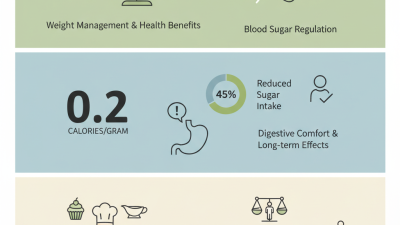
Research shows that erythritol is about 70% as sweet as sugar, yet contains only 0.24 calories per gram. For many bakers, this offers a unique opportunity. Recipes can remain flavorful without compromising dietary goals. However, it’s important to note that some people may experience digestive discomfort with excessive consumption. A recent study indicated that while erythritol is largely safe, moderation is key.
Incorporating erythritol in baking is more than just a trend; it's a way to create healthier treats. Yet, achieving the right texture and sweetness may require some experimentation. This ongoing discovery process can be both rewarding and a challenge. Understanding how to best use erythritol allows for delicious outcomes while aligning with keto principles.
Understanding Erythritol: Composition and Benefits for Keto Baking
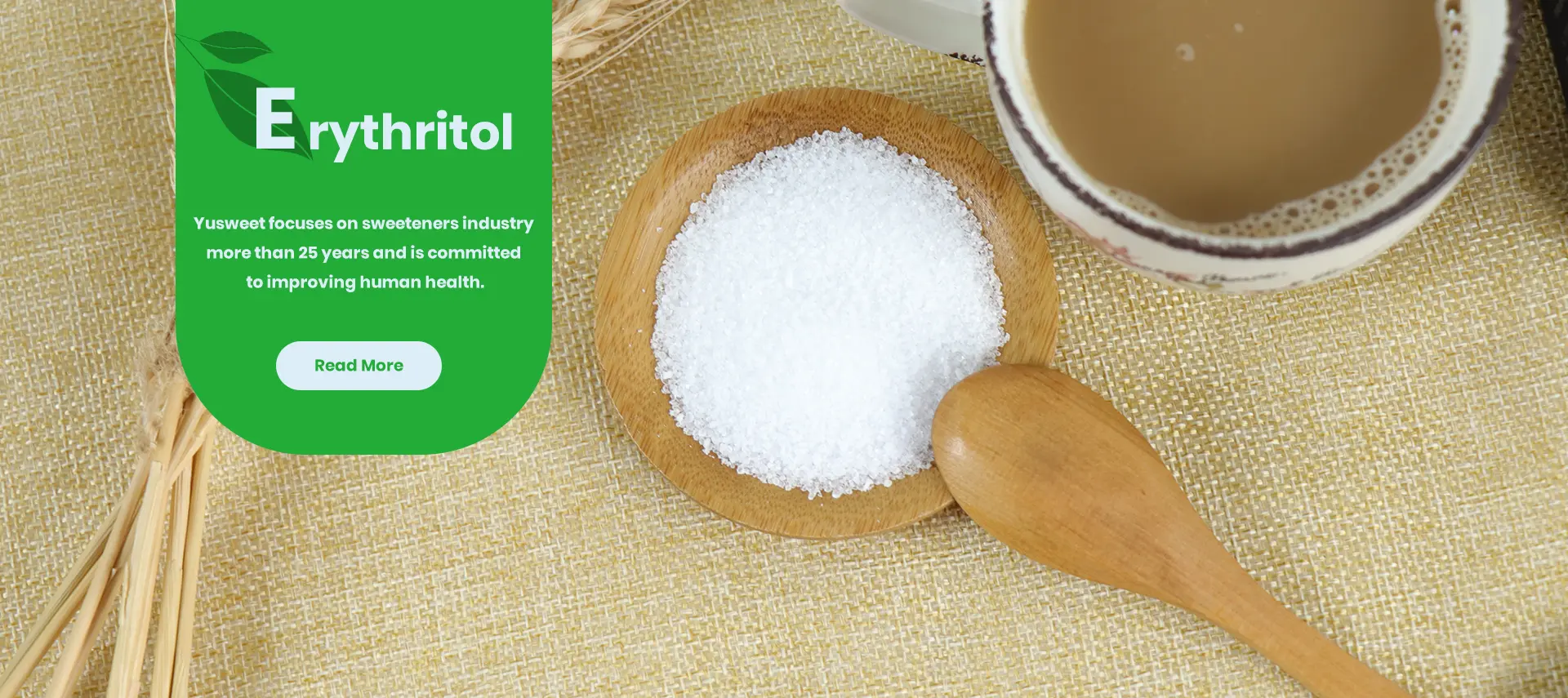
Erythritol is a popular sugar substitute among those following a keto lifestyle. Its composition is mainly natural, deriving from fermented corn or wheat starch. This sugar alcohol has about 70% of the sweetness of regular sugar but only 0.24 calories per gram. Research indicates that erythritol does not spike blood sugar, making it an ideal choice for ketogenic baking.
One significant advantage of erythritol is its impact on gut health. Unlike other sugar alcohols, it is mostly absorbed in the small intestine, minimizing digestive discomfort. A study published by the American Journal of Clinical Nutrition shows that erythritol is non-cariogenic, meaning it does not contribute to tooth decay. This data emphasizes its role in maintaining oral health while enjoying sweet treats.
However, users need to be mindful of erythritol’s aftertaste. Some describe it as having a cooling sensation, which may not suit all palates. Moreover, while it’s friendly for keto dieters, using it excessively can lead to gastrointestinal issues in some individuals. Understanding these intricacies can elevate your baking experience, blending health benefits with taste.
Comparing Erythritol to Other Sweeteners in Keto Recipes
When comparing erythritol to other sweeteners in keto recipes, it’s essential to understand its unique properties. Erythritol is a sugar alcohol that provides sweetness without calories. Unlike some substitutes, it does not raise blood sugar levels, making it a favorite among keto bakers. Its taste is often described as clean and pleasant, but it can have a cooling effect, which might not work for every recipe.
Stevia and monk fruit are other popular keto sweeteners. While they offer sweetness without calories, their flavors can vary significantly. Some people find stevia's aftertaste off-putting. Monk fruit is often considered more flavorful, but it can be more expensive. Erythritol often shines in baking, as it can mimic the texture of sugar better than these alternatives. However, it might not caramelize like traditional sugar, leading to some unexpected results in certain recipes.
Using erythritol requires some experimentation. Too much can lead to gastrointestinal discomfort for some individuals. It also doesn't provide the same browning effect that sugar does in baked goods. Therefore, it is vital to adjust recipes accordingly. While it performs well in many situations, it may not be the perfect solution for all baking needs.
Measuring and Substituting Erythritol in Traditional Baking
Measuring erythritol for baking requires careful attention to ratios. Unlike sugar, erythritol is less sweet, so a direct one-to-one substitution often falls short. Many bakers use a ratio of about 1.5:1 or 2:1 erythritol to sugar. This means if a recipe calls for one cup of sugar, you might need to use one and a half to two cups of erythritol to achieve the desired sweetness.
However, precision is key. The Food Chemistry Journal indicates that erythritol has a sweetness level of around 60-80% that of sugar. This variation can affect recipes differently. Some find that using too much erythritol results in a cooling effect or even an unusual texture in baked goods. This is crucial for achieving the ideal mouthfeel while keeping carbs low.
To ensure the best results, weighing erythritol is often recommended over measuring by volume. Many professional bakers prefer grams for accuracy. A standard conversion indicates that one cup of erythritol weighs around 120 grams. Such attention to detail can help maintain the integrity of traditional recipes and yield a satisfying final product without straying from keto principles. Experimentation remains vital. Adjusting ingredients can unveil new textures and flavors you might not expect.
Using Erythritol in Baking
This chart illustrates the sweetness levels of various sweeteners compared to sugar. Erythritol offers a lower sweetness level relative to sugar, making it a popular keto-friendly option. When using erythritol in baking, it is important to adjust the quantity to achieve desired sweetness.
Tips for Achieving the Best Texture and Flavor with Erythritol
When baking with erythritol, achieving the right texture and flavor can be challenging. It's crucial to understand the unique properties of this sugar substitute. Erythritol can have a cooling effect, which may alter the taste in certain recipes.
Incorporating erythritol effectively requires careful adjustments. One tip is to combine it with a small amount of another sweetener. This can enhance the overall sweetness without the cooling sensation. For best results, consider using a mixture of erythritol and stevia or monk fruit. This blend can create a more balanced flavor profile.
Another important aspect is the texture of your baked goods. Erythritol may not caramelize like sugar, leading to a different consistency. To improve this, try adding extra fat, such as butter or coconut oil. These ingredients can contribute to a richer texture and moisture. Experimenting with your ratios can yield delicious results, but be aware that it may take several tries to get it just right.
Common Baking Recipes Utilizing Erythritol as a Sweetener
Erythritol serves as an excellent keto-friendly sweetener for various baking recipes. It mimics sugar's sweetness without the carbs. You can use erythritol in cookies, cakes, or even muffins. These treats maintain great texture and flavor while keeping ketosis intact.
When baking with erythritol, remember that it has a cooling effect. This is a unique characteristic you may need to adjust for in recipes. For example, when making chocolate chip cookies, try combining erythritol with almond flour for better results. The lower moisture in almond flour complements erythritol well.
Tips: Start with a half-cup of erythritol in your favorite recipes. Gradually adjust to suit your taste. Keep in mind that erythritol doesn’t caramelize like sugar. This means your baked goods may not have that golden brown color. This could be something to experiment with.
Snickerdoodle cookies are another favorite. Use erythritol in place of sugar and add a dash of cinnamon for flavor. Baking can be a trial-and-error process. Pay attention to how these changes affect both taste and texture. Enjoy the journey of creating delicious low-carb treats!