10 Tips for Using Powdered Sugar Monk Fruit in Baking?
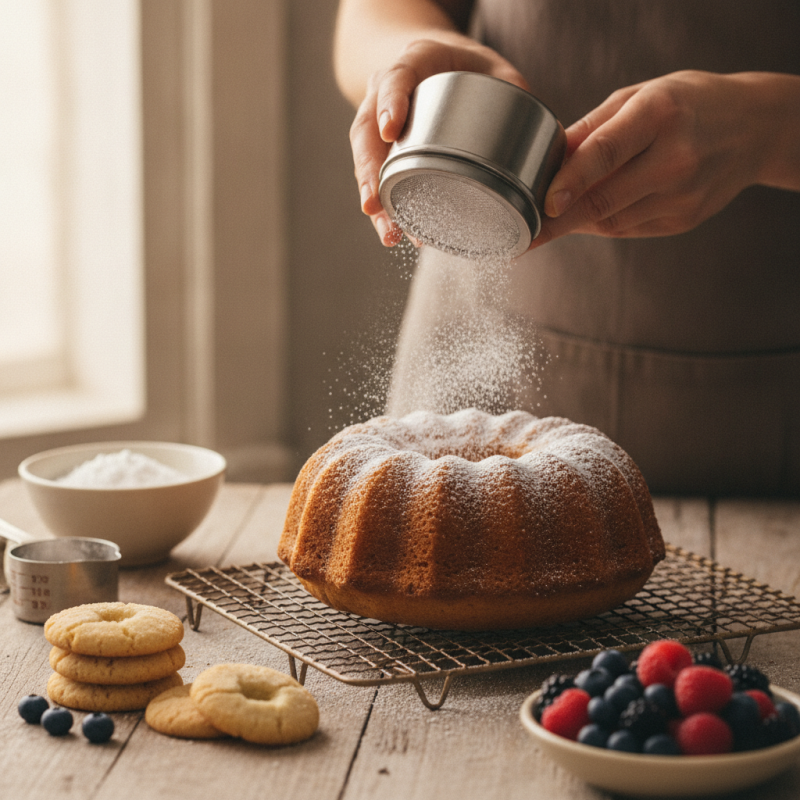
When it comes to baking, sugar plays a crucial role. Many bakers are turning to alternative sweeteners for various reasons. One popular choice is Powdered Sugar Monk Fruit. This natural sweetener offers a low-calorie option without compromising on taste. Its fine texture makes it perfect for frosting and dusting on baked goods.
Using Powdered Sugar Monk Fruit in baking has its unique challenges. It integrates well in certain recipes, yet may require adjustments in others. For instance, its sweetness level is different from traditional powdered sugar. Understanding these differences is essential for successful results. Some find it doesn't dissolve as easily, leading to a grainy texture in delicate desserts.
Bakers should approach Powdered Sugar Monk Fruit with an experimental mindset. Each recipe may respond differently, and slight tweaks could be necessary. It’s essential to pay attention to how it interacts with other ingredients. The journey of mastering this sweetener can be rewarding, enhancing your baking repertoire while promoting healthier choices.
Understanding Powdered Sugar Monk Fruit and Its Benefits
Monk fruit has gained attention as a natural sweetener. Powdered sugar monk fruit is particularly appealing for baking. It provides sweetness without calories or a high glycemic index. This makes it suitable for those on low-sugar diets.
A report from the International Journal of Food Sciences highlights that monk fruit can reduce blood sugar levels. It contains antioxidants, which add health benefits. For those managing diabetes or looking to cut sugar, this ingredient is a game changer. Substituting monk fruit for traditional powdered sugar can help maintain flavor while promoting better health.
However, baking with powdered sugar monk fruit requires some adjustments. Its texture is different from regular powdered sugar. You may need to modify your recipes to achieve the desired result. Some bakers find that monk fruit's sweetness can overpower other flavors. It’s important to experiment and find the right balance. The learning curve can be steep, but the health benefits are worth the effort.
10 Tips for Using Powdered Sugar Monk Fruit in Baking
| Tip Number |
Tip |
Reason |
| 1 |
Use it in equal measure to sugar |
Monk fruit is a great one-to-one sugar replacement. |
| 2 |
Combine with other sweeteners |
Enhances taste and balances sweetness profiles. |
| 3 |
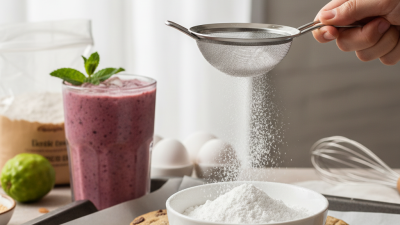
Sift before use |
Prevents clumping and ensures smooth texture. |
| 4 |
Adjust liquid ingredients |
Helps maintain consistency in batter or dough. |
| 5 |
Use in frostings and glazes |
Creates a smooth finish without gritty texture. |
| 6 |
Store in a cool, dry place |
Prevents moisture absorption and clumping. |
| 7 |
Experiment in recipes |
Find the perfect balance for your baked goods. |
| 8 |
Monitor baking time |
Sugar replacements can alter baking behavior. |
| 9 |
Include acid for balance |
Counteracts the sweetness for a balanced flavor. |
| 10 |
Taste test your mixtures |
Ensure sweetness levels meet your preference. |
Choosing the Right Recipes for Powdered Sugar Monk Fruit Substitution
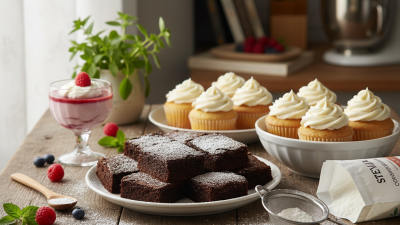
When selecting recipes for powdered sugar monk fruit substitution, consider dessert types with a sugar-centric profile. Dense cookies and brownies work well, as they benefit from the sweetness without losing texture. According to a report by the American Journal of Clinical Nutrition, 30% of Americans are reducing sugar intake, which adds to monk fruit's appeal.
Look for recipes that marry well with the subtle flavors of monk fruit. Cakes and frostings can sometimes mask the unique taste. Delicious cream cheese frostings can be adapted, creating a low-calorie option. However, not all recipes convert seamlessly. Baking is scientific, and monk fruit may require adjustments in settings.
Experimentation is crucial. You might find that some recipes become unexpectedly moist or dense. Monk fruit often has a different binding capacity than traditional sugars. Monitoring the baking process is essential; timing may vary. Adjustments can lead to delightful outcomes or frustrating failures. Embrace both.
Adjusting Baking Techniques for Optimal Results with Monk Fruit
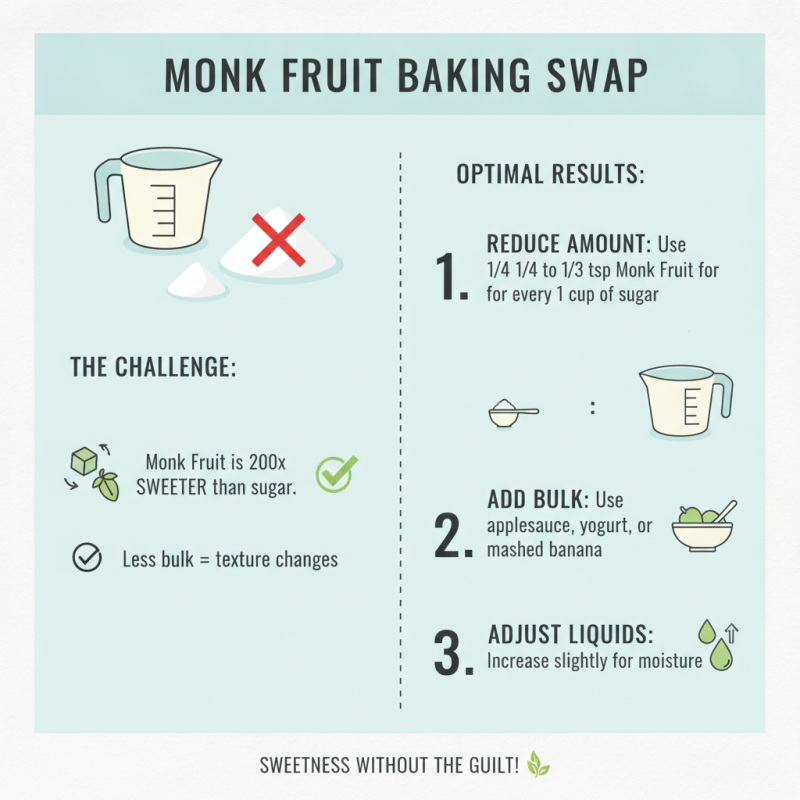
When using powdered sugar monk fruit in baking, adjusting techniques is crucial. Monk fruit sweeteners are up to 200 times sweeter than sugar. This means that using less can greatly affect your recipe. For example, if a recipe calls for one cup of sugar, you only need a small fraction of monk fruit. This ratio adjustment can lead to a less sweet product if not measured properly.
Baking with monk fruit also requires some modifications in moisture content. Traditional recipes often rely on the liquid sweetness from sugar. Many bakers find that adding a bit more liquid helps maintain the right texture. According to a recent study by the International Journal of Food Science, using monk fruit may result in drier products due to its absorbent nature. Adding an extra egg or a tablespoon of yogurt can enhance softness.
Perhaps the biggest challenge lies in the aftertaste some consumers report. Achieving a balanced flavor can be tricky. Testing various mixes of monk fruit and other sweeteners can yield better taste results. Monitoring the browning of baked goods is important too. Monk fruit can brown unexpectedly, affecting the visual appeal. Adjusting baking times and temperatures based on these nuances is essential for perfecting your recipes.
Monitoring Sweetness Levels When Using Powdered Sugar Monk Fruit
When baking with powdered sugar monk fruit, managing sweetness levels is crucial. This sweetener is much sweeter than regular sugar, so it's easy to overdo it. Start by using a smaller amount than you would typically use. For example, if a recipe calls for one cup of sugar, try adding only two-thirds cup of monk fruit powder. Taste your batter as you go to ensure the sweetness is just right.
Adjustments may be needed based on the specific recipe. Some desserts, like cookies, may require additional moisture when using monk fruit. Keep this in mind while mixing. If your dough seems dry, adding a bit of liquid can help. It’s about finding that balance. Don't shy away from experimenting. Every baker has a unique palate. You might enjoy a sweeter or less sweet result. It's all part of the process.
Remember that monk fruit might alter texture as well. It can create a different finish in baked goods compared to traditional sugars. This reflects the learning curve for using new ingredients. Take notes on what works and what doesn’t. This will improve your baking skills over time. Happy baking!
Monitoring Sweetness Levels When Using Powdered Sugar Monk Fruit
Storing and Handling Powdered Sugar Monk Fruit for Longevity
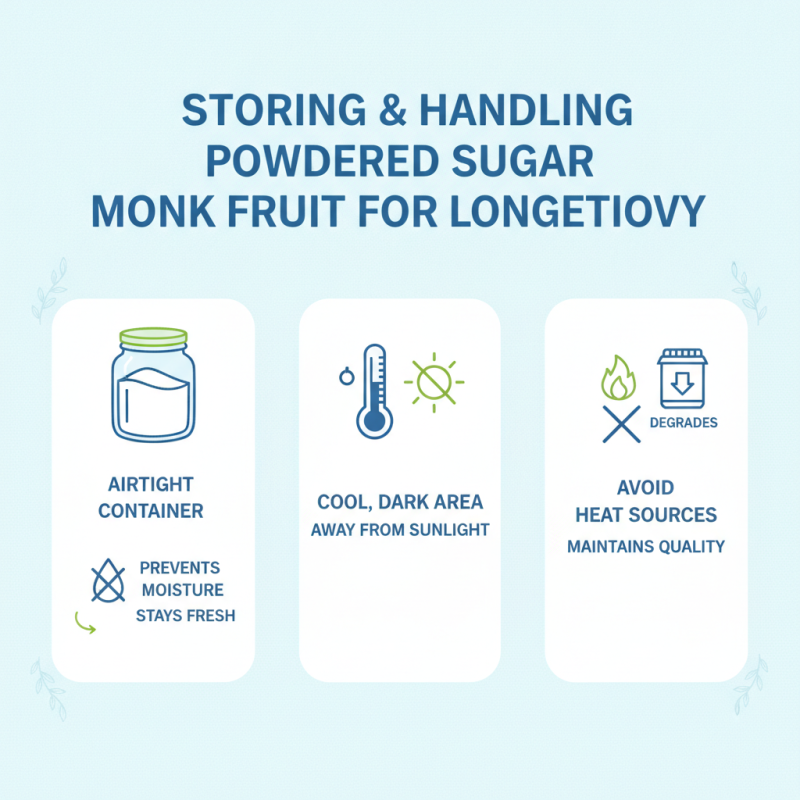
When storing powdered sugar monk fruit, an airtight container is essential. This prevents moisture and keeps it fresh. Place the container in a cool, dark area, away from direct sunlight. Avoid storing it near heat sources, as heat can degrade its quality.
Handling powdered sugar monk fruit is crucial for longevity. Always use clean, dry utensils when scooping. This helps avoid contamination. If clumping occurs, a gentle shake can help break it up. Consider what recipes you will use it in. If you often bake, small batches can help maintain freshness.
Monitor the storage conditions periodically. Adjustments may be needed if the environment becomes humid or warm. Regularly check for any signs of spoilage or changes in texture. Learning to store this product properly ensures you get the most out of your investment.