How to Use Powdered Stevia for Baking Effectively?
Using powdered stevia for baking is gaining popularity among health-conscious individuals. This natural sweetener offers a unique flavor and low-calorie option for many recipes. However, transitioning from sugar to powdered stevia can be tricky.
Understanding the right measurements is crucial to achieving desired results. For instance, stevia is significantly sweeter than sugar, so a little goes a long way. When using powdered stevia for baking, it's essential to experiment with ratios. Start with smaller amounts and adjust according to taste. This trial-and-error approach, while imperfect, can lead to more satisfying baked goods.
Moreover, powdered stevia can affect texture and moisture content. It does not caramelize like sugar, which results in different baking outcomes. You may need to add additional ingredients, like applesauce or yogurt, to maintain the desired consistency. Embracing these challenges is part of the learning process. Ultimately, with practice and patience, you can master using powdered stevia for baking.
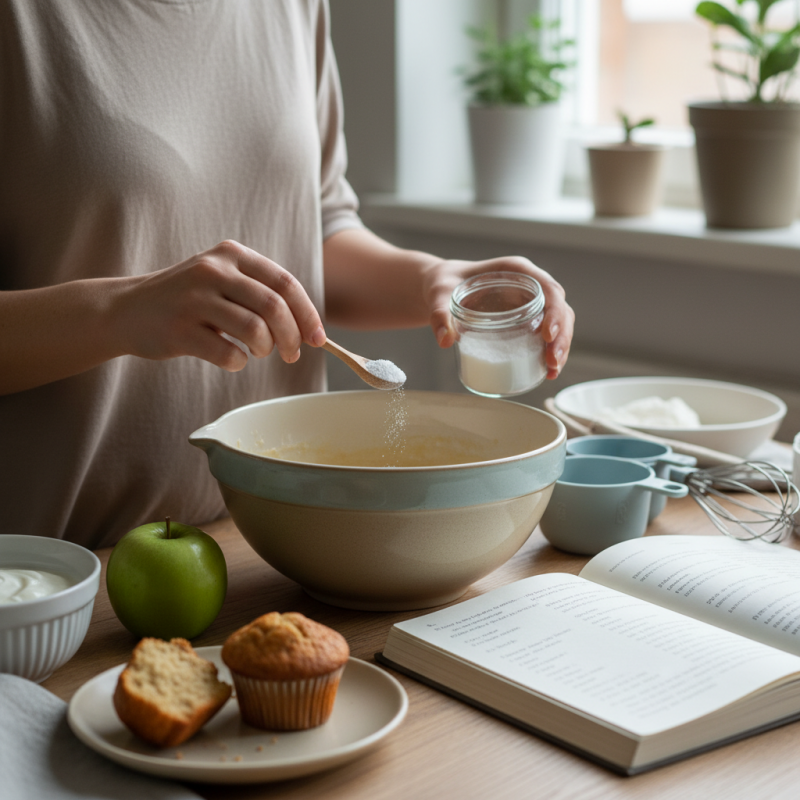
Understanding Powdered Stevia: What You Need to Know
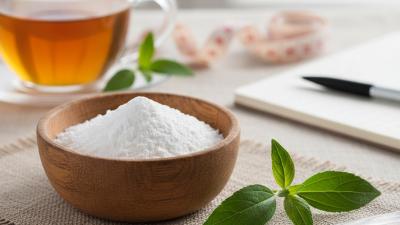
Powdered stevia is gaining attention in the baking community. It offers a zero-calorie alternative to sugar, appealing to health-conscious consumers. According to the American Diabetes Association, the use of stevia can support better blood sugar management. This is particularly relevant as more individuals look for options to reduce sugar intake.
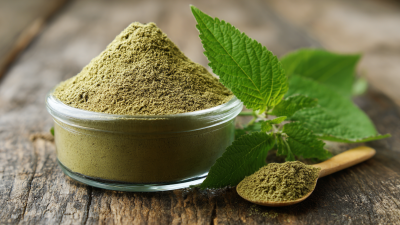
Stevia is derived from the leaves of the Stevia rebaudiana plant. During processing, the plant's sweet compounds are isolated and powdered. This form is much sweeter than sugar, often requiring only a fraction of the amount. Research shows that using stevia in baking can reduce sugar by up to 70%. However, it’s worth noting that stevia can alter texture and moisture. It can absorb more liquid, which may lead to drier baked goods if not compensated for. Experimentation is essential to achieve the desired results.
Moreover, it is important to understand the potential aftertaste associated with stevia. Some find it noticeable, while others do not. This variability can impact the enjoyment of baked goods. Methods like blending stevia with other sweeteners can help mitigate this issue. Remember, baking with powdered stevia involves learning and adjusting your recipes to find the perfect balance.
Measuring Powdered Stevia: Converting from Sugar Ratios
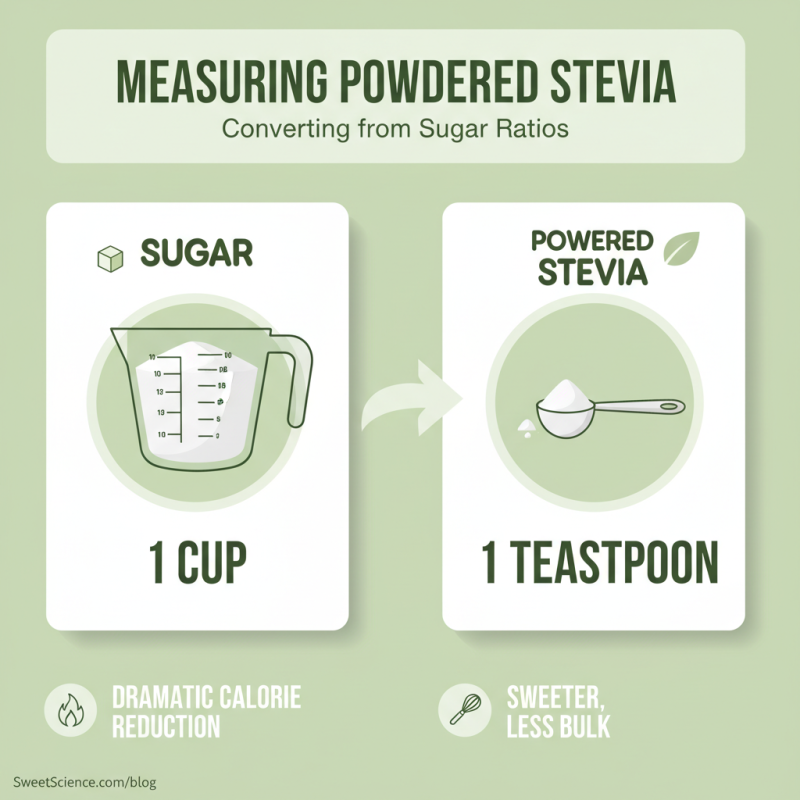
When it comes to baking, measuring powdered stevia accurately is crucial for achieving the right taste and texture. Unlike sugar, stevia is much sweeter. Generally, one teaspoon of powdered stevia is equivalent to one cup of sugar. This stark difference often throws off recipes. It's essential to remember that while stevia doesn’t add the same bulk, it dramatically reduces calories.
Adjusting your recipes requires some trial and error. Use a small batch when experimenting. Begin by substituting half the suggested sugar with stevia. Taste the batter, adjusting slowly. Keep notes on what works and what doesn’t. This approach fosters a deeper understanding of how stevia interacts with other ingredients.
Understanding that powdered stevia can sometimes have a bitter aftertaste is vital. Some may find this challenging. Balancing flavors can involve adding more spices or vanilla to mask any bitterness. This kind of reflection is important. Bakeries don’t always achieve perfection, and neither will home bakers. Embrace the process, accept mistakes, and enjoy the journey of creating healthier baked goods.
Incorporating Powdered Stevia into Your Baking Recipes
When incorporating
powdered stevia
into baking recipes, it's essential to adjust your measurements. Stevia is significantly sweeter than sugar, so using less will yield great results. Typically, one teaspoon of powdered stevia is equivalent to one cup of sugar. This conversion can vary, so
experimentation is key
to achieving the desired sweetness.
Tips: When replacing sugar with stevia, consider adding a
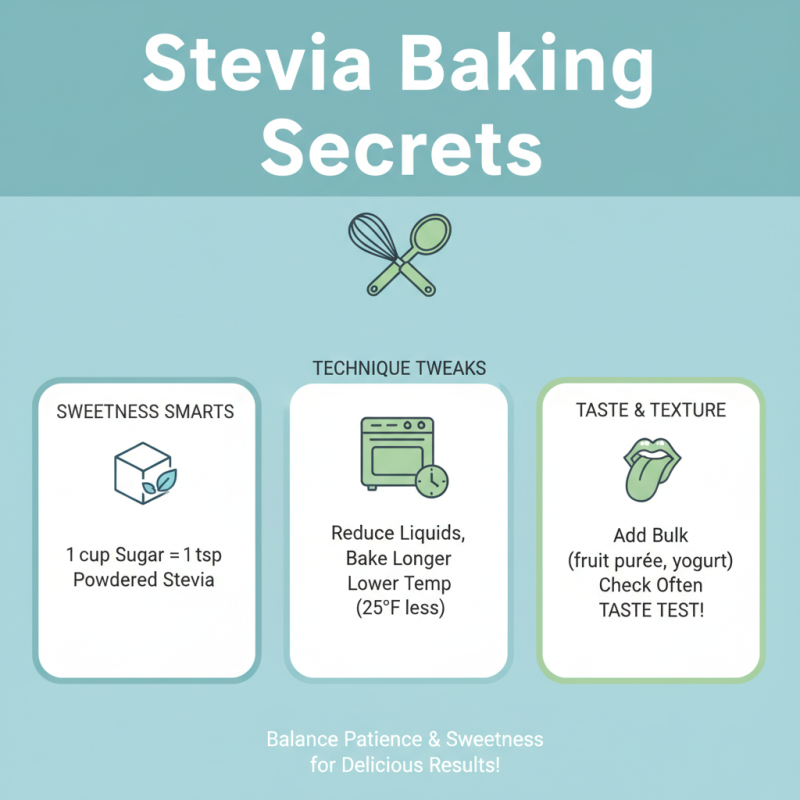
bulking agent. Ingredients like applesauce, yogurt, or banana can provide texture. Also, keep an eye on the liquid content in your recipe. Stevia can introduce a different moisture balance, which may affect baking time. A little
trial and error
can lead to success.
Make sure to mix stevia well with dry ingredients. This helps distribute sweetness evenly throughout your batter or dough. Some bakers find that stevia can leave a slight
aftertaste. If that happens, mixing in a dash of vanilla or almond extract can mitigate it. Remember, every oven is different. Adjusting baking times may be necessary to avoid over or under-baked goods.
Adjusting Baking Times and Techniques with Stevia
Using powdered stevia in baking can be a rewarding experience. However, it does require some adjustments to your usual techniques. One important aspect is understanding how stevia interacts with other ingredients. It's much sweeter than sugar, so you will need less of it. A common ratio is to use one teaspoon of stevia for every cup of sugar replaced. This is a good starting point, but taste testing is essential. Aiming for the right balance may take time.
Baking times can also vary when using stevia. Recipes that contain sugar often rely on its bulk for texture and moisture. When substituting stevia, the absence of sugar can lead to denser baked goods. You might need to add extra liquid or a little fat to get the desired consistency. Monitoring your bake closely becomes crucial. Check on your items a few minutes earlier than the recipe states. This can prevent over-baking, which is more likely to occur with stevia.
Experimentation is key in baking with stevia. Your first attempt may not turn out perfect. Don't be discouraged if the texture or flavor isn't right. Each recipe can behave differently with stevia. Keeping a journal of adjustments will help refine your process. Over time, you’ll become more comfortable with these adaptations, leading to deliciously sweet and healthier treats.
Common Baking Mistakes When Using Powdered Stevia
When using powdered stevia for baking, many make common mistakes. One prevalent issue is miscalculating the amount of stevia needed. Stevia is much sweeter than sugar, so you need less. Overuse can lead to an overpowering taste. It's important to follow conversion ratios closely. If you're unsure, refer to reliable baking resources.
Another mistake involves the texture of the final product. Using stevia can result in a denser texture in baked goods. This occurs because sugar plays a role in aeration.
To counteract this, add ingredients that provide moisture and structure. For example, incorporating applesauce or yogurt can help maintain a light texture. Experimentation is key, so don’t be discouraged by initial results.
Lastly, not considering the flavor profile can lead to disappointing outcomes. Stevia has its own unique taste, which may not pair well with certain ingredients.
Be mindful of how your flavors blend together. Balancing stevia with other sweeteners might be necessary for a pleasing flavor. A little reflection on these nuances will enhance your baking experience.