China Best Erythritol Food Additives for Global Buyers
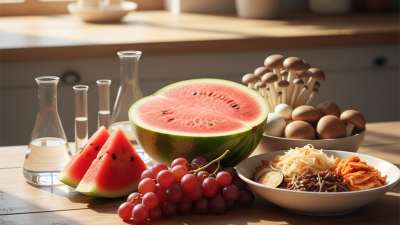
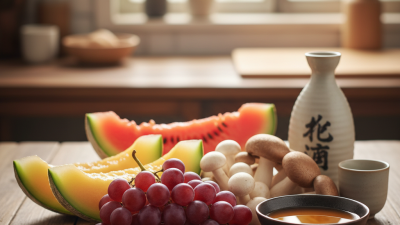
In recent years, the demand for Food Additives Erythritol has surged globally. This sugar alcohol offers a low-calorie alternative to traditional sweeteners. Many consumers now seek healthier choices in their diets. Erythritol is naturally found in some fruits, making it appealing to health-conscious buyers.
China stands out as a leading supplier of high-quality erythritol. Many manufacturers focus on sustainable production practices. They ensure the purity and safety of their products. This has garnered trust among global buyers.
While erythritol is widely recognized for its benefits, there are still concerns. Some consumers may experience digestive issues with high consumption. Understanding individual tolerance is crucial. Balancing taste and health remains a challenge. As global buyers seek reliable food additives, erythritol presents unique opportunities and considerations.
Characteristics of Erythritol and Its Benefits in Food Manufacturing
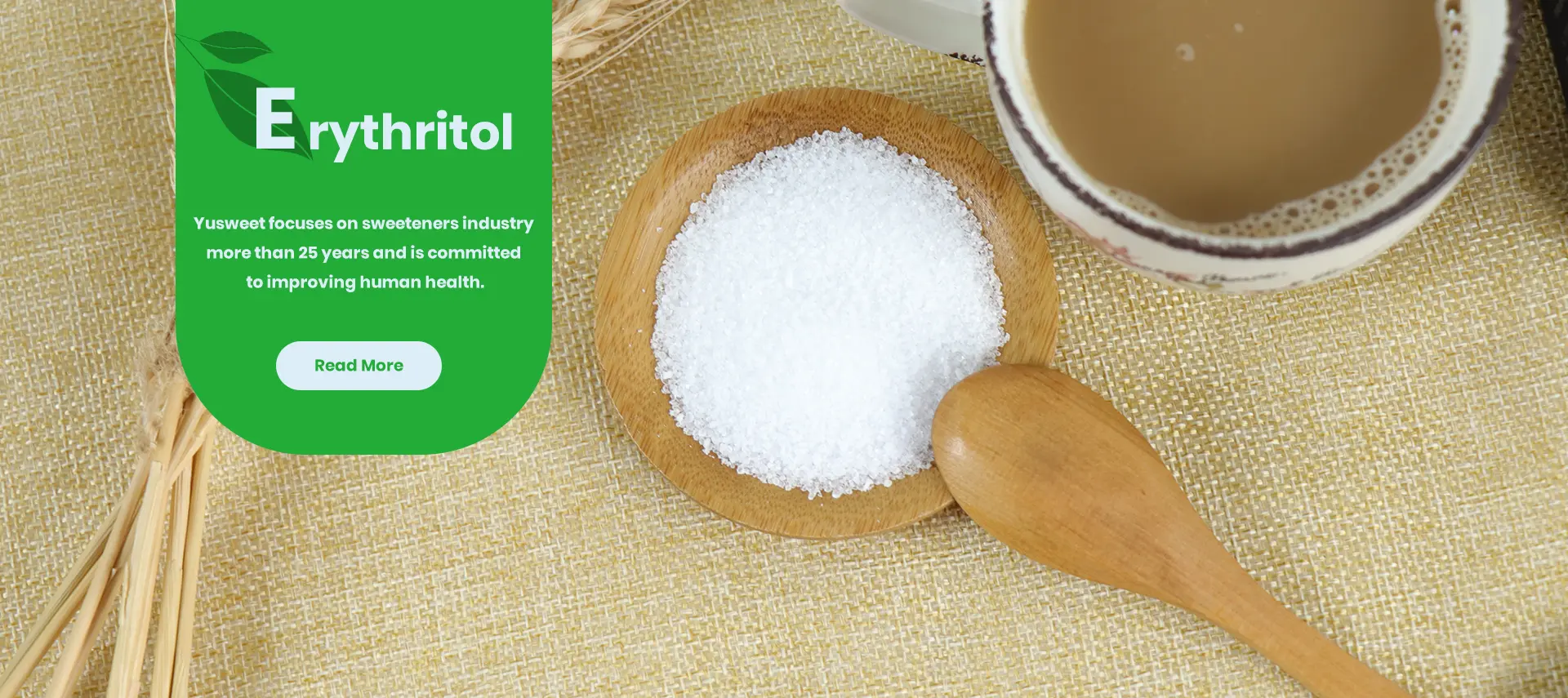
Erythritol has gained popularity as a food additive due to its unique characteristics. This sugar alcohol blends well with various recipes, offering sweetness without the calories associated with sugar. It is about 70% as sweet as table sugar but contains almost no calories. This makes it an attractive option for manufacturers aiming to create healthier products. Erythritol also does not spike blood sugar levels, making it suitable for diabetic-friendly options.
Tips: When using erythritol, it’s essential to consider its cooling effect. In some recipes, this can be noticeable, especially in baked goods. Adjust sweetness levels based on your audience’s preferences to achieve the perfect balance.
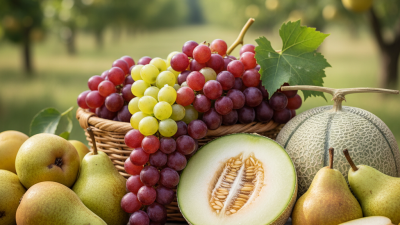
Another advantage of erythritol is its natural occurrence. It is found in fruits and fermented foods. This gives it a sense of authenticity that resonates with health-conscious consumers. However, some individuals may experience digestive discomfort. It’s crucial to monitor how much you use, especially in large quantities.
Tips: Experiment with combining erythritol with other sweeteners to minimize any potential gastrointestinal issues, ensuring your final product remains enjoyable. Always keep testing and refining your recipes for optimal results.
China Best Erythritol Food Additives for Global Buyers - Characteristics of Erythritol and Its Benefits in Food Manufacturing
| Characteristic |
Description |
Benefit in Food Manufacturing |
| Caloric Content |
Almost zero calories |
Ideal for low-calorie and sugar-free products |
| Taste Profile |
Sweet taste similar to sugar without an aftertaste |
Improves overall taste without compromising health |
| Solubility |
Highly soluble in water |
Enhances product formulations in beverages and sauces |
| Digestibility |
Not metabolized by the body; does not affect blood sugar |
Suitable for diabetic and ketogenic diets |
| Moisture Retention |
Helps retain moisture in food products |
Improves shelf life and texture of baked goods |
| Safety and Tolerance |
Generally recognized as safe (GRAS) |
Widely acceptable for food manufacturing |
Key Production Techniques Used in China for Erythritol
China has become a leading producer of erythritol, a popular low-calorie sweetener. The production techniques used in China are noteworthy. They rely on fermentation processes that convert glucose into erythritol using specific yeasts. This biological method not only reduces energy consumption but also lowers carbon emissions.
Quality control plays a critical role in the production of erythritol in China. Manufacturers often face challenges in maintaining consistency and purity. It is essential for producers to implement strict quality assurance measures. Regular testing and adherence to food safety standards are crucial.
Moreover, innovation in fermentation technology is ongoing. Companies are exploring new microbial strains. This could enhance yield efficiency and reduce production time. While progress is promising, the industry still grapples with supply chain issues. Addressing these obstacles is key for meeting global demand effectively.
Production Techniques of Erythritol in China
Comparison of Chinese Erythritol with Global Competitors
Erythritol has gained popularity as a sugar substitute. Its low-calorie content makes it attractive for health-conscious consumers. Chinese manufacturers have made significant strides in producing high-quality erythritol, positioning themselves competitively on the global scale.
In comparison to global competitors, Chinese erythritol often presents a cost advantage. The production process utilizes advanced technology, leading to high purity levels. However, some buyers express concerns about the consistency in quality and sourcing. This can impact their decision-making process, highlighting an area for potential improvement.
Moreover, differences in taste profiles may arise. While Chinese erythritol aims to match global standards, subtle flavor variations exist. Marketers and manufacturers must address these nuances to cater to diverse consumer preferences. As the market evolves, ongoing refinement and responsiveness to buyer feedback will be crucial.
Regulatory Standards and Safety of Erythritol in Food Products
Erythritol is gaining popularity as a low-calorie sugar substitute in food products. Its appeal lies in its ability to provide sweetness without the extra calories. However, understanding its regulatory standards is essential for anyone in the food industry.
In many countries, erythritol is considered safe for consumption. Organizations like the FDA and EFSA have recognized it as Generally Recognized As Safe (GRAS). This assessment ensures that products containing erythritol meet safety guidelines. Yet, not all consumers are aware of potential side effects, such as digestive discomfort. This calls for better communication, especially for those with sensitive stomachs.
Manufacturers must stay updated with changing regulations. Different regions have varying limits on erythritol content in food items. They should prioritize transparency in ingredient sourcing and breakdowns. Consumer awareness is growing, yet misconceptions linger. Education on safe consumption levels can lead to better acceptance and usage of erythritol in the global market.
Market Trends and Demand for Erythritol among Global Buyers
The global demand for erythritol is witnessing significant growth. According to a recent market report, the erythritol market is expected to reach approximately USD 1.3 billion by 2027, growing at a CAGR of around 6.5%. This increase is driven by the rising popularity of low-calorie sweeteners among health-conscious consumers. Erythritol offers a sugar-like taste without the calories, making it an attractive option for those managing their sugar intake.
Moreover, the food and beverage industry is a major contributor to this demand. Products like low-calorie snacks, beverages, and desserts are increasingly incorporating erythritol as a key ingredient. A survey highlighted that about 40% of consumers prefer products with natural sweeteners like erythritol. This preference aligns with the growing trend towards healthier eating habits.
Despite these positive trends, some challenges remain. The cost of erythritol production can be high compared to traditional sweeteners. Additionally, there are concerns regarding potential digestive issues for some users. Understanding these factors is crucial for global buyers looking to invest in erythritol as a food additive. The market remains competitive, with ongoing research focused on improving production efficiency.