Top Benefits of Erythritol as a Food Additive for Buyers?
Erythritol is gaining popularity as a food additive. As more consumers seek healthier options, Food Additives Erythritol stands out for its unique benefits. This sugar alcohol is low in calories and has a minimal effect on blood sugar levels. It offers a sweet taste without the guilt associated with traditional sugars.
In recent years, extensive studies have examined erythritol's safety and efficacy. Many experts agree that it poses no significant health risks. It is suitable for diabetic individuals and those on low-calorie diets. However, some may experience digestive discomfort if consumed in large amounts.
Erythritol also enhances food texture and prolongs shelf life. Its ability to retain moisture makes it an ideal ingredient in various products. This means that manufacturers can offer appealing options for consumers looking for healthier alternatives. While erythritol is not without its challenges, its advantages make it a valuable choice in modern food production.
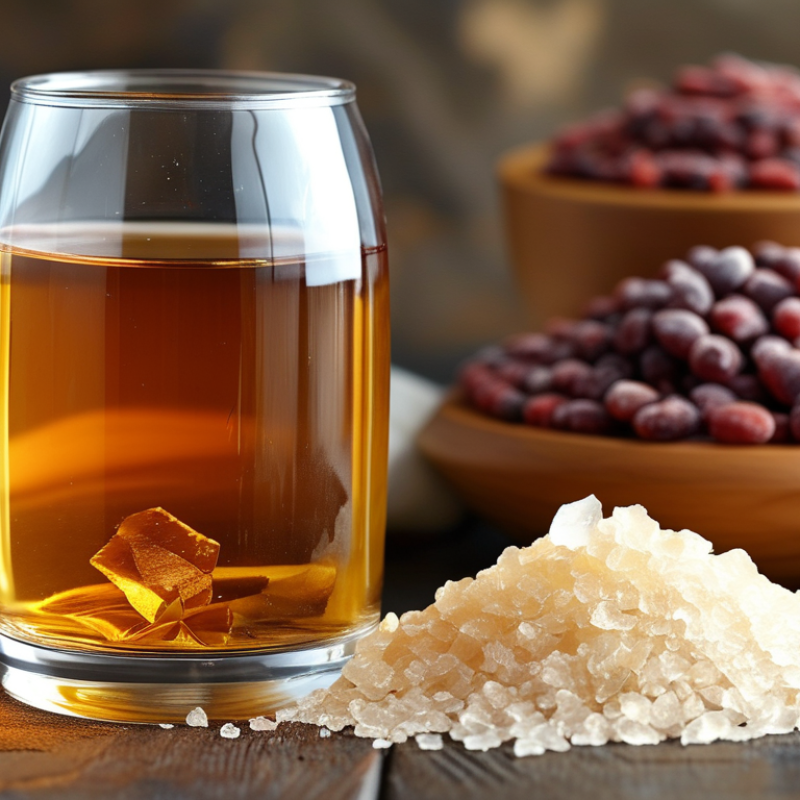
Overview of Erythritol: A Popular Food Additive
Erythritol is gaining popularity as a food additive due to its unique properties and benefits. This sugar alcohol is naturally found in some fruits and fermented foods. As a low-calorie sweetener, erythritol contains about 0.2 calories per gram, making it an attractive option for those managing calorie intake. It provides sweetness similar to sugar but with a fraction of the calories.
One notable quality of erythritol is its ability to mimic sugar’s taste and texture without spiking blood sugar levels. This feature is particularly appealing for individuals with diabetes or those following a low-carb diet. Unlike some other sugar substitutes, erythritol does not contribute to tooth decay, promoting better dental health. As such, it is often included in sugar-free gums and candies.
However, consuming erythritol in large quantities might lead to digestive discomfort for some people. It’s important to approach any food additive with caution. While erythritol offers notable benefits, individual reactions can vary. This underscores the need for consumers to be attentive to their bodies and how they respond to erythritol. Overall, erythritol represents a fascinating option within the ever-evolving landscape of food additives.
Top Benefits of Erythritol as a Food Additive
Health Benefits of Erythritol Compared to Other Sweeteners
Erythritol stands out among sweeteners for several reasons. It has minimal calories, making it an attractive choice for those monitoring their calorie intake. Unlike sugar, erythritol contains about 0.24 calories per gram, which is significantly lower than traditional sweeteners. It also does not raise blood sugar levels, a crucial factor for diabetics. This unique characteristic makes it a safer alternative for individuals with glucose sensitivity.
Moreover, erythritol is known for its tooth-friendly properties. Unlike sugar, it does not contribute to tooth decay. Many dental professionals recommend it as a safe sweetener. However, not everyone may react positively to erythritol. Some consumers report digestive discomfort when consuming it in large amounts. It’s essential for buyers to consider personal tolerance levels when using it in their diets.
Erythritol is generally recognized as safe. It carries a good reputation among health-conscious individuals. Its versatility allows it to be used in various recipes, from baked goods to beverages. Yet, it’s important to note that not all sugar substitutes are created equal. Some may have aftertastes or affect baking results differently. Knowing the characteristics of each sweetener can make a big difference in culinary applications.
Erythritol's Role in Weight Management and Caloric Intake
Erythritol has gained attention for its potential benefits in weight management. This low-calorie sweetener offers a sweet taste without the calories associated with sugar. For many, managing dietary intake is crucial. Erythritol can help satisfy sweet cravings, making it easier to stick to a healthier eating plan.
When it comes to caloric intake, erythritol contains only 0.24 calories per gram. This is significantly lower than sugar, which has about 4 calories per gram. Using erythritol allows individuals to reduce their overall calorie consumption while still enjoying their favorite flavors. However, some people may experience digestive discomfort when consuming larger amounts. This emphasizes the importance of moderation and listening to one's body.
Incorporating erythritol into meals may pave the way for healthier choices. It's often used in recipes for baked goods and beverages. The versatility of this sweetener makes it an appealing option for those looking to manage their weight. Still, it is essential to regularly assess personal responses to erythritol. Understanding how it affects you personally can lead to better health decisions.
Impact of Erythritol on Blood Sugar Levels and Diabetes
Erythritol has gained popularity as a food additive, especially among those managing diabetes. One of its key advantages is its negligible effect on blood sugar levels. Unlike regular sugar, erythritol has a glycemic index of zero. This means it does not spike insulin or glucose levels, making it a safer option for individuals with insulin resistance.
People with diabetes often struggle to find suitable sweeteners. Erythritol offers a sweet taste without the calories of sugar. This low-calorie sweetener is naturally found in some fruits and fermented foods. Its unique properties make it an appealing choice for sugar substitutes. However, while many find it beneficial, some users report digestive discomfort after consuming erythritol in large amounts.
Choosing erythritol encourages mindful eating habits. Individuals should consider their personal response to this sweetener. Not everyone reacts the same way to sugar alternatives. It is essential to monitor blood sugar closely, especially when incorporating new additives into the diet.
Top Benefits of Erythritol as a Food Additive for Buyers
| Benefit |
Description |
Impact on Blood Sugar |
Diabetes Management |
Caloric Value |
| Low-Calorie Sweetness |
Erythritol provides sweetness without significant calories, making it ideal for low-calorie diets. |
Does not raise blood sugar levels significantly. |
Can be safely consumed by diabetics. |
0.2 calories per gram. |
| Tooth-Friendly |
Erythritol does not contribute to tooth decay, making it a dental-friendly sweetener. |
Does not affect blood sugar. |
Safe for use in products for diabetics. |
0.2 calories per gram. |
| Gut Health |
Erythritol has prebiotic properties, promoting beneficial gut bacteria. |
Stable blood sugar levels. |
Supports overall metabolic health. |
0.2 calories per gram. |
| Versatile Usage |
Can be used in a variety of recipes, from baking to beverages. |
No significant sugar spikes. |
Ideal for sugar-free formulations. |
0.2 calories per gram. |
Erythritol's Digestive Tolerance and Side Effects for Consumers
Erythritol, a popular sugar substitute, is known for its low-calorie content. It’s a polyol, providing sweetness without significant sugar-related side effects. However, consumers should consider its digestive tolerance. Some people may experience gastrointestinal issues when consuming large amounts. Bloating, gas, and diarrhea can occur, especially when intake exceeds 50 grams per day.
Tips: Start with small amounts to assess your body’s reaction. Gradually increasing the quantity can help minimize side effects.
Research shows that erythritol is generally well-tolerated compared to other sugar alcohols. Most people can enjoy it without issues. However, each individual is different. Pay attention to how your body responds after consumption. If discomfort occurs, cutting back may be wise.
Tips: Keep a food journal to track symptoms. Identifying triggers can help you find a balance. Always listen to your body’s cues for a better experience.