What is Erythritol Natural Sources for Global Buyers?
Erythritol has gained popularity as a low-calorie sweetener. The global market for erythritol is projected to reach $1.5 billion by 2027, according to industry reports. This increasing demand highlights the need for reliable Erythritol Natural Sources for global buyers.
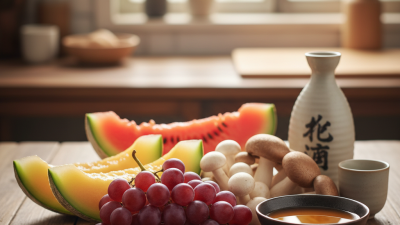
Natural sources of erythritol include fruits like grapes and melons. It can also be found in fermented foods such as soy sauce. These sources present opportunities for brands seeking clean label ingredients. However, the supply chain for natural erythritol can be complex. Not all sources are equally sustainable or viable.
Understanding Erythritol Natural Sources is critical for manufacturers looking to meet consumer demand. As trends shift towards health-conscious choices, sourcing quality erythritol becomes essential. Buyers must navigate this evolving landscape to ensure authenticity and effectiveness in their products.
What is Erythritol and Its Chemical Structure in Natural Sources?
Erythritol is a naturally occurring sugar alcohol. It is found in various sources, including fruits like pears and grapes. This compound has gained popularity due to its low caloric content, providing sweetness without significant calories. A respected study from the Journal of Nutrition highlights that erythritol has 0.24 calories per gram, making it a favorable alternative for those seeking to reduce sugar intake.
The chemical structure of erythritol is C4H10O4. It is a four-carbon polyol. This structure allows it to mimic sugar, but with the significant advantage of being non-cariogenic. This means it does not contribute to tooth decay, a critical factor for health-conscious consumers. Research published in the International Journal of Food Science indicates that erythritol does not affect blood glucose levels, making it suitable for diabetic individuals.
Natural sources vary widely, reflecting the diverse ecosystems where they can thrive. Erythritol can also be produced through fermentation processes using glucose derived from cornstarch. This versatility in sourcing can present challenges. Not all methods are equally sustainable or efficient. Ongoing assessments of production techniques are vital for improving sustainability and ensuring quality. The industry continues to seek improvements in erythritol extraction and production to meet rising global demand.
Key Natural Sources of Erythritol and Their Geographic Distribution
Erythritol is a sugar alcohol that serves as a low-calorie sweetener. Its natural sources are crucial for global buyers aiming for high-quality ingredients. Key sources include fruits like grapes, pears, and melons, which contain small amounts of erythritol. According to industry reports, Japan and Taiwan are leading producers of erythritol from fermentation processes using yeast. This fermentation method has gained popularity due to its efficiency and cost-effectiveness.
Beyond fruits, food processing waste offers another source. For example, the fermentation of agricultural by-products can yield erythritol. The distribution of erythritol sources varies geographically. Research indicates that North America and Europe are experiencing increased production, driven by rising demand for natural sweeteners. However, challenges persist. Seasonal variations can affect fruit availability and thus, erythritol supply.
Not all erythritol is created equal. Variations in production methods lead to differences in purity and taste. Buyers must prioritize reliable suppliers who adhere to high manufacturing standards. As erythritol's popularity surges, understanding these sources and their geographic context becomes vital for informed procurement.
Erythritol Production: Fermentation Process from Plant Materials
Erythritol is a sugar alcohol commonly used as a low-calorie sweetener. The fermentation process for producing erythritol starts with plant materials. These materials can include corn, wheat, and cassava. Microorganisms, particularly yeast, play a crucial role in this process. They convert the sugars found in these plants into erythritol. This method emphasizes sustainability by using renewable resources.
During fermentation, conditions like temperature and pH must be carefully controlled. Any deviation can impact the yield of erythritol. Initial results can vary. If not monitored properly, unwanted by-products might form. This inconsistency can be challenging for producers aiming for high-purity erythritol. Nonetheless, the potential benefits of using plant sources for production are significant. They offer a cleaner and more eco-friendly solution compared to synthetic methods.
Research continues to improve this fermentation process. Experts are experimenting with different strains of yeast and bacteria. The goal is to enhance yield and reduce costs. Refining these techniques also means understanding the complexities of fermentation. It requires a strong foundational knowledge of microbiology and biochemistry. Engaging with these areas can lead to better production methods in the future, despite the challenges involved.
Nutritional Profile: Erythritol’s Caloric Value and Health Benefits
Erythritol, a sugar alcohol, offers a unique nutritional profile. It contains almost no calories, with about 0.24 calories per gram. This is significantly lower than most carbohydrates. According to a report by the Food and Agriculture Organization, erythritol is absorbed but not metabolized by the body. This makes it an appealing option for those managing weight and blood sugar levels.
In various studies, erythritol has shown potential health benefits. It has antioxidant properties, which may reduce oxidative stress. Research indicates that it may also help in dental health by inhibiting oral bacteria. The International Journal of Food Sciences reported that erythritol significantly reduces plaque formation compared to traditional sweeteners.
Erythritol's safety for consumption is widely recognized. The European Food Safety Authority has labeled it as safe. However, individual responses can vary. Some may experience digestive discomfort if consumed in large quantities. This highlights the importance of moderation and personal tolerance.
Market Demand for Erythritol: Trends Among Global Buyers and Manufacturers
The global demand for erythritol is on the rise. This sugar alcohol is gaining popularity among health-conscious consumers. With the increase in obesity rates, people are seeking healthier alternatives for sweetness. Manufacturers are noticing this trend and adjusting their offerings accordingly.
Recent surveys indicate that consumers prefer natural sweeteners. Erythritol, which occurs naturally in some fruits, fits this demand perfectly. Its low-calorie count and minimal impact on blood sugar levels appeal to various market segments. However, the supply chain for erythritol poses challenges. Sourcing quality ingredients can be inconsistent, affecting product availability.
Policy and regulations impact the erythritol market too. Some regions have different standards for food additives. This leads to disparities in product formulations and quality. Companies must navigate these complexities to meet consumer expectations. As the erythritol market grows, collaboration among suppliers, manufacturers, and regulators is crucial for sustainability.