Xylitol Benefits for Dental Health Why Choose It?
Xylitol for dental health is gaining traction in the dental community. According to the American Dental Association, xylitol can reduce cavity-causing bacteria by up to 90%. This natural sugar alcohol may be effective in preventing tooth decay, offering a sweet alternative to traditional sugar.
Research indicates that xylitol's unique properties disrupt the growth of harmful oral bacteria. A study published in the Journal of Dental Research highlighted significant reductions in dental caries among participants who used xylitol products. Additionally, xylitol promotes saliva production, which is crucial for remineralizing teeth and maintaining oral pH levels.
Despite the benefits, some users may experience gastrointestinal discomfort. It's essential to monitor intake levels for optimal results. Overall, xylitol presents a promising option for enhancing dental health, appealing to those seeking a natural solution. Embracing xylitol can contribute to healthier smiles, bridging the gap between effective dental care and everyday habits.
Understanding Xylitol: A Natural Sugar Alcohol for Oral Health
Xylitol is a natural sugar alcohol that has gained attention for its potential benefits in oral health. Unlike regular sugar, xylitol does not lead to tooth decay. When bacteria in the mouth encounter it, they cannot produce acid from xylitol. This means less harmful acid is present, reducing the risk of cavities. Xylitol also increases saliva production, which helps neutralize acids. This saliva boost provides a natural defense against decay.
Using xylitol can seem straightforward, but it is not without its challenges. Some individuals may experience digestive discomfort when they first consume it. It is essential to start with a small amount to gauge your tolerance. Additionally, while xylitol is beneficial, it does not replace regular dental care. Brushing and flossing remain critical practices. Relying solely on xylitol for oral health might give a false sense of security.
Incorporating xylitol into your diet can enhance oral health. Consider using it as a sweetener in beverages or baked goods. Chewing xylitol gum is also a popular choice. However, consulting with a dental professional about its use is wise. They can provide personalized advice and ensure you are meeting your oral health needs effectively.
The Mechanism: How Xylitol Reduces Cavities and Plaque Formation
Xylitol has gained popularity for its dental health benefits, particularly in cavity prevention. This natural sugar alcohol works by disrupting the growth of harmful bacteria in the mouth. When you consume xylitol, it inhibits the ability of bacteria to adhere to tooth surfaces. This leads to reduced plaque formation, which is a key contributor to cavities.
The mechanism behind xylitol's effectiveness is fascinating. It creates an alkaline environment in the mouth, countering harmful acids produced by bacteria. This shift helps to neutralize plaque and promotes remineralization of tooth enamel. Regular use of xylitol can significantly lower the acid levels in mouth, which is essential for maintaining good oral health.
However, it's important to note that xylitol is not a silver bullet. Relying solely on xylitol without regular oral hygiene practices may not yield significant results. Balancing dietary choices and maintaining a routine of brushing and flossing remain crucial. While xylitol offers great benefits, it should complement an overall healthy dental care strategy rather than replace it.
Comparing Xylitol to Traditional Sweeteners for Dental Care
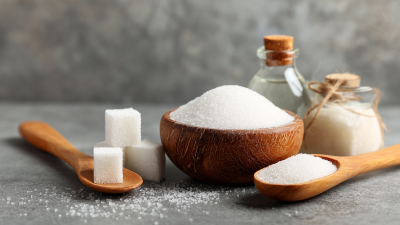
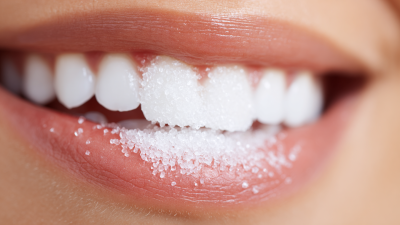
When comparing xylitol to traditional sweeteners for dental care, it’s crucial to look at their distinct properties. Xylitol is a natural sugar alcohol known for its dental health benefits. Unlike regular sugar, it does not contribute to tooth decay. Traditional sweeteners can fuel harmful bacteria in the mouth, promoting cavities. This makes xylitol a preferable choice for those who are conscious of their oral health.
Xylitol can inhibit bacterial growth responsible for dental issues. It alters the environment in the mouth, making it less acidic. Studies suggest that using xylitol regularly can lead to a significant reduction in cavities. This is a compelling reason to consider incorporating xylitol into your diet. It can be found in sugar-free gum or even as a sweetener in baking.
Incorporating xylitol into your daily routine can be simple. Chewing xylitol gum after meals can help kill cavity-causing bacteria. Remember to read product labels; not all sugar-free products contain effective amounts of xylitol. Experimenting with different forms can also help you find the right one for your lifestyle. Ultimately, while xylitol presents numerous dental benefits, it’s essential to maintain a holistic approach to oral hygiene for optimal results.
Xylitol Benefits for Dental Health - Comparing Xylitol to Traditional Sweeteners
| Sweetener |
Dental Health Benefits |
Calories per Serving |
Impact on Blood Sugar |
| Xylitol |
Reduces cavity-causing bacteria, promotes saliva production |
2.4 kcal |
Minimal impact |
| Sugar |
Promotes tooth decay and cavities |
4 kcal |
High impact |
| Aspartame |
No cavity protection |
4 kcal |
Low impact |
| Stevia |
No cavity protection |
0 kcal |
Minimal impact |
| Agave Nectar |
Can promote tooth decay |
60 kcal |
Moderate impact |
Incorporating Xylitol into Your Daily Dental Hygiene Routine
Integrating xylitol into your daily dental hygiene routine can significantly enhance your oral health. Xylitol is a natural sugar alcohol that not only sweetens but also helps combat cavities. This ingredient has been shown to reduce cavity-causing bacteria in your mouth. While many might overlook it, making a conscious choice to use xylitol can lead to healthier teeth and gums.
Start by replacing sugar-laden products with xylitol options. Chewing xylitol gum after meals can be a simple yet effective step. It encourages saliva production, which neutralizes acids and helps remineralize teeth. Additionally, consider using xylitol toothpaste and mouthwash. These products can effectively reduce plaque build-up and keep your mouth fresh.
Many people find the transition to xylitol products challenging. It may take time to adapt to the taste or find the right product. However, the benefits can be rewarding. Make sure to monitor how your mouth feels. Adjusting your dental routine can sometimes lead to unexpected changes. Stay committed, and you'll likely notice improvements in your dental check-ups, possibly reducing the need for invasive treatments.
Potential Risks and Considerations of Using Xylitol for Oral Health
Xylitol is known for its dental health benefits, but it's essential to consider potential risks. One significant concern is gastrointestinal upset. Reports indicate that excessive consumption can lead to diarrhea in some individuals. This occurs because xylitol is a sugar alcohol, and the body may struggle to digest it at high levels.
Another consideration involves allergic reactions. Although rare, some people may experience symptoms ranging from mild digestive discomfort to more serious allergic responses. Research suggests keeping xylitol to moderate intake levels can help mitigate these risks. Monitoring how your body reacts when incorporating it into your diet is crucial.
Maintaining a balanced approach is vital. Regular dental check-ups are necessary to ensure your oral health remains on track. Incorporating xylitol in conjunction with other oral health practices is advisable. Pair it with thorough brushing and flossing daily for optimal results. Always be aware of excessive intake and listen to your body.
Xylitol Benefits for Dental Health
This chart illustrates the various benefits of Xylitol for dental health, highlighting its effectiveness in reducing cavities, decreasing plaque formation, increasing saliva production, and improving gum health.