Choosing Pure Stevia Extract Powder requires more than comparing prices or reading a bright product label. The powder may look similar across suppliers, yet its taste, purity, and consistency can differ significantly. A reliable choice begins with understanding steviol glycosides, especially Rebaudioside A and Rebaudioside M. These compounds influence sweetness, bitterness, and aftertaste.
Look for clear specifications, batch testing, and a complete Certificate of Analysis. Important details include glycoside content, moisture, microbial limits, heavy metals, pesticides, and carrier ingredients. Trusted manufacturers should explain their extraction process and provide traceable production records. Factory experience matters. So does independent laboratory verification.
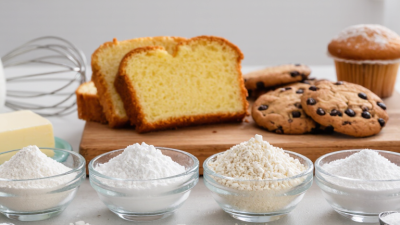
Taste remains practical evidence. A small sample can reveal lingering bitterness or a clean sweetness in coffee, yogurt, or powdered drink mixes. Application matters too. A formula designed for beverages may not perform well in baked products. Check particle size, solubility, packaging protection, and recommended dosage before making a larger purchase.
No product is perfect.
Some suppliers provide impressive documents but limited technical support. Others offer excellent taste with incomplete traceability. That gap deserves careful attention. Regulations and labeling requirements also vary by market, so buyers should confirm local compliance with qualified professionals. This guide explains how to compare Pure Stevia Extract Powder through sourcing, testing, sensory evaluation, and supplier communication. The goal is not to promise the cheapest option. It is to identify a consistent, transparent, and suitable ingredient for real production needs.
How to Choose Pure Stevia Extract Powder?
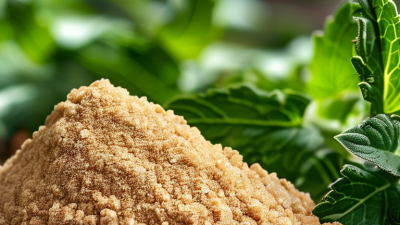
Pure stevia extract powder comes from the leaves of Stevia rebaudiana, a plant native to South America. It is not simply crushed leaves. Manufacturers extract sweet steviol glycosides, such as stevioside and rebaudioside compounds, from the plant material. These compounds create intense sweetness without adding ordinary table sugar.
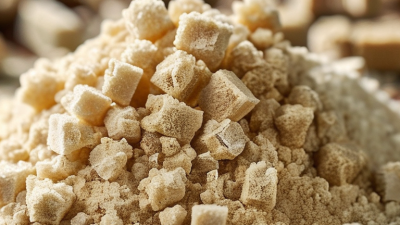
The process usually begins with carefully dried leaves. Water extracts the soluble sweet components under controlled conditions. The liquid is then filtered and purified to remove leaf fibers, pigments, and unwanted plant compounds. Further concentration produces a thicker extract. Spray drying or another drying method turns it into a fine powder. The final texture should look even, with no damp clumps or strange particles.
Purity requires more than a pale color. A reliable supplier should provide batch testing for glycoside content, moisture, heavy metals, pesticides, and microbial quality. Traceability also matters, from leaf cultivation to sealed packaging. Check whether the specification clearly identifies the extract ratio and sweetener composition. The word “pure” can mislead. Some powders contain carriers, bulking agents, or blended sweeteners. I have found that a clean ingredient list helps, but it is not enough by itself. Independent laboratory results offer stronger evidence. Even then, flavor deserves attention, because some extracts leave a noticeable bitter or licorice-like aftertaste.
| Evaluation Dimension | Factual Information | What to Check When Choosing | Why It Matters |
|---|---|---|---|
| Product Definition | Pure stevia extract powder is a concentrated sweetener made from the leaves of Stevia rebaudiana. Its sweetness comes mainly from steviol glycosides. | Confirm that the ingredient declaration identifies stevia extract or steviol glycosides rather than a blend with maltodextrin, sugar, or other carriers. | A single-ingredient product is easier to evaluate for purity, labeling accuracy, and formulation use. |
| Main Active Compounds | Common steviol glycosides include stevioside, rebaudioside A, rebaudioside D, and rebaudioside M. | Review the declared glycoside profile instead of relying only on the word “stevia.” | Different glycoside profiles affect sweetness intensity, taste quality, and aftertaste. |
| Steviol Glycoside Assay | Commercial high-purity stevia extracts are commonly specified by a steviol glycoside assay, often around 95% or higher by weight, depending on the product specification. | Request a current certificate of analysis showing the assay result, test method, batch number, and testing date. | The assay indicates how much of the powder consists of the intended sweetening compounds. |
| Sweetness Intensity | Steviol glycosides are generally about 200–300 times sweeter than sucrose, although the perceived intensity varies by glycoside composition and application. | Use application trials to determine the required dosage rather than converting sweetness solely by weight. | Small changes in dosage can create large differences in sweetness and taste balance. |
| Extraction Raw Material | The starting material is typically dried stevia leaf. Leaf quality can be influenced by variety, maturity, cultivation conditions, drying, and storage. | Check raw-material specifications, traceability, foreign-matter controls, and storage conditions. | Consistent raw material supports stable glycoside content and sensory performance. |
| Typical Manufacturing Process | A typical process includes leaf cleaning, drying or milling, water extraction, solid–liquid separation, purification, concentration, drying, and sieving or blending. | Ask whether the process uses food-grade equipment and whether purification and drying steps are documented. | Process control helps remove plant solids, color compounds, and unwanted flavors while concentrating steviol glycosides. |
| Extraction Medium | Water extraction is widely used for stevia leaves. Additional purification may involve filtration, adsorption, ion exchange, crystallization, or other food-processing techniques. | Request a process description and confirmation that any processing aids meet applicable food-safety requirements. | The extraction and purification approach affects color, flavor, purity, and residual impurities. |
| Rebaudioside A Content | Rebaudioside A is one of the major steviol glycosides and is often selected for its cleaner taste compared with some higher-stevioside profiles. | Compare the declared rebaudioside A percentage with the total steviol glycoside assay. | The ratio of rebaudioside A to other glycosides can influence aftertaste and product suitability. |
| Color and Appearance | Purified stevia extract powder may range from white to pale cream or light beige, depending on the purification level and glycoside profile. | Look for a uniform powder without visible foreign particles, excessive clumping, or unusual discoloration. | Appearance can provide an initial quality check, although it cannot replace laboratory testing. |
| Moisture and Water Activity | Dry powder specifications commonly include moisture and, in some cases, water activity limits. The exact limits vary by manufacturer and application. | Review the product specification and certificate of analysis for moisture, water activity, and storage requirements. | Low moisture and controlled water activity help reduce caking and improve shelf stability. |
| Microbiological Safety | Food-grade specifications commonly address total plate count, yeast and mold, coliforms, and the absence or limits of specified pathogens. | Request batch-specific microbiological results and verify that the limits match the intended market and application. | Microbiological controls are essential for ingredient safety and regulatory compliance. |
| Contaminant Testing | Depending on the origin and regulations, testing may include heavy metals, pesticide residues, mycotoxins, residual solvents, and other contaminants. | Choose suppliers that provide relevant third-party or validated laboratory test results. | Contaminant testing helps verify the safety and traceability of the finished powder. |
| Analytical Method | High-performance liquid chromatography is commonly used to identify and quantify individual steviol glycosides. | Check that the reported assay identifies the analytical method and distinguishes individual glycosides where required. | A recognized analytical method provides more reliable results than an undefined purity claim. |
| Solubility and Dispersion | Stevia extract powder can dissolve or disperse in water, but performance depends on purity, particle size, temperature, pH, and the surrounding formulation. | Test the powder in the actual beverage, food, or supplement system before commercial use. | Laboratory water tests may not predict behavior in acidic, heated, carbonated, or high-solid products. |
| Regulatory Reference | The Joint FAO/WHO Expert Committee on Food Additives established an acceptable daily intake for steviol glycosides of 0–4 mg/kg body weight per day, expressed as steviol equivalents. | Confirm that the ingredient and intended use comply with the regulations of the target country or region. | Food-additive permissions, labeling rules, and use conditions can differ between jurisdictions. |
| Packaging and Storage | Stevia extract powder should generally be protected from moisture, heat, light, and contamination in a tightly sealed food-grade package. | Check packaging integrity, lot identification, expiry or retest date, and recommended storage conditions. | Appropriate packaging helps preserve powder flowability, assay, flavor, and microbiological quality. |
Note: Specification limits vary by product, processing method, intended application, and local regulations. Batch-specific documentation should be used for final purchasing decisions.