2026 Best Pure Organic Stevia Powder for Global Buyers?
Choosing the 2026 best Pure Organic Stevia Powder requires more than comparing sweetness or price. Global buyers need clear evidence, consistent quality, and dependable supply. The best product should show certified organic status for the target market. It should also provide batch-specific testing for steviol glycosides, pesticides, heavy metals, microbes, moisture, and foreign matter. These details matter when powder arrives in a sealed bag, crosses several borders, and enters a food production line.
Dr. C. R. Geuns, a respected steviol glycoside researcher, stated, “Steviol glycosides are natural constituents of Stevia rebaudiana.” His observation supports careful product evaluation. Pure stevia leaf powder and purified steviol glycoside powder are not identical. Their color, taste, sweetness strength, and application performance can differ significantly. Buyers should check whether the specification identifies rebaudioside A, rebaudioside M, or a broader glycoside profile. A strong certificate of analysis should match the actual lot, not merely display general company information.
The category is not perfectly simple. Organic claims may vary between countries. “Natural” does not always mean organic. “High purity” can also mean different things. This is where many purchasing decisions become uncertain. A reliable supplier should explain cultivation origin, extraction or milling methods, allergen controls, packaging materials, storage conditions, and traceability. Samples should dissolve as expected, carry a clean sweetness, and avoid harsh bitterness. Still, one sample cannot predict every shipment. Long-term consistency deserves attention. This guide examines practical criteria for selecting Pure Organic Stevia Powder that meets responsible sourcing, quality, and compliance expectations in global markets.
What Pure Organic Stevia Powder Is and How It Is Made
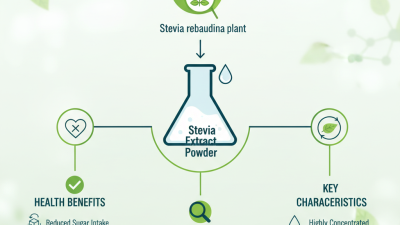
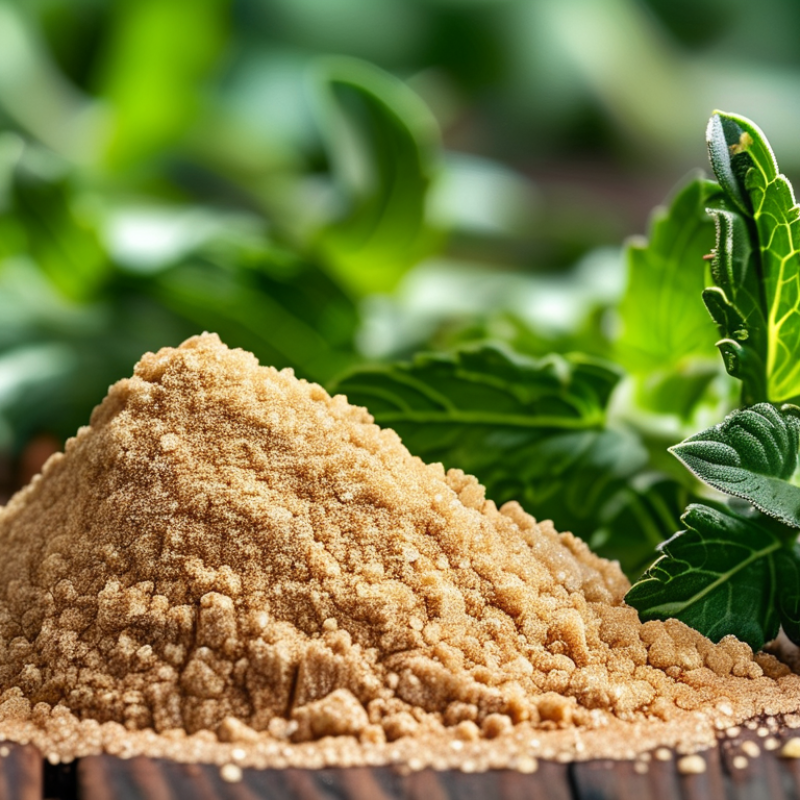
Pure organic stevia powder comes from stevia leaves grown under recognized organic farming standards. It contains either finely milled leaf material or concentrated steviol glycosides. These are different products. Leaf powder usually appears green and carries herbal notes, while purified powder is lighter and much sweeter. Buyers should confirm the product definition before comparing prices.
Production begins with mature leaves harvested from monitored fields. The leaves are cleaned, gently dried, and inspected for foreign material. For leaf powder, manufacturers mill the dried leaves into a consistent particle size. For purified stevia, water extracts the sweet compounds from the leaves. Filtration removes plant solids. Further concentration and drying create a stable powder. Processing temperatures need control because excessive heat may affect color, flavor, and performance.
Quality checks should include organic certification, botanical identity, moisture, microbiological safety, heavy metals, pesticide residues, and steviol glycoside content. A batch number and traceable farm records add practical confidence. In my experience, a clean label is useful but never enough. I would not treat a bright white powder as proof of purity. Taste can also vary slightly between harvests. That is normal, although poor consistency deserves investigation. A current certificate of analysis helps buyers assess the material before large-scale use.
Key Quality Standards for Evaluating Organic Stevia Powder
2026 Best Pure Organic Stevia Powder for Global Buyers?
Key Quality Standards for Evaluating Organic Stevia Powder
Pure organic stevia powder should begin with verified agricultural records, not attractive packaging. Buyers should request a valid organic certificate covering the farm, processor, and product sold. Certification must match the destination market’s requirements. A certificate with unclear scope deserves further questions.
Check the certificate of analysis for steviol glycoside content, moisture, microbiological limits, heavy metals, pesticides, and foreign matter. Testing should come from an independent, competent laboratory. One number is never enough. A low moisture result can still hide poor storage practices. Ask for batch-specific data, not a general company sheet.
The powder should look consistent.
Color, aroma, and taste also matter. A clean sample usually has a fine texture, mild herbal notes, and no damp smell. Excessive bitterness may suggest formulation issues or unsuitable extraction. However, appearance cannot prove purity. I have seen samples look excellent while their documents were incomplete, which is an easy warning to miss.
Traceability should connect the finished lot to its origin, processing date, packaging line, and shipment conditions. Food-grade packaging must protect the powder from humidity, heat, light, and odors. Seal quality matters during long-distance transport. Buyers should also review allergen statements, shelf-life evidence, and storage instructions. Organic status alone does not guarantee consistent sweetness or reliable quality.
How to Compare Purity, Sweetness, Taste, and Solubility
For global buyers choosing the 2026 best pure organic stevia powder, comparison should begin with verified specifications, not packaging claims.
Request a current certificate of analysis, organic certification, microbial results, heavy-metal testing, and the stated steviol glycoside profile.
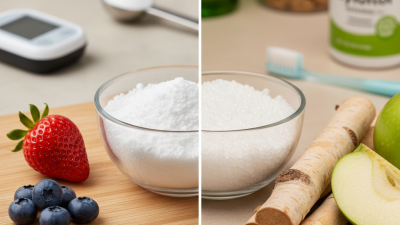
“Pure” may mean a refined extract, while some powders contain leaf material or carriers. That difference affects sweetness, color, and use levels.
Sweetness is not the only measure. A high-purity extract can taste sharper or leave a lingering note, especially in water or unsweetened beverages.
Test small samples in the final recipe, using the same temperature and dosage. Notice bitterness, cooling sensations, and aftertaste.
I have found that clean taste often depends on formulation, not purity alone. Results can vary. Human tasting is useful, but it is not perfectly objective.
Solubility also needs practical testing. Stir one gram into a measured liquid, observe clumping, and check the solution after ten minutes. Powder size, moisture, and processing can change performance.
Tips:
Compare samples from the same batch when possible. Ask for storage conditions and shelf-life data. Check whether “organic” certification matches your target market’s requirements. Do not assume a lighter color means better quality. For reliable purchasing, combine laboratory documents with a controlled sensory and solubility trial before placing a large order.
Global Certifications, Labeling Rules, and Import Requirements
For global buyers, “pure organic stevia powder” must mean more than a natural-sounding claim. A supplier should identify whether the product is ground stevia leaf or purified steviol glycosides. These forms can follow different food-additive and novel-food rules. Request a current organic certificate issued under the destination market’s approved system. Also review HACCP or ISO 22000 controls, laboratory testing, and traceability records.
A reliable label should state the exact ingredient name, net weight, lot number, production date, best-before date, country of origin, and storage conditions. Organic wording must match the certificate, not marketing preference. The label should avoid unsupported health claims. Check allergen declarations, even when the product appears naturally simple. A certificate alone is not proof of every claim.
Import preparation usually includes a commercial invoice, packing list, transport document, certificate of origin, organic documentation, and a product specification. Many customs authorities may request a certificate of analysis covering steviol content, pesticides, heavy metals, microbiology, and moisture. Phytosanitary requirements can vary by product form and destination. Verify the correct HS classification before shipping. It is easy to assume one code fits every country. It does not. The importer of record should confirm registration, pre-notification, language, packaging, and border inspection rules with local authorities. Small label errors can delay an otherwise compliant shipment.
2026 Best Pure Organic Stevia Powder for Global Buyers?
Global regulatory authorities generally reference an acceptable daily intake of
0–4 mg/kg body weight per day, expressed as steviol equivalents,
for steviol glycosides. This value is a safety reference and does not replace
destination-specific labeling, organic certification, customs, or import checks.
Buyers should verify a valid organic certificate, product specification, certificate
of analysis, ingredient and allergen declarations, lot and shelf-life information,
importer or responsible-operator details, country-of-origin data, commercial invoice,
packing list, and any required food-safety or customs documents before shipment.
Sources:
JECFA,
EFSA Journal 2010;8(4):1537,
EU Regulation (EU) No 1131/2011.
How to Select Reliable Stevia Powder Suppliers in 2026
2026 Best Pure Organic Stevia Powder for Global Buyers?
Reliable stevia powder suppliers should provide clear product specifications before price discussions begin. Ask for the botanical name, plant part, extraction method, sweetness profile, and organic certification scope. A serious supplier should share recent batch test reports, not only a general certificate. Check microbiological results, pesticide residues, heavy metals, moisture, and purity values. Ask for evidence.
The certificate issuer, testing laboratory, report date, and batch number should match the shipment. This small detail can expose weak traceability. Laboratory methods may also produce different results. Request the testing standard and detection limits. Do not assume “organic” means identical quality across suppliers. Growing region, harvest timing, drying temperature, and particle size can affect color, taste, and solubility.
Samples deserve practical testing. Dissolve the powder in your intended beverage or food formula. Observe after several hours, including sediment, bitterness, and flavor changes. Compare the sample with the proposed production batch. A common purchasing mistake is approving a beautiful sample without checking consistency. Packaging matters too. Moisture-resistant bags, sealed inner liners, pallet protection, and suitable storage instructions reduce quality loss during long transport. Review production capacity, lead times, complaint handling, and recall procedures. Supplier audits or live factory inspections add confidence, but they cannot replace independent testing. Keep records of every document and decision. Procurement is rarely perfect. A cheaper offer may become expensive after delays, retesting, or reformulation.