Why Choose Xylitol Toothpaste Tablets for Dental Health?
Dental health plays a crucial role in overall well-being. Many people overlook the significance of choosing the right dental care products. Among various options available, Xylitol Toothpaste Tablets have gained attention for their unique benefits.
Xylitol is a natural sweetener. It helps reduce harmful bacteria in the mouth. This is essential for preventing cavities and maintaining fresh breath. The convenience of Xylitol Toothpaste Tablets makes them appealing. They are lightweight, portable, and easy to use on the go.
However, not all users experience immediate benefits. Some may find the taste unusual at first. Adapting to a new dental care routine can take time. Individual responses vary, raising questions about consistency and effectiveness. Despite these challenges, many dental experts endorse the use of Xylitol Toothpaste Tablets for better oral health. Overall, they present a promising alternative worth considering.
Benefits of Xylitol for Oral Health
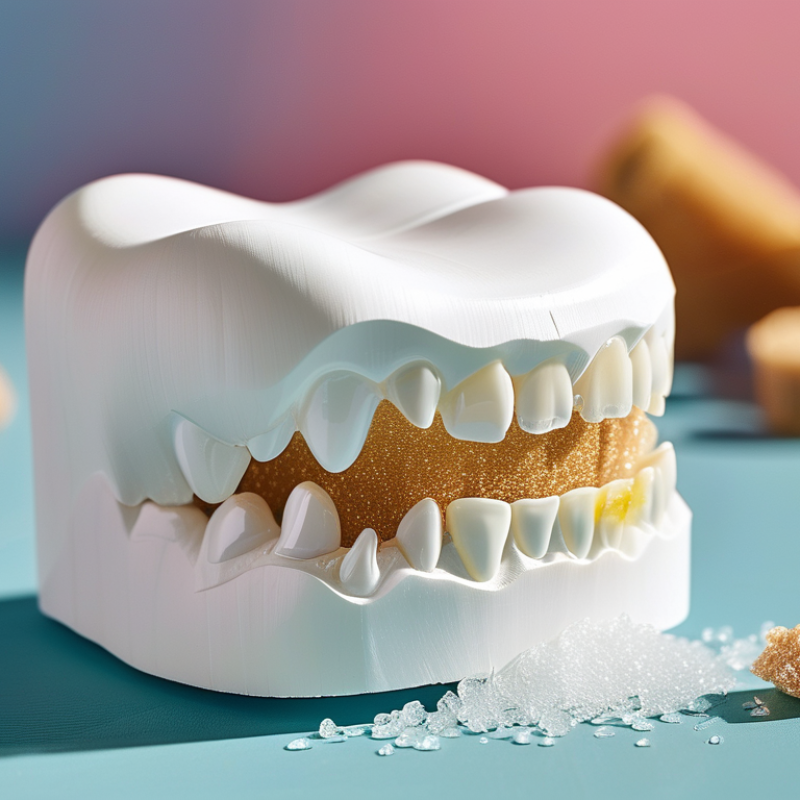
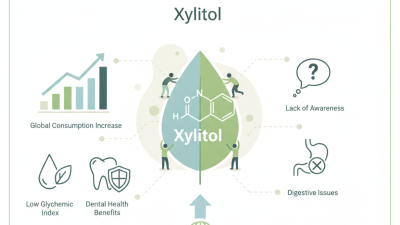
Xylitol is a natural sugar alcohol that offers significant benefits for oral health. Studies indicate that xylitol can reduce cavity-causing bacteria by up to 75%. This is crucial, especially for those prone to dental caries. Unlike regular sugars, xylitol does not ferment in the mouth. This means that harmful bacteria like Streptococcus mutans cannot use it to create acid, which leads to tooth decay.
Regular use of xylitol toothpaste tablets can also increase saliva production. Saliva is essential for remineralizing teeth and neutralizing acids in the mouth. A study published in the "Journal of Dental Research" found that xylitol enhances the pH balance in saliva, promoting a healthier oral environment. However, it’s important to note that while xylitol is beneficial, it should not replace regular dental care routines.
Maintaining oral health involves more than just using xylitol. Consistent brushing and regular dental check-ups are still necessary. Some individuals may experience digestive discomfort when consuming too much xylitol. Therefore, moderation is key. Observing how your body reacts to xylitol can help in creating an effective routine.
How Xylitol Toothpaste Tablets Work Against Cavities
Xylitol toothpaste tablets are gaining popularity for their role in dental health. They work against cavities in unique ways. Xylitol is a natural sugar alcohol that prevents the growth of harmful bacteria. These bacteria often lead to plaque formation and cavities. When you use xylitol, it reduces the amount of acid produced in your mouth, helping to maintain a neutral pH. This habitat is less favorable for cavity-causing bacteria.
When using xylitol toothpaste tablets, timing matters. It’s best to chew or dissolve one after meals. This helps neutralize acids quickly, supporting a healthy mouth environment. Remember, consistency is key. Regular use can significantly impact your oral health over time.
Here are some quick tips: always incorporate xylitol as part of your routine. Pair it with regular brushing and flossing for the best results. Also, consider limiting sugar intake, which can support the effectiveness of xylitol. Even with these measures, seek regular dental check-ups. Reflection on habits is necessary to ensure lasting dental health.
Impact of Xylitol Toothpaste Tablets on Cavity Prevention
Xylitol toothpaste tablets have been shown to be significantly more effective in preventing cavities compared to regular toothpaste and non-xylitol products. This chart illustrates the percentage effectiveness of different dental care products in cavity prevention, highlighting the advantages of using xylitol-based options for better dental health.
Comparison of Xylitol Toothpaste Tablets with Traditional Toothpaste
When comparing xylitol toothpaste tablets to traditional toothpaste, several key differences emerge. Xylitol, a natural sugar alcohol, has been shown to decrease cavity-causing bacteria in the mouth. A study published in the Journal of Dental Research found that xylitol can reduce the levels of Streptococcus mutans by up to 75%. This highlights its effectiveness in promoting oral health. Traditional toothpaste often relies on fluoride, which, while beneficial, poses risks in excessive amounts.
Another critical comparison is the form of delivery. Xylitol toothpaste tablets provide a convenient, mess-free option that makes it easier to maintain dental hygiene on the go. Users report enjoying the portability of tablets, as they can be used without water, making it easier to keep up with brushing routines. However, many individuals are accustomed to traditional pastes or gels, and the change might feel uncomfortable at first. It requires an adjustment period to fully embrace tablets instead of conventional toothpaste.
Additionally, the environmental impact is significant. Tablets often use less packaging than traditional toothpaste tubes, reducing plastic waste. Yet, some consumers question the longevity of xylitol’s effectiveness compared to fluoride’s proven track record. Understanding these aspects allows individuals to make informed choices about their dental health.
Environmental Impact of Using Xylitol Toothpaste Tablets
The choice of xylitol toothpaste tablets extends beyond personal dental health. Their environmental impact is becoming increasingly significant. Many conventional toothpaste tubes are non-recyclable and contribute to plastic waste. In contrast, xylitol tablets often come in eco-friendly packaging. A study by the Eco-Dentistry Association notes that more than 1.5 billion toothpaste tubes end up in landfills each year. This statistic highlights the need for alternatives that are both effective and sustainable.
Xylitol itself is a natural sugar alcohol. It reduces cavity-causing bacteria and has minimal environmental footprint. According to a report from the Journal of Dental Research, products containing xylitol can lead to a 30% reduction in cavities. This not only benefits individual dental health but also promotes eco-conscious habits. The use of xylitol supports a cycle of sustainability, especially when combined with responsible packaging practices.
Tips: Consider storing your xylitol tablets in a reusable container. This small change can reduce plastic waste further. Also, look for brands certified by relevant environmental organizations. Always check the packaging materials to ensure they are recyclable or biodegradable. Such practices can amplify your positive impact on the environment while maintaining excellent dental health.
How to Incorporate Xylitol Toothpaste Tablets into Daily Routine
Incorporating xylitol toothpaste tablets into your daily routine is simple and effective. Start by storing them in an easily accessible place, like your bathroom or kitchen. This makes it convenient to remember to use them after meals. You can pop a tablet into your mouth, chew it, and let it dissolve while brushing your teeth. This dual-action approach helps maximize the benefits of xylitol in fighting cavities and promoting oral health.
Tips: Consider setting a reminder on your phone to use the tablets daily. It can be easy to forget, especially during busy mornings or late nights. Make it a part of your evening routine as well. Using xylitol toothpaste tablets before bedtime can enhance your overall dental care.
When choosing to use xylitol tablets, pay attention to your body's response. Some people may find the taste unusual or struggle with the texture. If you're not accustomed to it, ease into this new habit. Experiment with different times of day to find what works best for you. Each day might be a learning experience, but consistency is key to enjoying the full benefits.