Is Xylitol the Best Natural Sweetener for Global Buyers?
The demand for natural sweeteners is rising. Health-conscious consumers seek alternatives to sugar. Xylitol is gaining attention as a preferred option. This sugar alcohol is a top contender in the realm of Xylitol Natural Sweetener.
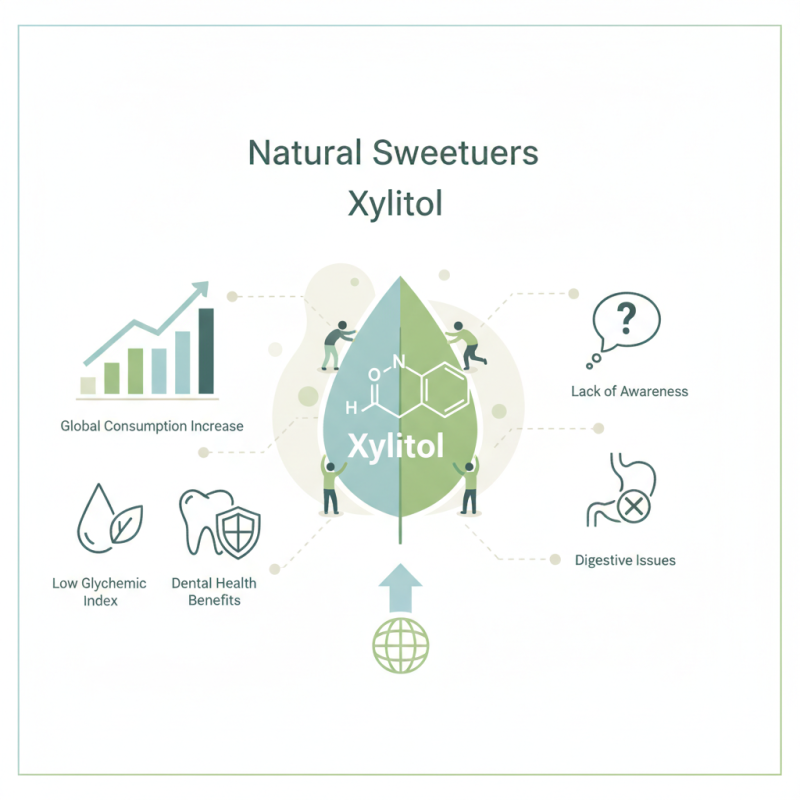
Research shows that global consumption of xylitol increased by 6% annually from 2018 to 2023. As consumers prioritize health, xylitol's benefits are compelling. It has a low glycemic index, making it safe for diabetics. Additionally, it promotes dental health by reducing cavity-causing bacteria. These properties appeal to a wide range of buyers.
However, xylitol is not without challenges. Many consumers remain unaware of its health benefits. It can cause digestive issues in some individuals. Manufacturers must educate consumers on proper usage. Despite these concerns, the potential of xylitol as a leading natural sweetener is significant. The market is ripe for growth, provided that knowledge and awareness improve.
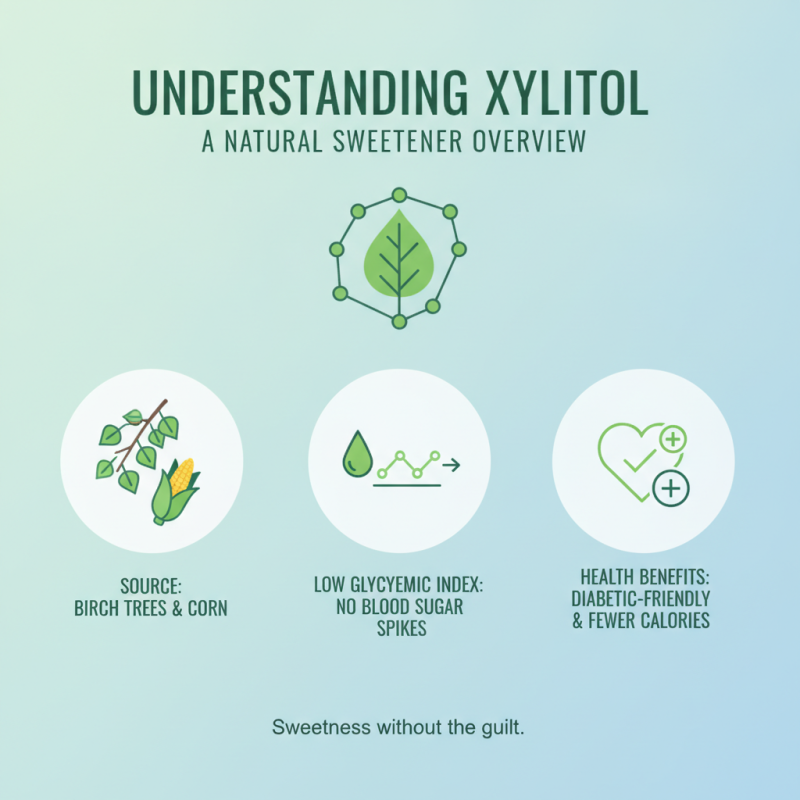
Understanding Xylitol: A Natural Sweetener Overview
Xylitol is a unique natural sweetener that offers various health benefits. It is derived from birch trees and corn. This sugar alcohol is known for its low glycemic index. This means it doesn't spike blood sugar levels like traditional sugars. For individuals with diabetes, xylitol can be a safer choice. It provides sweetness without the added calories typical of sugar.
Many people are attracted to xylitol for its dental benefits. This sweetener can actually prevent tooth decay and dental cavities. Studies show that it inhibits the growth of harmful bacteria in the mouth. Regular use of xylitol can contribute to better oral health.
However, it is important to consider some drawbacks. Some users may experience digestive discomfort when consuming it in large amounts. Finding the right balance is crucial for those new to xylitol. It's essential to start with small quantities to avoid side effects. This sweetener is a promising option but may not be ideal for everyone.
The Health Benefits of Xylitol Compared to Other Sweeteners
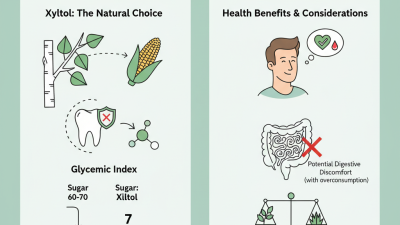
Xylitol has gained attention as a natural sweetener. It offers several health benefits that distinguish it from other sweeteners. Studies reveal that xylitol can help reduce dental cavities. In fact, research shows that it inhibits the growth of cavity-causing bacteria in the mouth by up to 80%. This quality could make xylitol a preferable choice for consumers focused on oral health.
Moreover, xylitol has a low glycemic index of just 7, compared to sugar's 60-70. This means it causes a smaller spike in blood sugar levels. For diabetics, this is crucial. The American Diabetes Association highlights xylitol as a safe alternative for managing sugar intake. However, some users experience digestive discomfort with xylitol when consumed in large amounts. Awareness of individual tolerance is essential in its use.
Another benefit lies in its potential role in weight management. A study from the Journal of Nutritional Science indicates that xylitol can help reduce overall calorie intake. But not everyone may find it meets their needs or preferences. Taste and texture vary among natural sweeteners, which can influence choices. Its unique qualities are motivating for some, while others might prefer more traditional options. This reflects a broader conversation about sweeteners and health.
Health Benefits of Xylitol Compared to Other Sweeteners
Sustainability and Environmental Impact of Xylitol Production
Xylitol, a sugar alcohol derived from plant materials, is gaining popularity as a natural sweetener. Its production involves a process of extracting xylose from birch trees or corn cobs. Although this sounds eco-friendly, the sustainability of xylitol raises important questions. The resources required for its production can lead to significant environmental impact.
Harvesting trees for xylitol can disrupt local ecosystems. The intense demand may cause over-exploitation of forests. This results in habitat loss and reduced biodiversity. While xylitol has a lower carbon footprint compared to some synthetic sweeteners, the overall effects of its production require careful consideration.
Furthermore, the processing involved in transforming natural sources into xylitol is energy-intensive. Consumers should weigh these factors against the health benefits of xylitol. Exploring alternatives like stevia or monk fruit may offer additional eco-conscious choices. The conversation about sustainable sweeteners is evolving, and it’s essential to stay informed.
Market Trends: Global Demand for Xylitol in Food and Beverages
Xylitol has emerged as a popular natural sweetener in recent years. Its appeal lies in its low-calorie content and dental benefits. Many consumers are gravitating towards healthier options. This shift is driven by increasing health awareness worldwide.
Market trends highlight a rising demand for xylitol in food and beverages. Manufacturers are responding by incorporating it into various products. Many snacks and gums now feature xylitol prominently. However, some consumers remain wary of its digestive effects. It's essential to educate buyers on proper consumption to avoid discomfort.
The global landscape for xylitol is evolving. Emerging markets show promising growth potential. However, challenges remain. Supply chain issues and price fluctuations affect availability. Buyers need to consider these factors. A deeper understanding of xylitol's properties can aid informed choices.
Potential Risks and Considerations of Using Xylitol as a Sweetener
Xylitol, a natural sweetener, has gained popularity for its unique properties. Many choose it over traditional sugars for its low glycemic index. However, there are potential risks associated with its use that buyers should consider.
While xylitol is safe for humans, it can be toxic to dogs. This poses a significant risk for pet owners. Even small amounts can lead to a dangerous drop in a dog’s blood sugar. Furthermore, excessive consumption by humans can lead to digestive issues. Symptoms such as bloating and diarrhea are common.
Buyers must weigh the benefits against these risks. It’s essential to read labels carefully if purchasing products containing xylitol. Understanding its effects on both humans and pets is vital. Awareness can lead to informed decisions. How xylitol fits into a healthy lifestyle will vary from person to person and situation to situation.
Is Xylitol the Best Natural Sweetener for Global Buyers? - Potential Risks and Considerations of Using Xylitol as a Sweetener
| Aspect |
Details |
| Type |
Natural Sugar Alcohol |
| Caloric Content |
2.4 calories per gram |
| Sweetness Level |
Approximately 70% as sweet as sucrose |
| Dental Health |
May help reduce cavities |
| Glycemic Index |
Low (GI of 7) |
| Potential Risks |
May cause gastrointestinal distress in some individuals |
| Toxicity to Pets |
Highly toxic to dogs and other pets |
| Recommended Usage |
In moderation, as part of a balanced diet |