Best Alternatives for Erythritol You Should Know?
As interest in low-calorie sweeteners grows, many look for an alternative for erythritol. Erythritol is popular for its sugar-like sweetness and low glycemic index. However, some people experience digestive discomfort or prefer different flavor profiles. This leads us to explore viable options that can replace erythritol seamlessly.
Several alternatives are available in the market, each with unique benefits. For instance, allulose offers a sweet taste similar to sugar. It has minimal calories and does not spike blood sugar levels. Monk fruit sweetener is another great choice. It is zero-calorie and comes from natural sources. But being natural doesn’t mean it suits everyone. Some may find its flavor too distinctive.
Choosing an alternative for erythritol requires understanding individual preferences and potential side effects. The sweetness and effects on blood sugar can vary significantly among substitutes. While options like stevia and xylitol also exist, they can have different impacts on health. Understanding these differences is essential for a healthier lifestyle.
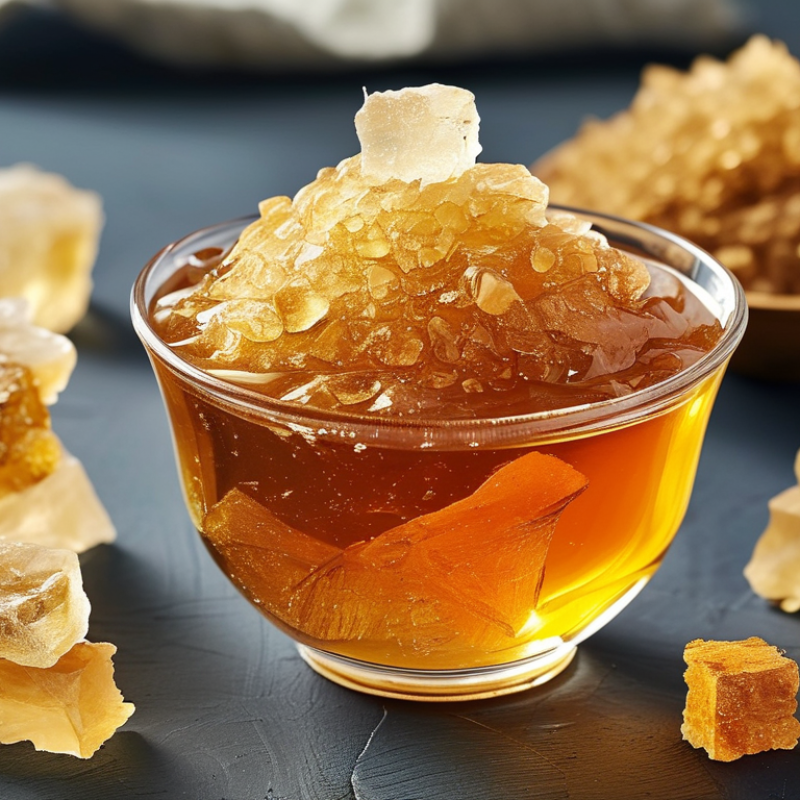
Best Alternatives for Erythritol: Overview of Natural Sweeteners
When exploring alternatives for erythritol, natural sweeteners offer a variety of options. Stevia is a popular choice. It comes from the leaves of the Stevia plant and is significantly sweeter than sugar. Many appreciate its zero-calorie content. However, be mindful of its aftertaste, which may not suit everyone’s palate.
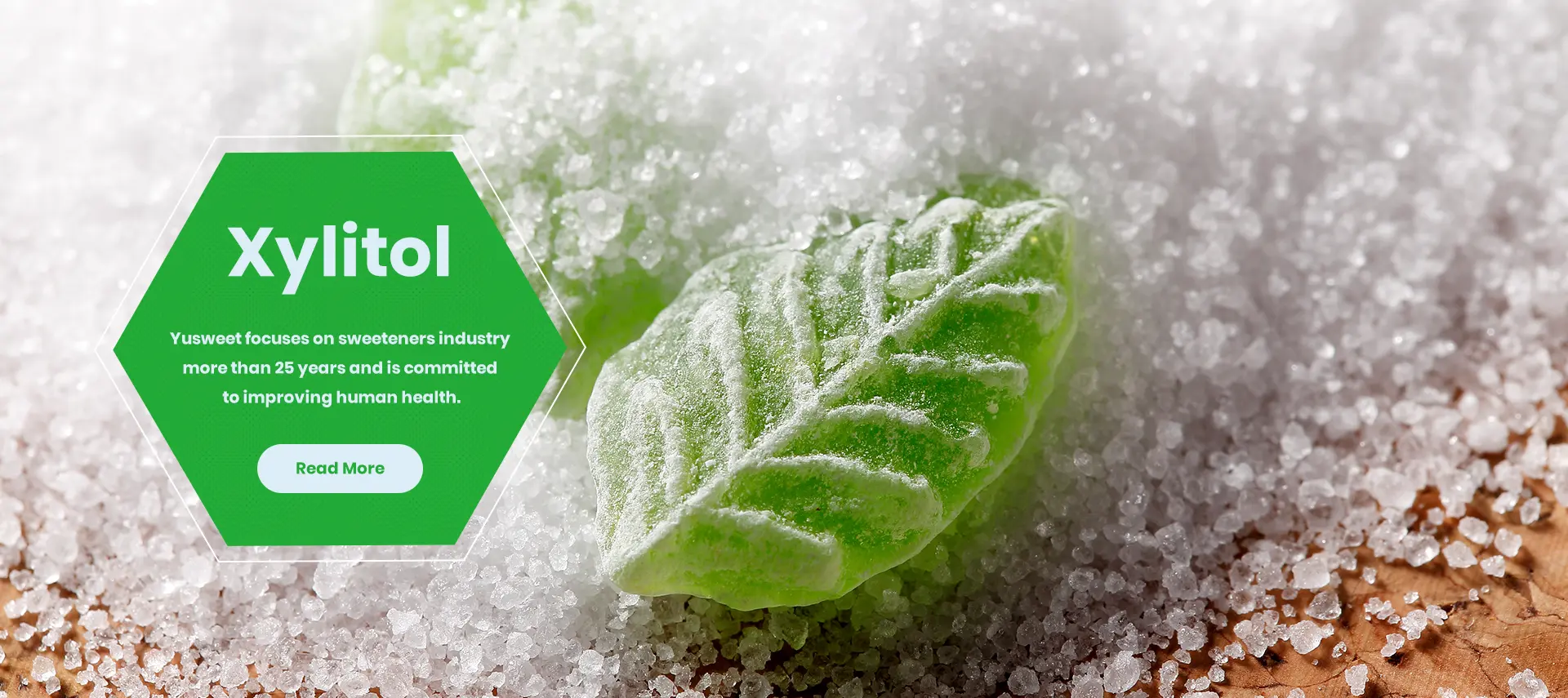
Xylitol is another alternative. Derived from birch trees, it has a similar sweetness level to sugar but with fewer calories. It can also support dental health. Nevertheless, xylitol can cause digestive issues in some people, particularly when consumed in large quantities.
It’s essential to experiment with these sweeteners to find your preferred taste. Not every alternative will fit your needs, so consider personal reactions. Test different amounts in your favorite recipes. Watch for any side effects, especially with sugar alcohols like xylitol. Remember to hydrate when adapting to new sweeteners, as digestive changes may arise.
Understanding the Nutritional Profile of Erythritol vs. Alternatives
Erythritol is a popular sugar substitute. It's calorie-free, making it appealing for many. However, understanding its nutritional profile helps in making informed choices. Erythritol has about 0.24 calories per gram and does not raise blood sugar levels. But some people experience digestive discomfort with it. This leads many to seek alternatives that might be easier on the gut.
One viable alternative is stevia. It’s derived from a plant and is also calorie-free. Stevia doesn’t cause blood sugar spikes. However, it can have a strong aftertaste that some find unappealing. Another option is monk fruit sweetener, which is natural and has no calories. It’s sweeter than sugar but less known. Finally, allulose is gaining popularity. It has fewer calories and mimics sugar's taste and texture closely. These options have different benefits and downsides, making experimentation essential.
Each alternative presents unique nutritional profiles and flavor experiences. People may prefer one over another based on personal taste or dietary needs. The quest for a perfect sugar substitute may require trial and error. Understanding these nuances can facilitate better choices in your diet.
Top 5 Sugar Substitutes and Their Glycemic Index Ratings
When exploring sugar substitutes, understanding their glycemic index (GI) is essential. The glycemic index measures how quickly foods raise blood sugar levels. For many, maintaining stable blood sugar is crucial. Among the top alternatives, stevia stands out. Its GI is 0, making it an excellent choice for diabetics. Research from the American Journal of Clinical Nutrition indicates stevia has no impact on blood glucose levels.
Another viable option is monk fruit. Its GI also registers at 0. This natural sweetener is gaining traction for its unique taste profile. Studies show monk fruit may have additional health benefits, such as antioxidant properties. However, it can be challenging to find pure versions without additives.
Allulose has emerged as a popular low-calorie sweetener. It has a GI of about 7, making it a more significant option than stevia and monk fruit, while still being low. However, some consumers experience digestive discomfort with allulose, which warrants caution. Understanding individual responses to these substitutes is important for everyone's dietary choices.
Best Alternatives for Erythritol - Top 5 Sugar Substitutes and Their Glycemic Index Ratings
Impact of Natural Sweeteners on Gut Health and Metabolism
Natural sweeteners have gained popularity in recent years, particularly regarding their effects on gut health and metabolism. Many people seek alternatives to sugar and sugar alcohols, like erythritol, hoping for healthier options. It is essential to understand how these sweeteners interact with our digestive systems.
Some natural sweeteners, such as honey and maple syrup, provide not only sweetness but also nutrients. However, their high sugar content may impact blood sugar levels. In contrast, stevia and monk fruit extract offer sweetness without significant calories. They may also support metabolic health by reducing the caloric load. Nevertheless, individual responses vary. Some individuals may experience digestive discomfort when consuming certain natural sweeteners, highlighting the need for personalization in dietary choices.
Emerging research shows that sweeteners like agave syrup can influence gut microbiota. A balanced gut microbiome is vital for overall health. Yet, some sweeteners may alter gut bacteria in ways we do not fully understand. Further investigation is necessary to solidify our knowledge in this area. Exploring alternatives requires a cautious approach, as the effects may differ from one person to another. Keeping track of how different sweeteners impact your body can lead to better choices in the long run.
Consumer Trends: The Rise of Erythritol Alternatives in Food Products
In recent years, consumer trends have shifted significantly towards erythritol alternatives. A report from the International Food Information Council found that 30% of consumers are actively seeking sugar substitutes. This change reflects a heightened awareness of health and wellness, as more individuals prioritize low-calorie options. As a result, food manufacturers are innovating with various sweeteners to meet this growing demand.
One notable trend is the use of allulose, a rare sugar that contains 0.4 calories per gram. According to a study published in the Journal of Nutrition, allulose may be a suitable alternative for those aiming to reduce sugar intake without sacrificing taste. Similarly, alternatives like monk fruit and stevia have gained popularity. They offer distinct flavor profiles while remaining calorie-free. However, achieving the right balance in sweetness can be challenging. Many consumers find certain erythritol substitutes lacking in taste or having aftertastes that do not appeal to everyone.
Moreover, the rise of these alternatives isn't without its complications. Some users report digestive discomfort when consuming sugar alcohols like erythritol. This highlights the necessity for more research and transparent labeling. The market's rapid evolution demands that brands continually adapt, ensuring both flavor and safety. As consumers explore these alternatives, understanding individual responses to each sweetener becomes paramount in their dietary choices.