How to Use Erythritol as a Keto Substitute for Sugar?
Erythritol has become a prominent choice as a keto substitute for sugar, thanks to its unique properties. According to a report by the International Food Information Council, 70% of consumers are actively looking for low-calorie alternatives. This shift highlights the growing awareness of healthier options, particularly in ketogenic diets. Dr. Sarah Thompson, a nutrition expert, states, "Erythritol provides a sweet satisfaction without the carbs."
This remarkable sugar alcohol contains only 0.24 calories per gram, making it a go-to for those maintaining a low-carb lifestyle. It does not raise blood sugar levels, which is crucial for keto dieters. Despite its benefits, some users face digestive discomfort, especially when consumed in large quantities. Navigating this balance is essential for maximizing its potential as an Erythritol Keto Substitute.
The popularity of erythritol raises questions about long-term impacts and overall health effects. Continuous research is needed to fully understand its role in our diets. As the industry evolves, the importance of credible sources and expert opinions becomes paramount. Erythritol is not just a sweetener; it's part of a broader movement towards healthier living.
Understanding Erythritol: What It Is and How It Works
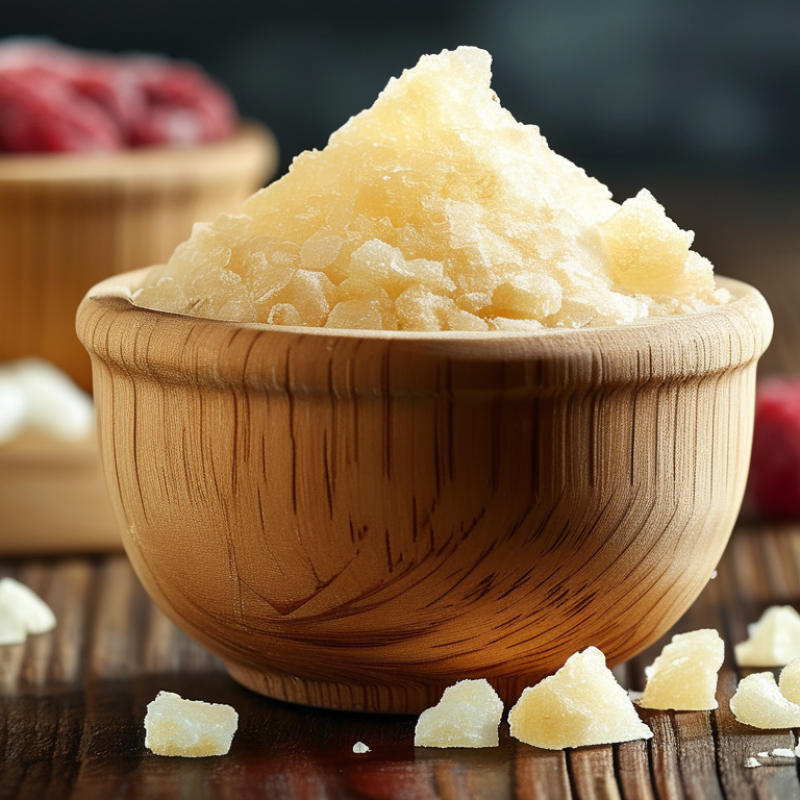
Erythritol is a popular sugar substitute in the keto community. It is a sugar alcohol, naturally found in certain fruits. This sweetener provides about 70% of sugar’s sweetness, but with almost no calories. It also does not spike blood sugar levels, making it ideal for those on a low-carb diet.
When using erythritol, one useful tip is to experiment with recipes. It can replace sugar cup-for-cup in most baking items. However, be mindful that its cooling effect can alter the texture and taste of some dishes. Adjusting cooking times may also be necessary, as it can brown differently.
Another consideration is how erythritol affects your body. While it's generally recognized as safe, some people may experience digestive discomfort. Start with small amounts to see how your body reacts. This allows for a better understanding of its impact on your digestion and comfort level while still enjoying a keto-friendly sweetener.
The Benefits of Erythritol for Keto Dieters
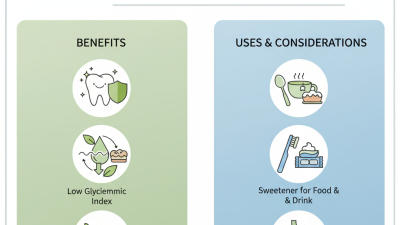
Erythritol offers several advantages for those following a keto diet. It is a low-calorie sweetener that has minimal impact on blood sugar levels. This makes it an excellent choice for maintaining ketosis. Unlike regular sugar, erythritol has about 70% of the sweetness but only 5% of the calories. This allows for a sweeter taste without the calories that come with sugar.
Another benefit is its dental health properties. Erythritol does not contribute to tooth decay. In fact, it may even help reduce the growth of harmful bacteria in the mouth. This can be a significant consideration for those watching their oral health. While it has numerous benefits, some may experience digestive issues when consuming erythritol in large quantities. Some individuals report bloating or gas, which can be uncomfortable. Therefore, it's essential to listen to your body and adjust your intake accordingly.
Incorporating erythritol into your diet is simple. You can use it in baked goods, beverages, or even savory dishes to add sweetness without the carbs. However, not all brands of erythritol are created equal. Some products may contain additives that could affect your health. Therefore, reading labels is crucial. Overall, erythritol is a valuable tool for a keto dieter, offering sweetness while supporting dietary goals.
Benefits of Erythritol for Keto Dieters
Comparing Erythritol to Other Sugar Substitutes
Erythritol has gained popularity as a keto-friendly sugar substitute. It contains nearly zero calories, which is a decisive factor for many individuals following a low-carb diet. According to recent studies, erythritol is about 70% as sweet as sugar but does not influence blood sugar levels. This makes it a favorable option for those managing diabetes or insulin sensitivity.
When comparing erythritol to other sugar substitutes, such as xylitol and stevia, there are notable differences. Xylitol, while lower in calories than sugar, can cause digestive discomfort for some. On the other hand, stevia often requires a flavor adjustment period. The sweetness of stevia can be overwhelming, and its aftertaste may not appeal to everyone. Erythritol generally lacks such issues and feels more like sugar in texture and taste.
According to a report from the Journal of Food Science, erythritol is absorbed in the body and subsequently excreted unchanged. This means it does not contribute to caloric intake. Despite this, some users might experience minor digestive upset when consuming erythritol in large quantities. This highlights the importance of moderation in any diet, even with seemingly safe alternatives.
How to Incorporate Erythritol into Your Keto Recipes
Erythritol is gaining popularity among keto dieters for its sugar-like sweetness and zero calories. It has a glycemic index of zero, meaning it won’t spike blood sugar levels. This makes it an excellent substitute for those on ketogenic diets. Research shows that erythritol is about 70% as sweet as sugar, which allows for versatile incorporation into various recipes.
When using erythritol, consider its texture. It often resembles sugar granules. Therefore, it works well in baking. For example, replace half the sugar in cookie recipes with erythritol. You may notice a slight cooling effect in your baked goods. This is normal, but it may take some time to adjust.
Tips: Start with small amounts in your smoothies or baked goods. Gradually increase as you become accustomed to its flavor and texture. Monitor how your body reacts to it, as some may find it causes digestive discomfort. Be aware that overuse can lead to unintended effects, so balance is key.
How to Use Erythritol as a Keto Substitute for Sugar? - How to Incorporate Erythritol into Your Keto Recipes
| Recipe |
Erythritol Amount (cups) |
Sugar Equivalent (cups) |
Net Carbs (per serving) |
| Chocolate Chip Cookies |
1 |
1 |
3g |
| Keto Pancakes |
0.5 |
0.5 |
2g |
| Vanilla Keto Ice Cream |
0.75 |
0.75 |
4g |
| Keto Cheesecake |
1 |
1 |
5g |
| Keto Muffins |
0.5 |
0.5 |
2g |
Tips for Using Erythritol Effectively in Baking and Cooking
Erythritol has gained traction among keto enthusiasts as a sugar substitute. When using erythritol in baking, keep in mind that it measures differently than sugar. Many suggest starting with 75% of the sugar amount in recipes for best results. This adjustment can lead to a less sweet outcome, requiring adjustments in other ingredients.
In terms of texture, erythritol can create a drier consistency in baked goods. It is essential to blend it with moist ingredients to avoid crumbly results. A study found that baked items with erythritol can often be denser than those made with regular sugar. This variance can sometimes lead to disappointment, especially if not anticipated.
For cooking, erythritol can caramelize at a higher temperature than sugar. This trait may impact recipes that depend on sugar caramelization for flavor. Experts recommend monitoring cooking temperatures closely to prevent unwanted results. Erythritol is about 70% as sweet as sugar. This includes potential fluctuations in flavor. While it may work well in many dishes, it may not always satisfy sugar cravings. Experimentation is key to perfecting its use in your kitchen.