Pure Organic Stevia Powder Benefits and Uses for Global Buyers?
In a world increasingly turning to natural alternatives, Pure Organic Stevia Powder stands out. This sweetener, derived from the Stevia plant, offers numerous benefits for health-conscious individuals. Unlike refined sugars, it provides sweetness without the calories. This makes it attractive to those monitoring weight or blood sugar levels.
The rise in demand for Pure Organic Stevia Powder is linked to its versatility. It can sweeten beverages, enhance recipes, or even be used in baking. Its natural origin appeals to many who prioritize organic products. Buyers appreciate its non-GMO status and lack of artificial additives.
However, not all stevia powders are created equal. Some products may contain fillers or be processed in ways that reduce their health benefits. Consumers must research and prioritize brands that guarantee purity. Ensuring you choose the right product can be challenging, yet the rewards are significant. Embracing Pure Organic Stevia Powder can lead to a healthier lifestyle, but diligence is key.
Benefits of Pure Organic Stevia Powder for Health-Conscious Consumers
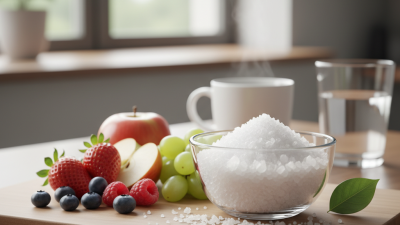
Pure organic stevia powder offers numerous benefits for health-conscious consumers. Its natural sweetness, extracted from the Stevia rebaudiana plant, plays a crucial role in reducing sugar intake. Research indicates that replacing sugar with stevia can lower caloric consumption significantly, aiding in weight management. According to a report from the European Union's Food Safety Authority, stevia is safe for consumption and does not raise blood sugar levels.
For those managing diabetes, stevia's glycemic index is zero. This property allows diabetics to enjoy sweet flavors without compromising their health. A study published in the Journal of Medicinal Food highlighted stevia's potential to enhance insulin sensitivity. Its antioxidant properties may also protect against oxidative stress, beneficial for overall well-being.
**Tip:** Always check for pure organic certification to ensure quality.
Incorporating stevia into daily diets can be a simple adjustment. It can be added to beverages, baking, or even savory dishes. However, some consumers may find the aftertaste unappealing. Testing different brands and varieties might yield better flavor profiles.
**Tip:** Start small to gauge taste preferences.
Consulting with a healthcare provider is recommended, especially for those with specific health conditions. While stevia is generally safe, individual reactions may vary. Utilizing this natural sweetener can lead to healthier eating habits, fostering a gradual transition away from refined sugars.
Benefits of Pure Organic Stevia Powder for Health-Conscious Consumers
Nutritional Profile of Pure Organic Stevia Compared to Sugar and Other Sweeteners
Pure organic stevia powder offers a unique alternative to traditional sweeteners. Its nutritional profile stands out, especially when compared to sugar. Stevia has zero calories. In contrast, one teaspoon of sugar contains about 16 calories. This makes stevia an appealing choice for people managing their weight.
When examining sweeteners, glycemic index (GI) is vital. Stevia has a GI of zero, meaning it does not spike blood sugar levels. Sugar, on the other hand, has a high GI of around 65. This trait makes stevia particularly interesting for those with diabetes. Studies indicate that stevia can potentially aid in blood sugar control.
Moreover, stevia is rich in antioxidant compounds. Research highlights that it can lower inflammation and enhance heart health. However, some individuals experience aftertastes or digestive discomfort. Not every consumer appreciates stevia's flavor profile. Understanding these reactions is crucial for buyers considering this sweetener.
Pure Organic Stevia Powder Benefits and Uses for Global Buyers
| Nutritional Profile |
Pure Organic Stevia (per 100g) |
Granulated Sugar (per 100g) |
Other Sweeteners (per 100g) |
| Calories |
0 |
387 |
240-380 |
| Total Carbohydrates |
0g |
100g |
60-100g |
| Sugars |
0g |
100g |
60-100g |
| Sweetness Level |
200-300 times sweeter |
1 |
0.5-1.5 |
| Glycemic Index |
0 |
60-65 |
10-20 |
Impact of Stevia on Blood Sugar Levels: Studies and Findings
Stevia, a natural sweetener, has gained popularity for its low-calorie content and potential health benefits. Research indicates that pure organic stevia powder can impact blood sugar levels positively. A study published in the journal "Appetite" found that stevia does not affect glucose metabolism, making it an appealing choice for those managing diabetes.
In trials, stevia demonstrated a minimal effect on postprandial blood sugar levels. One report showed that participants consuming stevia had lower blood glucose responses compared to those using sucrose. Another study from the "Journal of Medicinal Food" indicated that stevia can enhance insulin sensitivity. These findings suggest it may assist in regulating blood sugar.
Despite its benefits, stevia is not a full substitute for proper diet management. Individuals should monitor their overall carbohydrate intake. Some consumers may also find its aftertaste less appealing. Thus, while stevia presents a viable alternative, it is essential to consider personal preferences and dietary needs when choosing sweeteners. Understanding these nuances can empower global buyers to make informed choices about their health.
Global Market Trends: Demand for Organic Stevia in Food and Beverage Industry
The demand for organic stevia has surged in the food and beverage industry. Many consumers seek healthier alternatives to sugar. People are increasingly aware of the risks associated with high sugar intake. This shifting mindset drives companies to explore organic sweeteners like stevia.
Global market trends show significant growth in this sector. Stevia offers a natural solution, with zero calories and a low glycemic index. This appeal attracts health-conscious consumers and those with dietary restrictions. Beside its health benefits, stevia is versatile. It can be used in beverages, baking, and cooking. Brands are experimenting with stevia-infused products to meet market needs.
Some challenges remain for global buyers. Sourcing high-quality organic stevia can be tricky. Standards vary by region, and not all products are certified. Buyers must ensure the authenticity of the stevia they choose. This process can be time-consuming. Transparency in sourcing is essential for maintaining trust. But as the market evolves, the potential for stevia is immense.
Practical Uses of Pure Organic Stevia in Cooking and Baking Applications
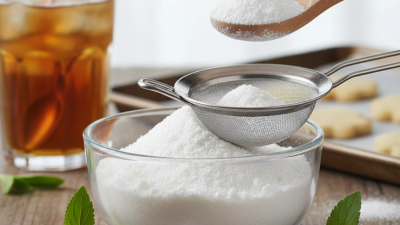
Pure organic stevia powder has gained popularity as a natural sweetener in kitchens worldwide. Unlike refined sugars, stevia offers a low-calorie alternative without the harmful effects on blood sugar levels. This makes it ideal for those managing diabetes or seeking to reduce sugar intake. Its unique sweetness means that just a small amount can replace significant sugar in recipes.
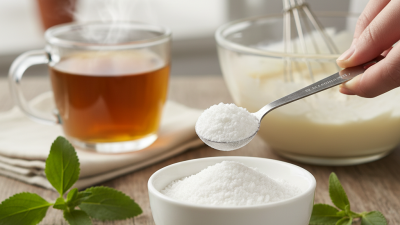
In cooking and baking, stevia can be versatile. Use it in beverages like tea or coffee to enhance flavor without calories. When baking, remember that stevia doesn't behave exactly like sugar. It can sometimes result in different textures or moisture levels. For optimal results, blend stevia with other natural sweeteners. This combination often leads to a better taste profile and structure.
Caution is key when substituting stevia in recipes. Too much can lead to an overbearing sweetness that masks other flavors. It may require some experimentation to find the right balance. Many bakers notice that stevia can make baked goods denser. For lighter results, adjustments to the flour or leavening agents may be needed. Engage in trial and error, and reflect on what works best for your palate.