Is Xylitol Natural Sweetener Safe and Effective for Health?
Xylitol Natural Sweetener has gained popularity as a healthier alternative to sugar. Dr. Amy Richards, a nutrition expert, states, “Xylitol is a game-changer for those watching their sugar intake.” Many people are curious about its safety and health benefits.
Consumers often wonder: is Xylitol Natural Sweetener truly safe? While Xylitol is derived from natural sources, its effects can vary between individuals. Some studies suggest it may help dental health and manage blood sugar levels. However, not everyone tolerates it well, as some may experience digestive issues.
The discussion surrounding Xylitol raises crucial questions. Is it effective for everyone? What are the long-term effects? As more people look for natural sweeteners, it's vital to analyze all angles. Finding a balance is essential. We must consider benefits alongside potential drawbacks.
Overview of Xylitol: Origin and Production Process
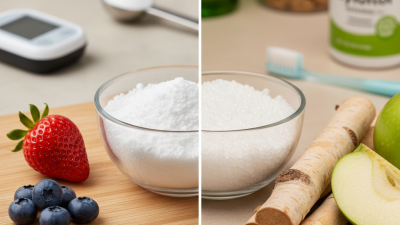
Xylitol is a unique sweetener derived from birch trees and corn. Its production process involves extracting xylose from these sources. This xylitol is refined through hydrogenation, resulting in a white crystalline substance. Research suggests that xylitol has a low glycemic index and can be beneficial for dental health, reducing cavity-causing bacteria.
Tips: When substituting sugar with xylitol, start with small amounts. This helps your palate adjust. Remember, excessive consumption may lead to digestive upset.
Studies indicate that xylitol can significantly lower levels of Streptococcus mutans, the bacteria responsible for tooth decay. In fact, a report by the Journal of Dental Research noted a 45% reduction in cavities among regular xylitol users. However, its effectiveness varies individually, and overconsumption can lead to discomfort.
Tips: Always read product labels before use. Some xylitol products contain additives that may not be healthy. Monitor your body's response to xylitol, especially if you have digestive issues.
Nutritional Profile of Xylitol Compared to Other Sweeteners
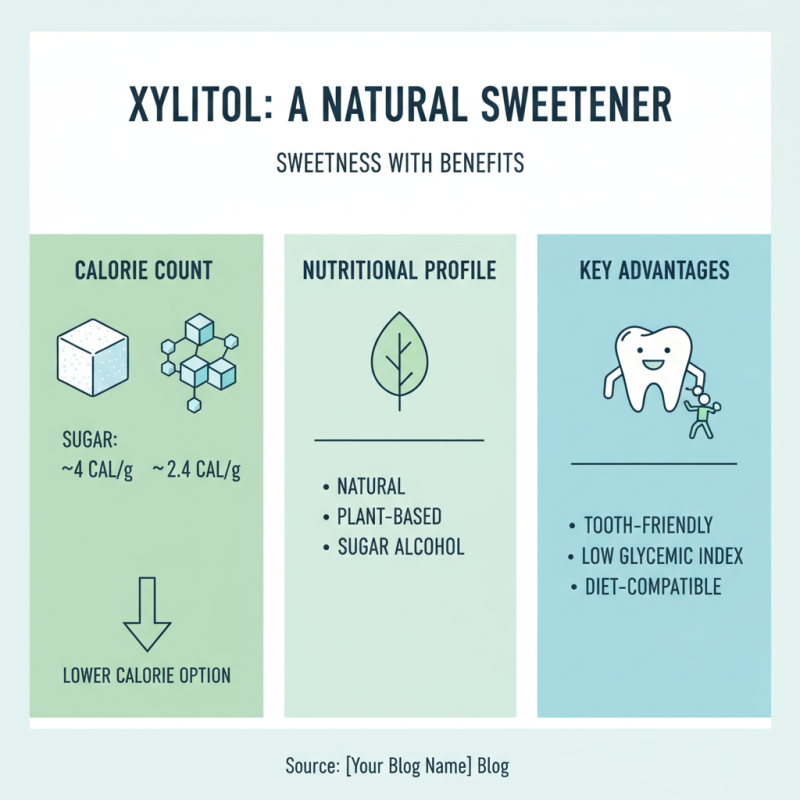
Xylitol is increasingly popular as a natural sweetener. Its nutritional profile distinguishes it from other sweeteners like sugar and aspartame. For starters, xylitol contains 2.4 calories per gram, while sugar has about 4 calories per gram. This characteristic makes xylitol a lower-calorie option.
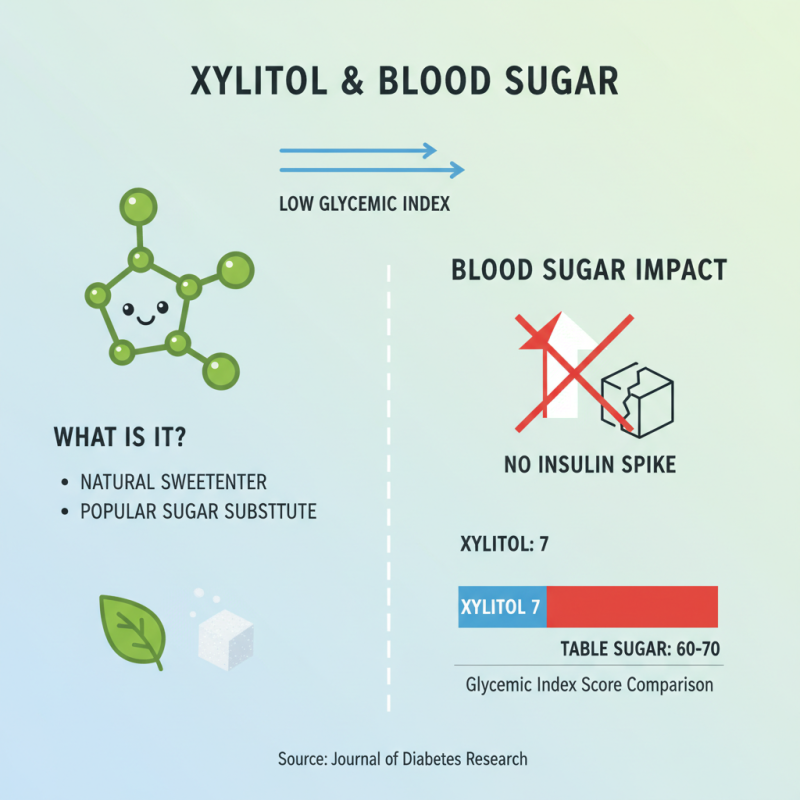
Interestingly, xylitol has a low glycemic index of 7. This is significantly lower than sugar, which has a glycemic index of 65. This means xylitol can be safer for individuals managing blood sugar levels. Studies have also suggested that xylitol may contribute to dental health. According to a study published in the Journal of Dental Research, it reduces cavity-causing bacteria in saliva.
However, it’s essential to consider some caveats. While xylitol has many benefits, excessive consumption can lead to digestive issues. This includes gas, bloating, or diarrhea. These effects are typically linked to amounts over 50 grams per day for adults. Balancing xylitol intake is crucial for reaping its benefits without adverse reactions. Overall, while xylitol offers a promising alternative to traditional sweeteners, moderation is key.
Health Benefits of Xylitol: Dental Health and Beyond
Xylitol is a sugar alcohol known for its sweet taste. It has gained attention for its potential health benefits, particularly in dental health. Studies show that xylitol can reduce the levels of decay-causing bacteria in the mouth. According to research published in the journal "Caries Research," regular use of xylitol can lead to a 30% reduction in dental cavities. This number might seem small, but in a world where dental health is paramount, every percentage counts.
Beyond cavity prevention, xylitol can also promote ear health in children. A study reported in "Pediatrics" indicated that xylitol chewing gum reduces ear infections by 40% in children aged 2-5. This statistic highlights xylitol's multifaceted benefits, offering a natural approach to common health issues. However, not all individuals tolerate xylitol well. Some may experience digestive discomfort, such as bloating or gas when consumed in large amounts.
It's crucial to balance these benefits with personal experiences. Xylitol's promise shouldn't overshadow the need for moderation. Its natural sweetness can enhance flavors and improve health, but awareness is key. Overall, understanding both sides of xylitol's impact is essential for making informed health choices.
Health Benefits of Xylitol
Potential Risks and Side Effects of Xylitol Consumption
Xylitol is a popular sugar substitute known for its dental health benefits. However, its safety and potential side effects raise questions. Studies indicate that xylitol can cause digestive issues in some individuals. Common symptoms include bloating, gas, and diarrhea. The National Institutes of Health reports that high consumption of xylitol, particularly above 50 grams per day, may lead to gastrointestinal distress.
Some pet owners should be cautious. Xylitol is toxic to dogs, leading to hypoglycemia and potential liver failure. This creates serious concerns for households with pets. According to the ASPCA, even small amounts can be dangerous. It’s important to be aware of xylitol’s presence in certain products, including sugar-free gums and candies.
Not all individuals metabolize xylitol the same way. Reports suggest that while some enjoy its health benefits, others experience significant side effects. Personal tolerance can vary widely. Thus, moderation is essential. Understanding individual reactions to xylitol can aid in making informed dietary choices. People need to reflect on their responses to this sweetener for a healthier lifestyle.
Is Xylitol Natural Sweetener Safe and Effective for Health? - Potential Risks and Side Effects of Xylitol Consumption
| Aspect |
Details |
| Source |
Derived from birch trees or corn cobs |
| Sweetness Level |
Approx. 70% as sweet as sugar |
| Calories |
2.4 calories per gram |
| Dental Health |
Helps reduce cavity-causing bacteria |
| Blood Sugar Impact |
Has negligible effect on blood sugar levels |
| Potential Risks |
Can cause digestive issues in high amounts |
| Side Effects |
Gas, bloating, and diarrhea in some individuals |
| Pet Safety |
Highly toxic to dogs; can cause hypoglycemia |
| Overall Safety |
Generally safe in moderation; consult with a doctor if unsure |
Comparison of Xylitol's Effectiveness in Managing Blood Sugar Levels
Xylitol is a natural sweetener that has gained popularity. Many people are curious about its impact on blood sugar levels. Research shows that xylitol does not spike insulin like sugar does. A study published in the "Journal of Diabetes Research" highlights its low glycemic index. It has a score of just 7, compared to table sugar's 60-70. This means it raises blood sugar slowly.
In a trial with participants, xylitol showed promise in managing glucose levels. Those using it experienced a 30% reduction in blood sugar spikes after meals. However, some individuals may experience gastrointestinal discomfort. This can include bloating or gas. The body needs time to adjust to xylitol. Not everyone will have the same reaction.
Long-term studies are still limited. While initial results are promising, more research is needed. The safety of xylitol for long-term use remains a topic for discussion. Individuals should consider their own health conditions. Monitoring their body's responses is crucial. Making informed choices is essential, especially for those managing diabetes.