How to Use Xylitol Toothpaste Tablets for Better Oral Health?
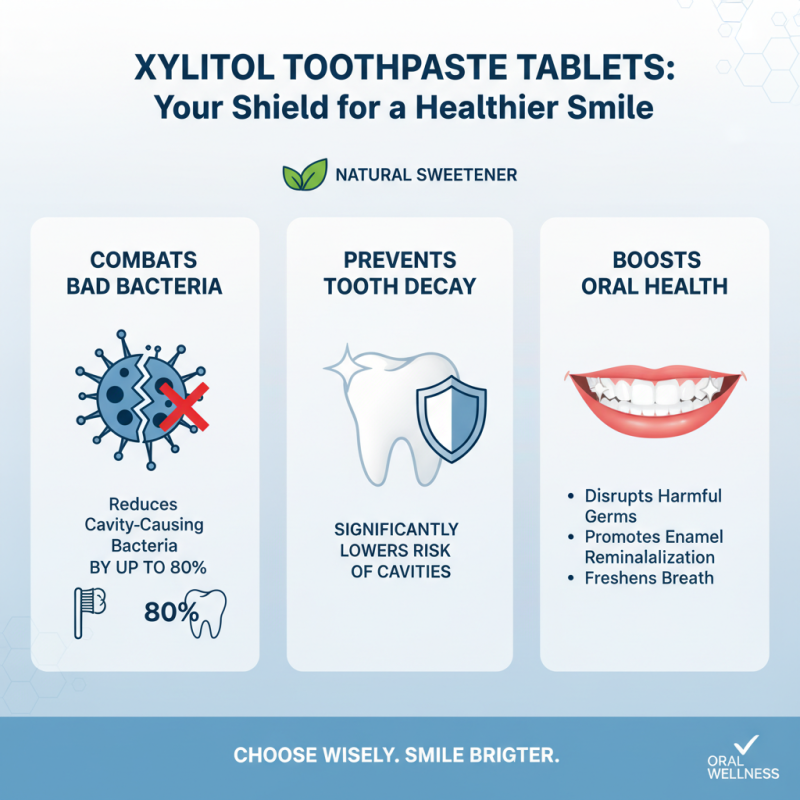
In recent years, the focus on oral health has intensified. One innovative product gaining popularity is Xylitol Toothpaste Tablets. Dr. Emily Carter, a leading expert in dental care, emphasizes, “Xylitol Toothpaste Tablets can revolutionize your daily brushing routine.” These tablets provide a convenient and effective way to enhance oral hygiene.
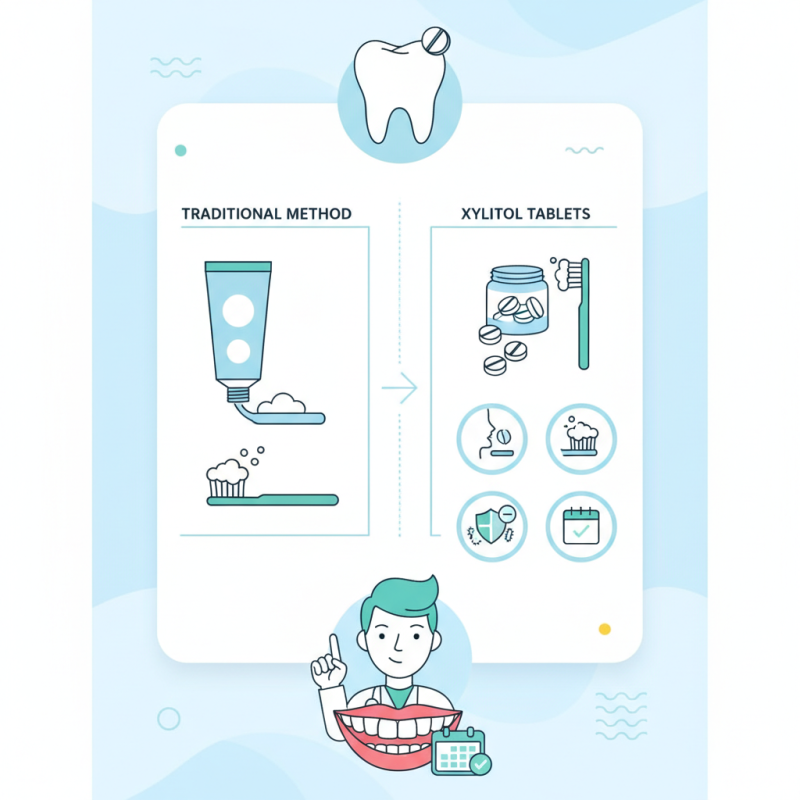
Unlike traditional toothpaste, Xylitol Toothpaste Tablets are small, portable, and easy to use. You can simply chew one tablet and brush your teeth as usual. This method not only promotes dental health but also encourages consistent use. However, users often overlook the importance of proper brushing technique. Just popping a tablet isn’t enough for optimal results.
Moreover, Xylitol helps reduce cavity-causing bacteria in the mouth. It’s important to remember that relying solely on these tablets won’t replace regular dental visits. Some may find adjusting to tablets challenging. The taste can vary, and it may take time to get used to this new routine. Each step in your oral care journey is vital, and being open to change can lead to improved health outcomes.
Understanding Xylitol and Its Benefits for Oral Health
Xylitol is a natural sugar alcohol. It is known for its dental health benefits. This sweet substance can help reduce cavities. Xylitol works by inhibiting the growth of harmful bacteria in the mouth. These bacteria often cause tooth decay. When used regularly, xylitol may help to keep teeth stronger.
Using xylitol toothpaste tablets can be an easy way to improve oral hygiene. They dissolve easily, making them perfect for on-the-go brushing. You can pop one in your mouth, chew it, and then brush.
Remember, it’s essential to maintain a consistent routine. Skipping days may decrease the benefits.
Some people might find the taste different from traditional toothpaste. This can be uncomfortable at first. However, many adapt after a few uses. Oral health is a journey, and not every method will suit everyone. Be open to finding what works best for you.
How to Properly Use Xylitol Toothpaste Tablets
Using xylitol toothpaste tablets can be a game changer for your oral health. To start, pop one tablet into your mouth. Let it dissolve slowly. This process releases xylitol, a natural sugar alcohol that prevents tooth decay. Right away, you may taste a hint of sweetness. Don’t rush. Take your time to enjoy it.
Once the tablet has dissolved, moisten your toothbrush with water. Brush your teeth for a full two minutes. Focus on each section: front, back, and chewing surfaces. Xylitol works best when it lingers. Don’t rinse your mouth immediately after brushing. It’s tempting, but give the xylitol time to do its job.
Maybe you’ll forget a step occasionally. That’s okay. Reflection helps us improve. Adjust your routine as needed. If you find yourself rushing, try setting a timer for brushing. This can help ensure you give your teeth the attention they deserve. Embrace this learning process. Your commitment to using xylitol toothpaste tablets can lead to a happier smile.
Oral Health Benefits of Using Xylitol Toothpaste Tablets
Tips for Incorporating Xylitol Tablets into Your Daily Routine
Incorporating xylitol toothpaste tablets into your daily routine can be an easy and effective way to improve your oral health. Start by choosing a time that works best for you, like after meals. This helps to reduce harmful bacteria that thrive in sugary environments. Ensure you carry a small container of these tablets with you. They’re portable and can fit even in a pocket.
When you're ready to use a tablet, simply chew it until it dissolves. This releases xylitol, which helps prevent cavities and promote saliva production. It might take a few tries to get used to the texture or taste. Don’t hesitate to experiment with different moments throughout the day. You might find that a tablet after a mid-afternoon snack helps freshen your breath and cleanse your mouth.
However, remember that tablets alone aren’t a magic solution. It’s crucial to maintain a complete oral hygiene routine with regular brushing and flossing. You may forget a tablet here and there and that’s okay. Just keep trying to include it consistently. Reflect on your progress; small changes can lead to big results over time.
How to Use Xylitol Toothpaste Tablets for Better Oral Health?
| Index |
Tips for Incorporating Xylitol Tablets |
Benefits |
Usage Frequency |
Additional Notes |
| 1 |
Use after meals |
Reduces plaque buildup |
3 times a day |
Ideal for those with dry mouth |
| 2 |
Mouth rinse alternative |
Promotes saliva production |
As needed |
Excellent for oral hydration |
| 3 |
Pair with a water bottle |
Helps maintain oral balance |
Daily |
Convenient for on-the-go |
| 4 |
Chew during study or work |
Enhances focus
and concentration |
As needed |
Great for long hours |
| 5 |
Incorporate in dental routine |
Supports dental health |
Twice a day |
Best with regular brushing |
Potential Drawbacks and Considerations of Xylitol Toothpaste Tablets
Xylitol toothpaste tablets offer an interesting alternative to traditional toothpaste. But there are potential drawbacks to consider. While xylitol can help reduce cavity-causing bacteria, excessive consumption might lead to digestive upset in some users. Reports suggest that some people experience bloating or diarrhea when consuming too much xylitol. This is worth noting before making the switch.
Another consideration is the cost. Xylitol toothpaste tablets typically cost more than standard pastes. Budget-conscious consumers may find this increase difficult to justify. Additionally, xylitol is not a replacement for brushing; it's a supplement to an existing oral care routine. Relying solely on tablets could lead to overlooked dental hygiene practices.
Tips: Start by gradually introducing xylitol toothpaste tablets into your routine. This allows you to gauge any sensitivity. Keep an eye on your overall xylitol consumption, especially if you're consuming it in other products. Mouth rinses, gums, and even some foods may contain xylitol. Balancing usage can help mitigate potential digestive issues. Also, consult your dentist if uncertain about incorporating these tablets into your daily care.