How to Use Stevia Confectioners Sugar for Delicious Low-Carb Desserts
When it comes to indulging in desserts, many people find it challenging to enjoy sweet treats while maintaining a low-carb lifestyle. Fortunately, Stevia Confectioners Sugar presents a fantastic alternative for those looking to reduce their carbohydrate intake without sacrificing flavor. This natural sweetener, derived from the leaves of the stevia plant, offers a delightful sweetness that can be seamlessly incorporated into various dessert recipes. Its fine powder form mimics traditional confectioners' sugar, making it perfect for frosting, dusting, and whipping up delectable treats.
In this guide, we will explore the numerous ways to utilize Stevia Confectioners Sugar in your kitchen, enabling you to create delicious low-carb desserts that satisfy your sweet tooth. From rich brownies to fluffy cupcakes and creamy mousses, the versatility of this sweetener opens up a world of dessert possibilities. We’ll provide tips on substitution ratios, flavor pairings, and baking techniques to help you make the most of this incredible sugar alternative. With Stevia Confectioners Sugar at your disposal, you can confidently venture into the realm of guilt-free desserts that cater to your dietary preferences.
What is Stevia Confectioners Sugar and Its Benefits for Baking
Stevia confectioners sugar is a natural sweetener derived from the Stevia rebaudiana plant, known for its zero-calorie content and low glycemic index. This makes it an excellent choice for those following low-carb or ketogenic diets. Unlike traditional sugars, stevia confectioners sugar has minimal effect on blood sugar levels, making it a safer alternative for individuals with diabetes or those looking to reduce sugar intake. The process of making stevia confectioners sugar typically involves grinding pure stevia extract into a powdery form, often mixed with a filler like erythritol, which helps mimic the texture and sweetness of regular powdered sugar.
When it comes to baking, stevia confectioners sugar offers versatility without compromising flavor. It can be seamlessly incorporated into various recipes, from cakes and cookies to frostings and sauces, allowing bakers to create delicious desserts without the added carbs. One of its major benefits is its ability to provide sweetness without the calories associated with traditional confectioners sugar. This means you can enjoy your favorite treats while maintaining a healthy lifestyle. Additionally, because it is highly concentrated, only a small amount is needed to achieve the desired sweetness, making it not only a healthier but also a cost-effective option for those who love to bake.
Understanding Low-Carb Desserts: Key Ingredients and Techniques
When crafting low-carb desserts, understanding the key ingredients and techniques is essential for achieving both flavor and texture without compromising your dietary goals. One of the primary ingredients in these desserts is a sugar substitute, like stevia confectioners sugar. This natural sweetener is lower in calories and carbohydrates compared to traditional sugars, making it an excellent choice for those aiming to reduce their carb intake.
When using stevia confectioners sugar, it's important to balance sweetness levels, as stevia can be sweeter than regular sugar. Start by using it in recipes that have been specifically developed for low-carb sweeteners, as these recipes often account for the unique properties of stevia. Additionally, incorporating ingredients such as almond flour or coconut flour can help create a satisfying texture in baked goods, which can often be a challenge when avoiding wheat-based flours.
Tips: Always taste your mixture as you go, since the sweetness of stevia can vary widely by brand and personal preference. It's also beneficial to add a pinch of salt to enhance the overall flavor of your dessert. Lastly, letting your baked goods rest after cooking can help the flavors meld together, resulting in a more enjoyable dessert experience.
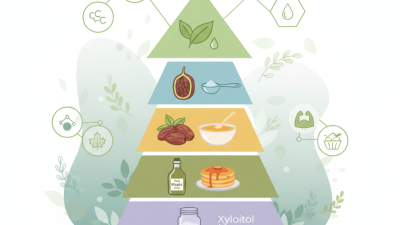
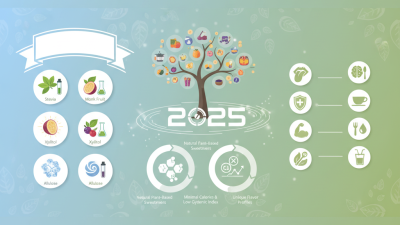
Low-Carb Dessert Ingredients Comparison
How to Substitute Stevia Confectioners Sugar in Traditional Recipes
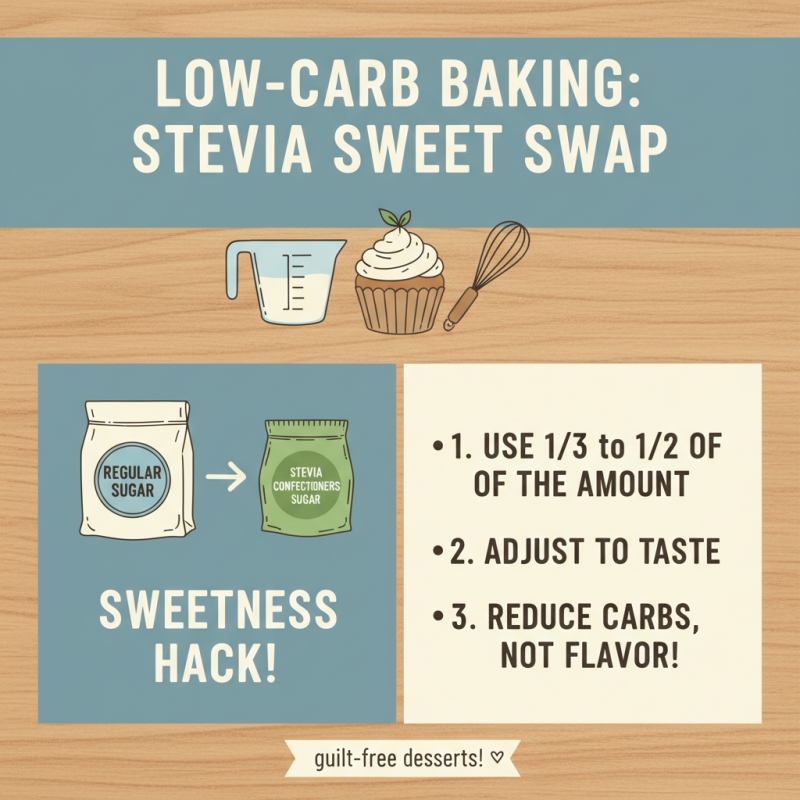
When it comes to baking traditional desserts with a low-carb twist, substituting stevia confectioners sugar for regular sugar can make a significant difference without sacrificing sweetness. Stevia confectioners sugar is typically much sweeter than regular sugar, so it’s essential to adjust the quantities used in recipes. A general rule of thumb is to use about one-third to one-half of the amount called for in the original recipe. This adjustment not only helps maintain the desired sweetness but also avoids an overpowering flavor from the stevia.
In recipes that require a sugar texture, such as cookies or cakes, stevia confectioners sugar can often be blended seamlessly without altering the overall consistency of the dessert. However, it’s important to consider the unique properties of stevia compared to traditional sugar, such as its lower impact on moisture and binding properties. Adding a bit of additional liquid or a binding agent like eggs may be necessary to achieve the right texture. When adapting classic recipes, experimentation is key—start with small batches to fine-tune the ratios and discover how the stevia interacts with other ingredients, allowing for delectable low-carb desserts that can be enjoyed by all.
Popular Low-Carb Dessert Recipes Using Stevia Confectioners Sugar
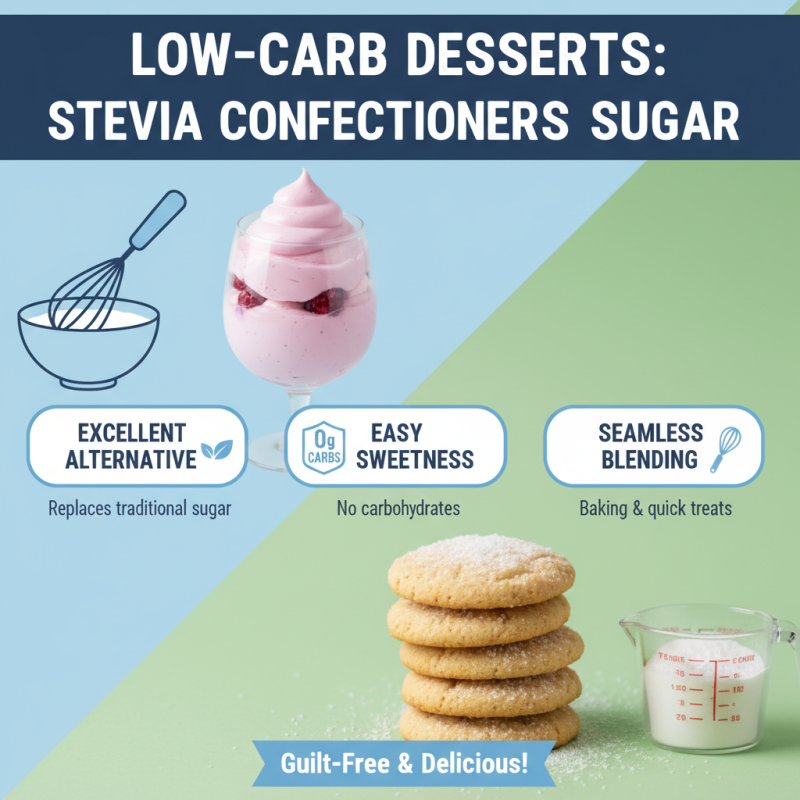
When it comes to creating delicious low-carb desserts, Stevia confectioners sugar is an excellent alternative to traditional sweeteners. This finely powdered sugar substitute makes it easy to add sweetness without the carbohydrates, perfect for those following a low-carb or ketogenic lifestyle. Whether you're baking or whipping up a quick treat, Stevia confectioners sugar blends seamlessly into recipes, enhancing flavors without the added guilt.
One popular recipe using Stevia confectioners sugar is the low-carb cheesecake. You can start with a base made of almond flour and butter, creating a rich and crumbly crust. For the filling, cream cheese, eggs, vanilla extract, and Stevia confectioners sugar mix together to create a creamy, indulgent texture that rivals traditional cheesecake. Another delightful option is chocolate mousse; simply whip heavy cream with Stevia confectioners sugar and unsweetened cocoa powder to create a light yet satisfying dessert. These recipes not only satisfy your sweet tooth but also keep your carbohydrate intake in check, making them ideal for any low-carb diet.
Tips for Storing and Using Stevia Confectioners Sugar Effectively
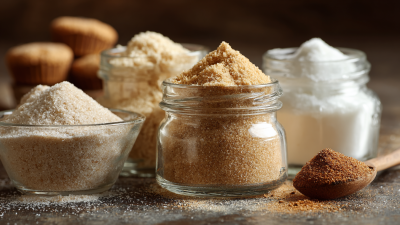
When storing Stevia confectioners sugar, it's essential to keep it in an airtight container to maintain its freshness and prevent moisture from affecting its texture. A cool, dry place is ideal, as humidity can cause clumping and spoil the fine powdery consistency that’s perfect for baking. Label the container with the date of storage, as the optimal shelf life for Stevia confectioners sugar is typically around six months, though it can last longer if stored properly.
When using Stevia confectioners sugar in your low-carb desserts, it’s important to remember that its sweetness level might vary compared to traditional sugar. A little goes a long way, so start by using half the amount of Stevia as you would with granulated sugar and adjust according to your taste preference. This can be particularly useful in recipes for cakes, cookies, and other treats where precise sweetness is crucial. Additionally, incorporate the sweetener into your recipes gradually, ensuring it blends well with other ingredients, which can elevate the overall flavor of your dessert while keeping it light and sugar-free.