How to Use Stevia Concentrated Powder for Healthier Recipes?
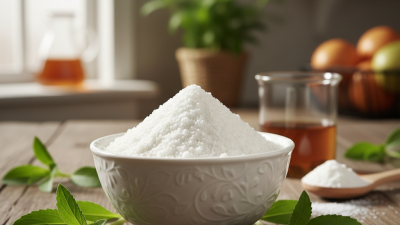
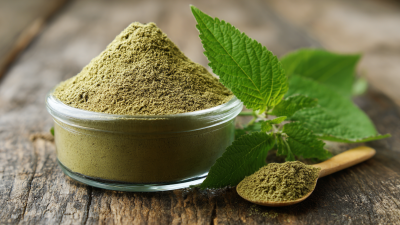
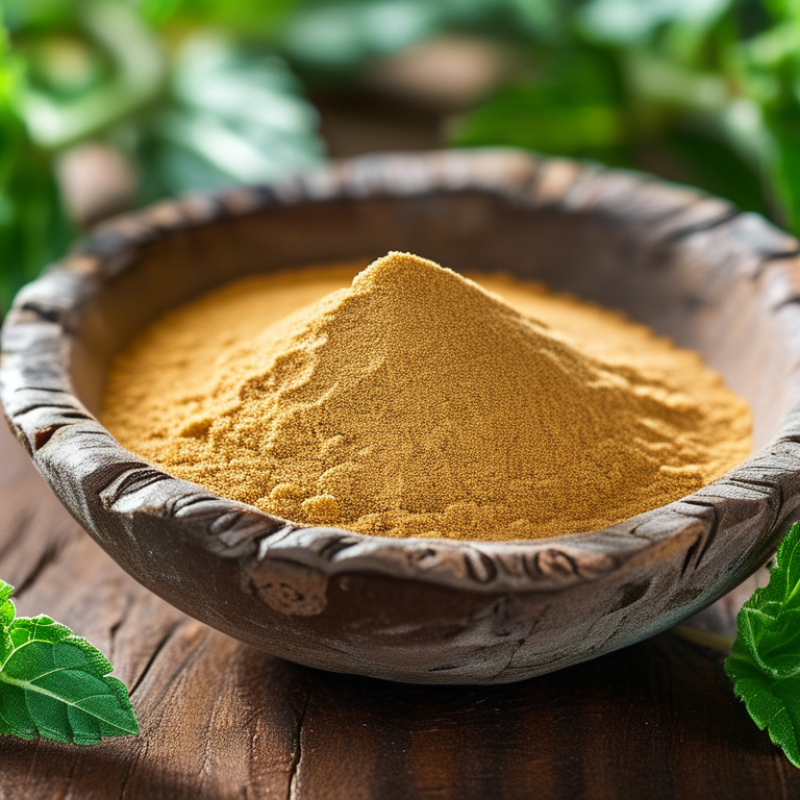
In recent years, the demand for natural sweeteners has surged. Stevia Concentrated Powder stands out as a popular choice. It is derived from the leaves of the Stevia rebaudiana plant. According to a report by the American Journal of Clinical Nutrition, about 30% of consumers now prefer non-caloric sweeteners. This shift highlights the increasing interest in healthier lifestyles.
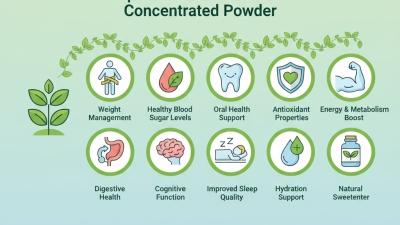
Stevia Concentrated Powder not only provides sweetness but also offers several health benefits. Research shows it does not affect blood sugar levels, making it suitable for diabetics. The National Institutes of Health have noted that stevia can help reduce calorie intake, promoting weight loss and better health. Incorporating this powder in recipes can transform traditional meals into nutritious options.
However, there are challenges. Some people notice a bitter aftertaste. This factor can complicate its use in certain recipes. It often requires experimentation to find the right balance. Understanding how to effectively use Stevia Concentrated Powder is essential for maximizing its benefits while minimizing drawbacks.
Benefits of Using Stevia Concentrated Powder in Cooking and Baking
Stevia concentrated powder is becoming a popular choice in healthier cooking and baking. This natural sweetener is derived from the leaves of the Stevia plant, known for its negligible calorie content. According to a 2020 study by the Academy of Nutrition and Dietetics, stevia can be up to 300 times sweeter than sugar. This means you need far less to achieve the desired sweetness, reducing overall calorie intake.
In addition to calorie reduction, using stevia can help with blood sugar management. Research published in the American Journal of Clinical Nutrition found that stevia does not spike blood glucose levels, making it ideal for those with diabetes. However, it's essential to experiment with recipes when substituting sugar with stevia. In some cases, it might require adjusting other ingredients to balance flavors.
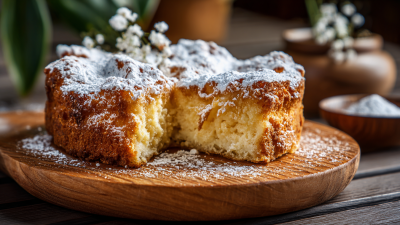
**Tip:** When baking, consider using a mix of stevia and other natural sweeteners for better texture and taste. Over-reliance on stevia may lead to unexpected flavor profiles. Test small batches until you find the right combination. Remember, while stevia is a healthier alternative, its aftertaste can be off-putting for some. Listening to feedback is key for perfecting your recipes.
How to Use Stevia Concentrated Powder for Healthier Recipes?
| Recipe Type |
Key Benefits |
Stevia Measurement |
Suggested Uses |
| Baked Goods |
Lower calories, diabetes-friendly |
1 teaspoon stevia powder for 1 cup sugar |
Muffins, cookies, cakes |
| Beverages |
No added sugars, refreshing |
1/2 teaspoon stevia for a 12 oz drink |
Tea, coffee, smoothies |
| Dressings |
Adds sweetness without calories |
1/4 teaspoon stevia for 1 cup dressing |
Salad dressings, marinades |
| Breakfast Dishes |
Healthier alternatives |
1/2 teaspoon stevia for oatmeal |
Oatmeal, pancakes, yogurt |
Nutritional Comparison: Stevia vs. Sugar and Other Sweeteners
When considering sweeteners, stevia stands out. It derives from the Stevia rebaudiana plant and is often praised for its lower calorie content. In fact, stevia is about 50 to 300 times sweeter than sugar but has virtually no calories. This makes it an appealing option for those looking to reduce their sugar intake while still enjoying sweetness in their meals.
In contrast, sugar is calorie-dense, with approximately 16 calories per teaspoon. Other sweeteners, like agave or honey, can also pack significant calories. Moreover, consuming excess sugar may lead to health issues such as obesity or diabetes. Stevia offers a solution, but it's essential to consider how it may affect flavor and texture in recipes. Some people find that stevia can have a slight aftertaste, which might alter the intended outcome of certain dishes.
Health is complex, and choosing the right sweetener may not be straightforward. Each individual reacts differently to sugar and non-nutritive sweeteners. Experimentation in the kitchen is key. Using concentrated stevia powder can be a learning curve. Finding the right amount for recipes takes patience and practice. Nevertheless, incorporating stevia can lead to delightful and healthier results over time.
Guidelines for Substituting Stevia in Traditional Recipes
When substituting stevia concentrated powder in traditional recipes, consider the conversion ratio carefully.
Stevia is much sweeter than sugar, so you’ll need significantly less. For every cup of sugar,
typically only a teaspoon of stevia is required. This variation can dramatically alter the taste and
texture of your dish. Experimentation is key; don't hesitate to adjust quantities based on personal preference.
Keep in mind that stevia may alter the moisture content of your recipe. It often lacks the bulk that sugar provides.
This can affect baked goods like cookies or cakes. Adding a bit of unsweetened applesauce or yogurt may help
maintain that desired softness.
Tips: Start with a smaller amount of stevia and gradually increase it.
Taste your mixture as you go, as stevia can have a unique aftertaste.
Additionally, remember that stevia might not caramelize like sugar.
This may require modifications in recipes where browning is essential.
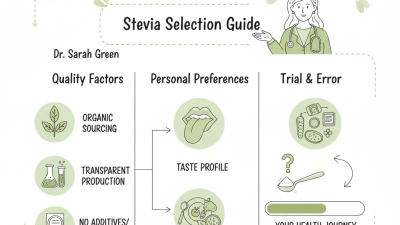
Be prepared for some trial and error, and learn from each attempt.
Cooking Techniques to Maximize Stevia’s Flavor Profile
Stevia concentrated powder offers a unique sweetness that can enhance your recipes. To maximize its flavor profile, consider the cooking techniques you use. One effective method is to blend stevia with other ingredients early in the cooking process. This allows the flavors to meld together. For instance, adding it to baking recipes can enhance the overall taste. But be cautious; too much can overshadow other flavors.
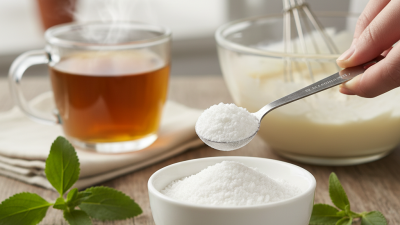
Another valuable technique is to create a stevia syrup. Simply dissolve the powder in hot water, creating a versatile sweetener. This syrup works well in beverages or as a topping. However, the sweetness is more pronounced, so start with small amounts. Keep experimenting to find the right balance for your palate.
Remember, stevia can have a unique aftertaste that not everyone enjoys. It's essential to adjust your measurements accordingly. Not all recipes will benefit from stevia equally. Be prepared to tweak your usual ratios as you explore new dishes. Enjoy the journey of discovering stevia's potential in your cooking!
Health Implications of Stevia Consumption Supported by Clinical Studies
Stevia concentrated powder is a natural sweetener derived from the leaves of the Stevia rebaudiana plant. Research indicates that consuming stevia may offer several health benefits. Clinical studies suggest that it does not raise blood glucose levels. This makes it a suitable choice for individuals managing diabetes. Many people are turning to stevia as a low-calorie option for sweetening their food.
Additionally, stevia has been linked to reduced blood pressure in some studies. This effect could be beneficial for those with hypertension. However, reactions can vary among individuals. Some users report aftertastes or digestive discomfort. It’s essential to monitor how your body responds to stevia. Personal experiences will guide whether it's a suitable sweetener for you.
Moreover, awareness of your overall diet is crucial. Stevia should complement a balanced nutrition plan. Relying solely on it for health benefits might not yield desired outcomes. Including diverse nutrients is vital for optimal well-being. Stevia can be a part of this balance but should not replace whole foods.
Health Implications of Stevia Consumption Supported by Clinical Studies