How to Use Powdered Sugar Monk Fruit in Your Favorite Recipes?
Using Powdered Sugar Monk Fruit in your favorite recipes can be a delightful experience. This natural sweetener is gaining popularity for its low-calorie count and unique taste. It is derived from monk fruit, a small green gourd native to Southern China. Many people appreciate its sweetness without the guilt associated with traditional sugar.
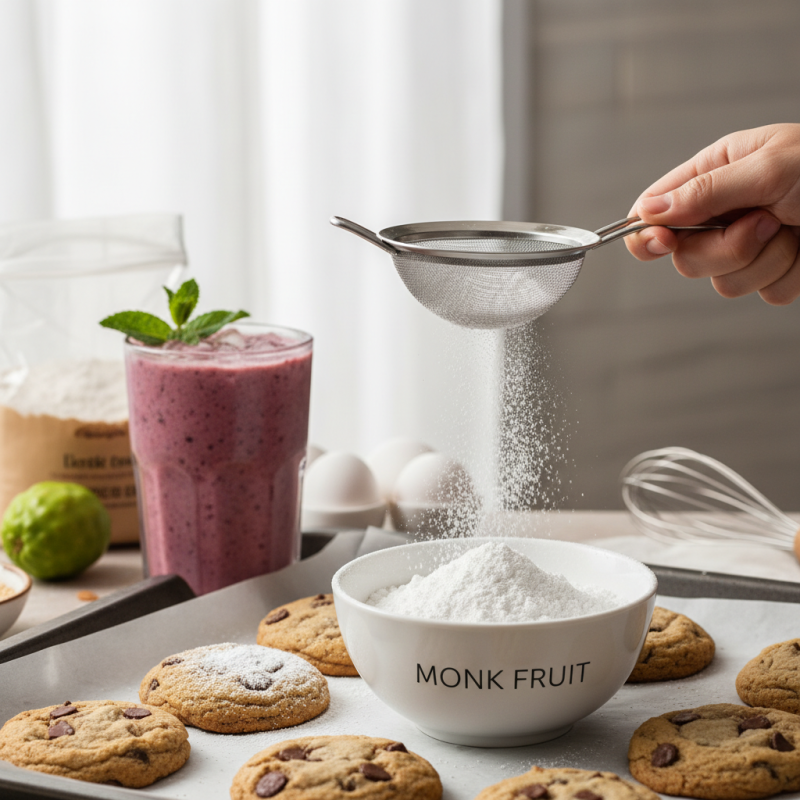
Incorporating Powdered Sugar Monk Fruit into your dishes is surprisingly simple. You can mix it into baked goods like cookies or brownies. It can also enhance beverages such as smoothies or teas. However, it is essential to note that the conversion ratio between monk fruit and sugar may vary. Experimentation is key. Finding the right amount can take time and effort.
Some may find the flavor slightly different from regular sugar. This could require adjustments in your recipes. You might not get it right the first time. Do not be discouraged if your initial attempts don’t meet expectations. Reflecting on your cooking journey can lead to the perfect balance of flavors. Enjoy the process of discovering how Powdered Sugar Monk Fruit can transform your favorite recipes.
Understanding Powdered Sugar Monk Fruit: Benefits and Uses
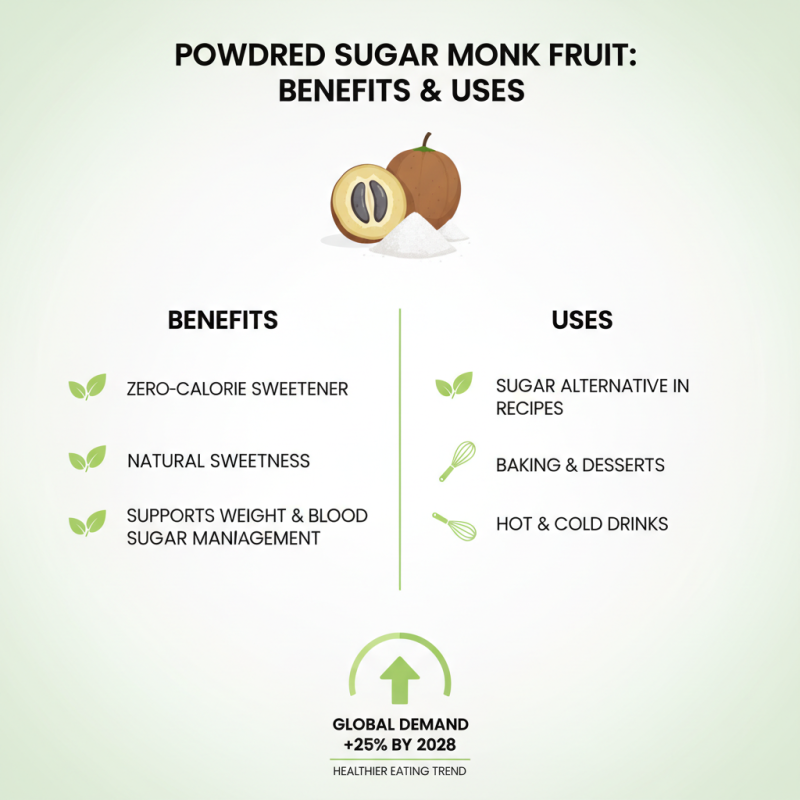
Powdered sugar monk fruit is gaining traction in the culinary world. This zero-calorie sweetener is derived from the monk fruit, known for its natural sweetness without the calories. It serves as an excellent sugar alternative for those managing their weight or blood sugar levels. A recent industry report highlights that the global demand for monk fruit is expected to grow by approximately 25% over the next five years. This increase reflects a shift towards healthier eating habits.
Using powdered sugar monk fruit in recipes is not just a trend; it’s a choice backed by research. This sweetener contains antioxidants, which can support overall health. A study published in the Journal of Agriculture and Food Chemistry found that monk fruit extract has anti-inflammatory properties. Many home bakers have reported success using it in frosting, cookies, and desserts. However, there can be challenges with texture and taste. Balancing the right amount is crucial since monk fruit can be up to 200 times sweeter than sugar.
Some prefer mixing powdered sugar monk fruit with other ingredients to achieve desired results. The blend can create a more familiar texture in baked goods. Despite its benefits, some users find that it doesn't brown like regular sugar. Experimentation is necessary. Keep in mind, every recipe may require a slight adjustment to get it just right.
Choosing the Right Recipes for Powdered Sugar Monk Fruit
When choosing recipes for powdered sugar monk fruit, focus on baked goods and desserts. These often require sweetening that balances textures and enhances flavors. Research indicates that the global sugar alternatives market is projected to reach $100 billion by 2025. This highlights the growing trend among consumers seeking healthier options.
Consider classic recipes like cookies and cakes. When using powdered monk fruit, adjust the ratios. It’s often sweeter than regular sugar. A 1:1 substitution might lead to overly sweet results. Experimenting with small batches can help you find the right balance. Not every recipe translates perfectly; some may require additional moisture or texture adjustments.
Savory dishes can also benefit from monk fruit. Sweetening sauces or dressings can elevate flavors. However, some may find the taste unfamiliar. It's crucial to taste as you go and adjust seasoning accordingly. Don’t shy away from making mistakes; they lead to better recipes. Perfecting these adjustments takes time and practice.
Measuring Powdered Sugar Monk Fruit: Tips for Accurate Usage
When incorporating powdered sugar monk fruit into your favorite recipes, measuring accurately is crucial. This sweetener offers a low-calorie alternative to regular sugar, but its potency differs. You don't want to overpower your dish or fall short.
For precise measurement, use a kitchen scale. This tool will help you avoid guesstimating. If you don't have one, scoop lightly with a spoon and level off the excess. Remember, a packed scoop doesn’t equal a proper measurement. Feel free to experiment, but be cautious.
If you’re adapting a recipe, start with less. You can always add more, but reducing the sweetness later can be tricky. Taste as you go. Not every dish will require the same amount. Pay attention. Sometimes, less is more, and a subtle sweetness can elevate your culinary creation.
Usage of Powdered Sugar Monk Fruit in Cooking
Baking with Powdered Sugar Monk Fruit: Dos and Don'ts
When using powdered sugar monk fruit in baking, there are key dos and don'ts to follow. Monk fruit sweetener is a low-calorie alternative, with studies showing a significant reduction in calories, which can help with weight management. This is especially beneficial in recipes where sugar's role is to provide sweetness. However, the conversion can be tricky. Typically, monk fruit is sweeter than sugar, often requiring adjustments.
Do measure carefully. A common mistake is using too much sweetener, which can lead to overly sweet results. Instead of one-for-one substitution, consider starting with half the amount. This ensures a balanced flavor. Don't overlook the texture. Monk fruit may not provide the same bulk as traditional sugar. This can affect the final product's density. For baked goods like cakes, add a bit of coconut flour or almond flour to maintain the moisture and structure.
Experimentation is crucial. Each recipe reacts differently. Sometimes, the flavor may not match expectations. In a study published by the Journal of Food Science, it was noted that consumer preferences can vary widely with alternative sweeteners. Embrace the learning curve. Every failed batch can lead to better adjustments in future attempts. Baking is as much an art as a science, especially when exploring new ingredients like powdered sugar monk fruit.
Enhancing Flavor: Combining Powdered Sugar Monk Fruit with Other Ingredients
When baking or cooking, combining flavors is key. Powdered sugar monk fruit can enhance many recipes. It’s a great low-calorie alternative to sugar, often favored by those seeking healthier options. According to the4857 USDA data, monk fruit offers sweetness without calories, making it an attractive choice for calorie-conscious individuals.
Mixing powdered sugar monk fruit with vanilla can create a delightful frosting. A simple recipe might involve blending it with butter, producing a smoother texture. This mixture paired with cakes or cookies can elevate their flavor. Additionally, consider adding cocoa or spices like cinnamon. These combinations can bring out unique flavor profiles, sparking creativity in the kitchen.
However, using powdered sugar monk fruit isn't always perfect. Some may find it tastes different than expected, especially if used in large amounts. Balancing sweetness with acidity can be tricky. For instance, when adding lemon juice, be cautious. If the balance isn’t right, it can overwhelm a dish. Experimentation is necessary to achieve the desired outcomes. This explorative approach might lead to mistakes, but that's where the learning happens.
How to Use Powdered Sugar Monk Fruit in Your Favorite Recipes?
| Recipe |
Main Ingredients |
Instructions |
Flavor Enhancements |
| Lemon Monk Fruit Muffins |
Flour, Eggs, Lemon Juice |
Mix ingredients, fill muffin tins, bake at 350°F for 20 minutes. |
Add a pinch of salt for enhanced flavor. |
| Chocolate Chip Cookies |
Butter, Flour, Chocolate Chips |
Cream butter with powdered sugar monk fruit, add other ingredients, bake for 15 minutes. |
Mix in vanilla extract for a richer taste. |
| Fruit Smoothie |
Banana, Spinach, Almond Milk |
Blend all ingredients until smooth. |
Add a scoop of protein powder for extra nutrition. |
| Pancakes |
Flour, Eggs, Milk |
Mix batter, cook on skillet until bubbles form. |
Top with fresh berries for added flavor and texture. |
| Yogurt Parfait |
Yogurt, Granola, Berries |
Layer yogurt, granola, and berries in a glass. |
Drizzle honey for sweetness if desired. |