What is Pure Stevia Extract Powder and Its Benefits in 2026?
In recent years, the popularity of Pure Stevia Extract Powder has surged. Many people are turning to natural sweeteners as healthier alternatives. This trend reflects a growing awareness of health and wellness.
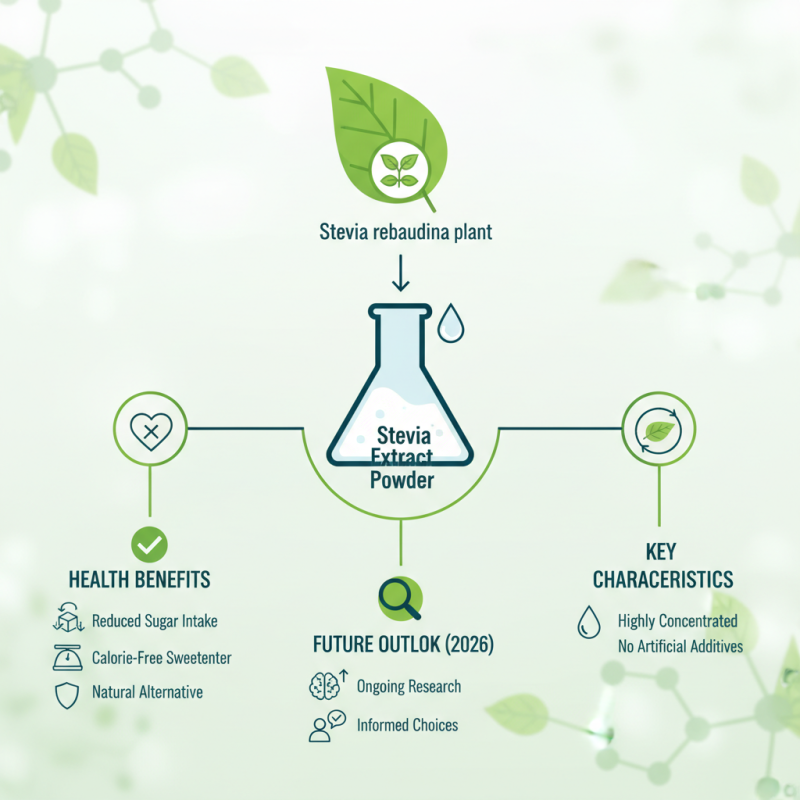
Stevia is derived from the leaves of the Stevia rebaudiana plant. It offers a sweet taste without the calories of sugar. The extract is highly concentrated, making it a powerful sweetener. Additionally, Pure Stevia Extract Powder is often free from artificial additives.
As we look to the future, understanding its benefits is crucial. Pure Stevia Extract Powder may help in reducing sugar intake. However, some still question its long-term effects on health. Therefore, ongoing research is essential. As knowledge expands, consumers can make informed choices.
Definition and Composition of Pure Stevia Extract Powder
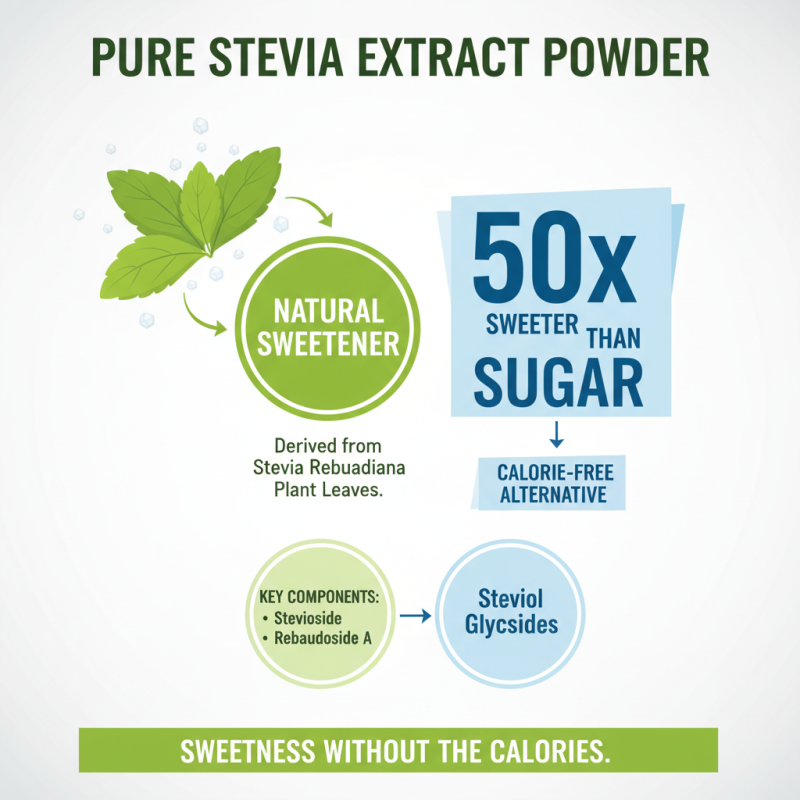
Pure Stevia Extract Powder is derived from the leaves of the Stevia rebaudiana plant. This natural sweetener is known for its high sweetness level, often exceeding 50 times that of sugar. The key components are steviol glycosides, primarily stevioside and rebaudioside A. These compounds not only offer sweetness but also provide a calorie-free alternative to traditional sugars.
Recent data shows that the demand for natural sweeteners has surged. According to a report by Grand View Research, the global stevia market is expected to reach USD 1.67 billion by 2027. This growth is attributed to increasing awareness of health issues related to sugar consumption. Many consumers are seeking healthier alternatives. Pure Stevia Extract Powder fits this demand perfectly.
Tips: When using stevia, start with small amounts. Stevia is much sweeter than sugar, so adjusting your recipes is key. Always check your product’s composition. Not all stevia products are created equal. Some may contain fillers or additives that can impact flavor or health benefits.
Historical Background of Stevia and Its Extraction Methods
Stevia has a rich historical background dating back centuries. Indigenous peoples in South America, particularly in Paraguay, used stevia leaves for sweetening various foods and beverages. This natural sweetener attracted attention in the 20th century, leading to scientific research on its extraction methods. The extraction of steviol glycosides from the leaves became a focus, as these compounds are responsible for stevia’s sweetness.
Modern extraction techniques have evolved significantly. Water extraction, enzyme-assisted processes, and solvent-based methods are commonly used today. According to recent industry reports, over 100 countries have approved stevia as a safe sweetener. Approximately 40% of stevia produced globally comes from South America. In contrast, Asia has become a leading producer due to advancements in agricultural practices. This shift raises questions about sustainability and long-term impacts.
Despite its benefits, challenges remain. Some extraction methods can lead to variations in taste and quality. Consumers may have different preferences for sweetness. Recent studies indicate that about 30% of users report dissatisfaction with stevia's aftertaste. These insights highlight the ongoing need for innovation in extraction techniques to meet consumer demand for quality.
Benefits of Pure Stevia Extract Powder in 2026
Health Benefits of Pure Stevia Extract Powder in 2026
Pure stevia extract powder achieves significant popularity in 2026. Its natural sweetness comes from the leaves of the stevia plant. This sweetener contains zero calories, making it an attractive option for health-conscious consumers. Recent studies highlight that stevia can effectively reduce blood sugar levels and improve metabolic health. According to the International Journal of Food Sciences, daily incorporation of stevia can help maintain blood glucose homeostasis.
With obesity rates rising globally, pure stevia extract presents a viable alternative to sugar. A 2026 report from the World Health Organization indicates that non-nutritive sweeteners like stevia can aid in weight management. Many individuals reported feeling satisfied with smaller portions. In addition to weight loss, studies suggest that stevia may support dental health. It does not contribute to tooth decay, making it useful for improving oral hygiene.
While stevia appears beneficial, challenges remain. Some consumers experience an aftertaste that may deter regular use. Additionally, a portion of the population might have different responses to stevia, struggling with digestive issues. Exploring these individual differences is crucial for potential users. As awareness grows, understanding both the advantages and limitations of pure stevia extract becomes essential.
Comparative Analysis: Stevia vs. Other Sweeteners
When comparing stevia to other sweeteners, it's important to look closely at their unique properties. Stevia, a plant-based sweetener, is known for its high sweetness intensity. It can be as sweet as 50 to 300 times more than sugar. This high potency means that only a small amount is needed to achieve desired sweetness. This can lead to lower calorie intake and less sugar consumption overall.
Many consumers are now drawn to stevia due to health concerns tied to artificial sweeteners. Recent reports indicate that around 30% of the population prefers natural sweeteners like stevia over sugar alcohols or synthetic options. This is indicative of a shifting mindset towards health-conscious choices. However, stevia does have its challenges. Some people experience an aftertaste. This can be a significant drawback, particularly for those unused to its flavor profile.
In contrast, sugar remains the golden standard for taste, but it comes with high calorie costs. Aspartame and sucralose, other common sweeteners, provide a similar taste but may have health implications. Studies show that about 10% of consumers report negative reactions to these artificial options. This ongoing debate shows the complexity of sweetness choices, leaving room for more exploration and understanding.
What is Pure Stevia Extract Powder and Its Benefits in 2026? - Comparative Analysis: Stevia vs. Other Sweeteners
| Sweetener |
Calories per 100g |
Glycemic Index |
Natural Source |
Taste Profile |
Health Benefits |
| Pure Stevia Extract Powder |
0 |
0 |
Stevia plant |
Sweet, slight licorice aftertaste |
May help regulate blood sugar levels |
| Granulated Sugar |
387 |
65 |
Sugarcane or sugar beet |
Sweet, no aftertaste |
High calories, potential for obesity |
| Honey |
304 |
58 |
Bee secretions |
Sweet, floral notes |
Antioxidants, may soothe sore throats |
| Agave Nectar |
310 |
15 |
Agave plant |
Sweet, subtle taste |
Low glycemic index |
| Aspartame |
4 |
0 |
Synthetic |
Sweet, no caloric value |
Controversial health effects |
Potential Side Effects and Considerations for Use
Pure stevia extract powder is gaining attention for its potential health benefits. However, it's crucial to examine potential side effects and considerations before use. Research indicates that stevia is safe for most people when consumed in moderate amounts. The World Health Organization suggests an acceptable daily intake of 4 mg per kg of body weight. Yet, some users report digestive discomfort or allergic reactions.
Another concern is the impact on blood sugar levels. Stevia has minimal effect on glucose, making it attractive for diabetics. Nevertheless, individual responses can vary. Some individuals may experience fluctuations in their blood sugar, leading to uncertainty. Additionally, the long-term effects of regular consumption remain under-researched, prompting a need for caution.
Stevia can alter taste preference over time. Users might find it challenging to adjust back to sugar after prolonged use. The potential for developing a dependency on sweetness is noteworthy. Continuous reassessment of intake is advisable, especially among those with pre-existing health conditions. Awareness and moderation remain essential when incorporating pure stevia extract powder into diets.