What is Powdered Stevia For Baking and How to Use It Effectively
The increasing demand for healthier alternatives to traditional sweeteners has given rise to numerous options, with powdered stevia for baking emerging as a popular choice among health-conscious consumers. According to a report by Market Research Future, the global stevia market is projected to reach approximately USD 700 million by 2025, driven by the rising awareness of the health risks associated with excessive sugar consumption and the demand for low-calorie sweeteners. This shift in consumer preferences highlights the significant role that powdered stevia can play in modern baking applications, offering a natural source of sweetness without the calories.
Powdered stevia for baking not only provides an effective sugar substitute, but it also boasts numerous health benefits. Recent studies indicate that stevia may help regulate blood sugar levels, making it a suitable option for diabetics and those seeking to manage their glycemic index. Furthermore, its high-intensity sweetness means that less product is required to achieve the desired flavor profile, allowing bakers to create delicious treats while minimizing caloric intake. As more individuals seek to incorporate healthier ingredients into their recipes, understanding how to use powdered stevia effectively will be crucial for achieving the perfect balance of taste and nutrition in baked goods.
What is Powdered Stevia and Its Benefits for Baking
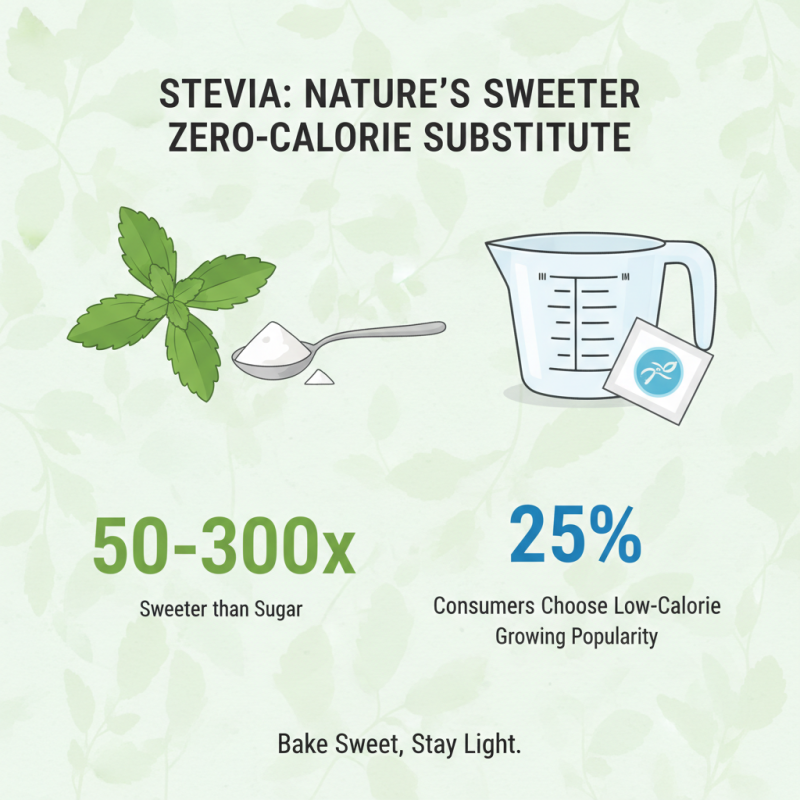
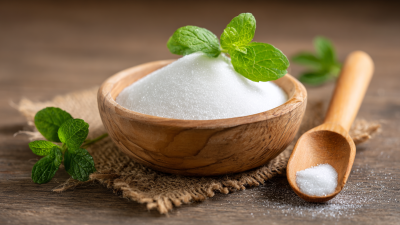
Powdered stevia, derived from the leaves of the Stevia rebaudiana plant, is an increasingly popular sugar substitute in baking due to its natural sweetness and zero-calorie content. Studies have shown that stevia is approximately 50 to 300 times sweeter than sugar, meaning you can use much less of it to achieve the desired sweetness in your baked goods. This makes it particularly appealing for those looking to reduce their caloric intake without sacrificing flavor. According to the International Food Information Council, the use of non-nutritive sweeteners like stevia has risen significantly, with around 25% of consumers actively seeking low-calorie options.
In baking, powdered stevia can enhance not only sweetness but also provide potential health benefits. It has a glycemic index of zero, making it a safe alternative for people with diabetes or those monitoring their blood sugar levels. Additionally, some research suggests that stevia may possess antioxidant properties. A report published in the Journal of Food Science highlights that when properly incorporated, stevia can perform well in recipes including cakes, cookies, and muffins, often yielding a moist texture. However, bakers should be mindful of its unique aftertaste and adjust the amount used based on the intensity of sweetness desired, ensuring a well-balanced final product.
Nutritional Profile: Comparing Powdered Stevia and Traditional Sweeteners
When comparing powdered stevia to traditional sweeteners, it is essential to consider their nutritional profiles. Powdered stevia, derived from the leaves of the Stevia rebaudiana plant, stands out as a zero-calorie sweetener. This feature makes it particularly appealing for those looking to reduce caloric intake while still enjoying sweetness in their food.
Unlike traditional sweeteners, such as table sugar or honey, which add significant calories and can impact blood glucose levels, stevia provides a naturally sweet taste without the same physiological effects.
Moreover, powdered stevia has a negligible glycemic index, making it a suitable option for individuals managing diabetes or those monitoring their blood sugar levels. In contrast, high-calorie sweeteners can lead to spikes in insulin and can contribute to weight gain when consumed in excess.
Stevia’s unique compounds, known as steviosides, offer sweetness that is many times stronger than sugar, allowing for smaller amounts to achieve the desired sweetening effect. Consequently, this makes powdered stevia not only a low-calorie alternative but also a more nutrient-dense choice in comparison to conventional sugar, which lacks vitamins and minerals.
Effective Measurement: How to Substitute Powdered Stevia in Recipes
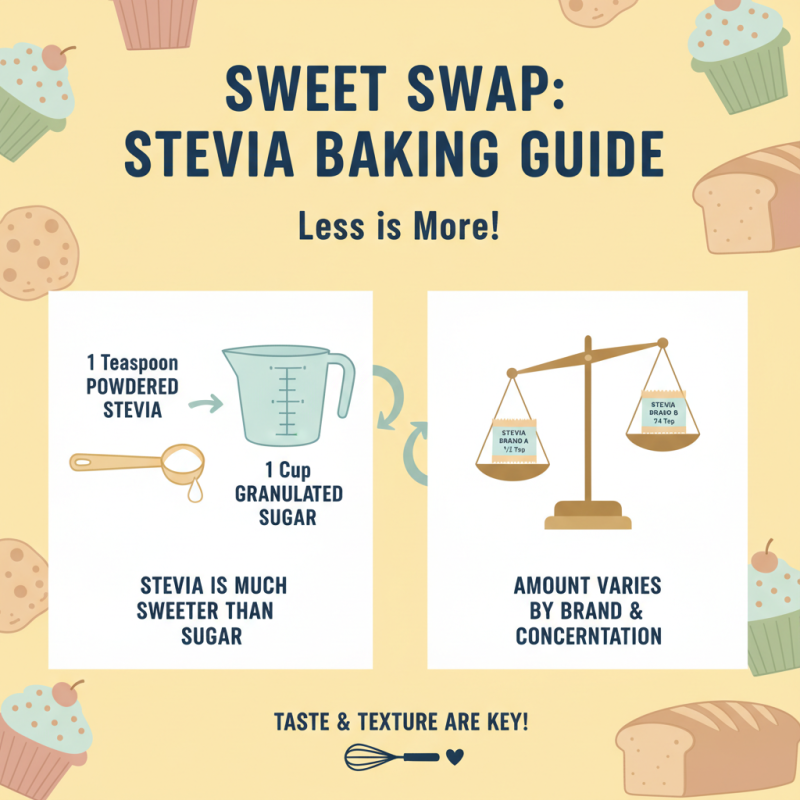
When substituting powdered stevia in baking, understanding the right measurements is crucial for achieving the desired taste and texture in your treats. Stevia is significantly sweeter than sugar, which means that only a small amount is needed to match the sweetness of traditional sugar. A general guideline is that one teaspoon of powdered stevia can replace about one cup of sugar; however, this can vary depending on the brand and concentration of stevia.
To effectively use powdered stevia in your recipes, it's important to consider the other ingredients involved. Since stevia lacks the bulk and moisture that sugar provides, you may need to adjust your recipe to account for this difference. One common practice is to include a bulking agent, such as applesauce or yogurt, to maintain the texture of the final product. Additionally, increasing the liquid components in your recipe can help achieve the right consistency. Finally, remember to taste your batter or dough as you mix to ensure you achieve the sweetness level you desire, allowing you to make any necessary adjustments before baking.
Baking Techniques: Maintaining Texture and Flavor with Stevia
When it comes to baking with powdered stevia, one key challenge is maintaining the texture and flavor of the final product. Unlike traditional sugars, which provide bulk and contribute to the Maillard reaction during baking, stevia is a zero-calorie sweetener derived from the leaves of the Stevia rebaudiana plant. A study published in the "Journal of Food Science" shows that using stevia can reduce sugar content by up to 75% in various recipes, but adjustments in other ingredients are crucial to mimic the desired texture and mouthfeel.
To achieve the best results, bakers can combine stevia with bulking agents like applesauce or yogurt to replace the volume lost when sugar is reduced. Moreover, it is essential to adjust baking times and temperatures, as stevia can brown differently from sugar due to its unique chemical properties. Research indicates that cakes made with stevia require a slightly lower baking temperature and reduced baking time to prevent overbaking, thus preserving their moisture and tenderness. Proper measurement of the amount of stevia used is also crucial, as it is significantly sweeter than sugar—generally, a conversion ratio of 1 teaspoon of stevia per cup of sugar is recommended for most recipes.
Using powdered stevia effectively in baking not only helps in reducing calories but also allows for creative variations of traditional recipes without compromising on taste. Adapting techniques and paying close attention to ingredient balances can lead to successful baking outcomes that satisfy both sweetness cravings and dietary goals.
Effectiveness of Powdered Stevia in Baking
This chart illustrates the effectiveness of powdered stevia compared to traditional sugar in various baking parameters such as sweetness level, texture retention, and flavor balance. The data is based on common baking practices.
Safety and Health Considerations: Understanding Stevia's Impact on Nutrition
Understanding the safety and health implications of using powdered stevia for baking is crucial, especially for individuals seeking healthier alternatives to sugar. Stevia, derived from the leaves of the Stevia rebaudiana plant, contains zero calories and has been reported to be over 50 times sweeter than sucrose. A study published by the European Food Safety Authority suggests that steviol glycosides, the active compounds in stevia, are safe for consumption and can be integrated into various dietary regimens, including those for diabetics. Its unique properties make it an appealing option for those monitoring their sugar intake or caloric consumption.
However, while stevia is generally regarded as safe, certain individuals may experience adverse effects. Research from the Institute of Food Technologists highlights the importance of moderation. High doses could lead to gastrointestinal discomfort in some cases. Additionally, some studies have suggested that high consumption of stevia may impact blood pressure levels and metabolic processes, emphasizing the need for further research. As with any sweetener, it is advisable for users to monitor their response to stevia and adjust their consumption accordingly. Understanding these health considerations allows consumers to use powdered stevia effectively while prioritizing their nutritional requirements.