Top Natural Sources of Erythritol You Should Know About
Erythritol, a sugar alcohol widely recognized for its low-calorie sweetness, has gained significant traction as an alternative sweetener in the health-conscious community. According to recent industry reports, the global erythritol market is projected to grow substantially, driven by an increasing demand for natural sweetening alternatives that cater to keto, diabetic, and weight management diets. Notably, erythritol boasts a glycemic index of zero, making it an attractive option for those looking to reduce sugar intake without compromising on taste.
Understanding the natural sources of erythritol is pivotal for consumers and manufacturers alike. Found in various plants and fermented foods, erythritol can be derived from sources such as fruits (including melons and grapes), fermented foods, and even some mushrooms. The discovery and utilization of erythritol’s natural sources align with the growing trend of clean label products, where transparency and simplicity in ingredient sourcing are increasingly important to consumers. As awareness around the health benefits and versatile applications of erythritol continues to expand, exploring its natural sources becomes essential for harnessing its full potential in food and beverage formulations.

Top Natural Sources of Erythritol You Should Know About
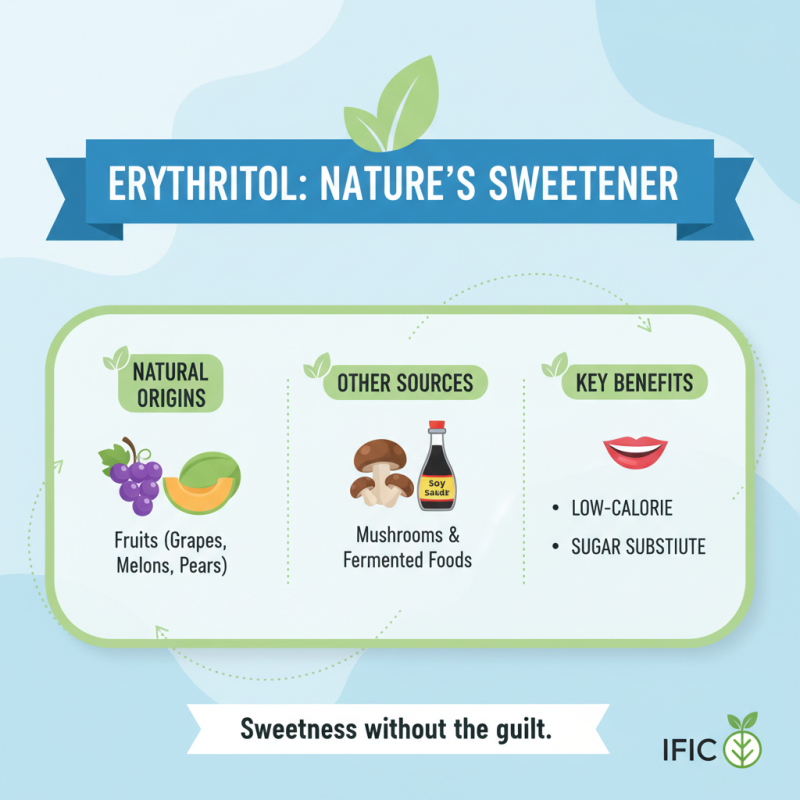
Erythritol has gained popularity as a sugar substitute due to its natural origins and low-calorie content. This sugar alcohol is found in various fruits and fermented foods. Key natural sources include fruits such as grapes, melons, and pears, which naturally contain erythritol in modest amounts. Additionally, foods like mushrooms and fermented products, including certain types of soy sauce, can also be sources of this sweetener. According to the International Food Information Council, erythritol can be found in various plants and has been identified as a low-impact sweetener preferred by those looking to reduce sugar intake without sacrificing sweetness.
When considering incorporating erythritol from natural sources into your diet, it's useful to remember a few tips. First, opt for whole fruits over processed forms to maximize the nutritional benefits while enjoying the natural sweetness. Second, moderation is key; while erythritol is low in calories, overconsumption can lead to digestive discomfort for some individuals. Lastly, explore various recipes that utilize these natural sources to add diversity to your meals and snacks.
While erythritol is naturally present, extraction methods are also employed in producing it as a sweetener. A report from the U.S. Department of Agriculture highlighted that the bioconversion of sugars from such plants can yield significant amounts of erythritol, making it a viable alternative in the food industry. As interest in healthy eating rises, understanding the natural sources of erythritol can empower consumers to make informed dietary choices.
Understanding Erythritol: Overview and Health Benefits
Erythritol is a naturally occurring sugar alcohol that has gained popularity as a low-calorie sweetener, especially among health-conscious consumers. With zero calories and a glycemic index of 0, it is an excellent option for individuals looking to reduce their sugar intake without sacrificing sweetness. According to the Journal of Agricultural and Food Chemistry, erythritol boasts approximately 70% of the sweetness of sucrose while being nearly calorie-free, making it an alluring alternative for both diabetics and those on a ketogenic diet.
Research has shown that erythritol may offer several health benefits beyond being a sugar substitute. It has been found to have antioxidant properties, with studies indicating that it can reduce oxidative stress in the body. The American Diabetes Association highlights that erythritol does not cause spikes in blood glucose or insulin levels, making it a safe option for managing diabetes. Furthermore, the consumption of erythritol has been linked to improved dental health, as it does not contribute to tooth decay, unlike traditional sugars.
Tips: When incorporating erythritol into your diet, start with small amounts to assess your tolerance, as excessive consumption can lead to gastrointestinal discomfort. Additionally, consider blending it with other natural sweeteners for a more complex flavor profile. Remember to check food labels, as many packaged products may contain erythritol along with other sugar alcohols, which can affect your overall intake.
Key Fruits That Naturally Contain Erythritol: Insights from Recent Studies
Erythritol, a sugar alcohol known for its low-calorie content, is naturally present in various fruits. Recent studies have highlighted some of the key fruits that contain this beneficial compound, making them an excellent choice for those looking to reduce sugar intake without sacrificing sweetness. Among these, melons, particularly cantaloupes and watermelons, stand out as popular sources. Both of these fruits not only provide hydration but also contribute small amounts of erythritol, making them delicious and health-conscious options.
Another intriguing source is grapes, which, along with their rich nutrient content, also contain erythritol. These small, juicy fruits are not only satisfying but may also enhance overall fruit consumption due to their naturally sweet flavor. Additionally, certain fruits such as pears and avocados have been found to contain erythritol in measurable amounts, offering versatility and health benefits in various diets. Incorporating these fruits into your daily meals can provide a natural way to enjoy sweetness while benefiting from erythritol's unique properties.
Top Natural Sources of Erythritol - Key Fruits That Naturally Contain Erythritol
| Fruit |
Erythritol Content (g per 100g) |
Other Key Nutrients |
Benefits |
| Watermelon |
0.4 |
Vitamins A, C |
Hydration, Antioxidant properties |
| Pineapple |
0.5 |
Bromelain, Vitamin C |
Digestive aid, Anti-inflammatory |
| Grapes |
0.2 |
Vitamins C, K |
Heart health, Antioxidant effects |
| Kiwi |
0.4 |
Vitamin C, Fiber |
Boosts immune system, Aids digestion |
| Avocado |
0.3 |
Healthy fats, Vitamins E, K |
Heart health, Nutrient absorption |
Comparison of Erythritol Levels in Common Natural Sources
Erythritol is a sugar alcohol that is naturally found in various sources, celebrated for its low-calorie content and ability to mimic the sweetness of sugar. Among the most notable natural sources of erythritol are fruits such as melons, grapes, and pears. These fruits contain modest amounts of erythritol, making them appealing choices for those seeking to incorporate natural sweeteners into their diets. For instance, watermelon, alongside providing hydration, offers a subtle sweetness attributed to its erythritol content.
In addition to fruits, certain fermented foods also contain erythritol. Foods such as sake and wine can be significant sources due to the fermentation process, which can result in naturally elevated levels of this sugar alcohol. Moreover, specific mushrooms and algae are known for their erythritol concentrations. These natural sources not only enhance the flavor profile of various dishes but also contribute to the overall health benefits associated with erythritol, providing a sweet taste without the accompanying calories found in traditional sugars. Understanding the erythritol levels in these everyday foods can help individuals make informed choices in their dietary preferences.
Exploring Natural Erythritol Production from Fermentation Processes
Erythritol, a naturally occurring sugar alcohol, is gaining popularity as a low-calorie sweetener. Its production through fermentation processes involves using specific microorganisms to convert sugars into erythritol. This method typically utilizes plant-based sources such as corn, wheat, or sugar beets, which serve as the primary feedstocks. The fermentation process generally involves culturing yeast or certain types of fungi that have the ability to metabolize glucose and other carbohydrates effectively, thereby producing erythritol as a byproduct.
One of the benefits of erythritol produced through fermentation is its sustainable approach. By using renewable resources, producers can reduce their carbon footprint while providing a healthier alternative to artificial sweeteners. For those interested in trying erythritol, it's essential to focus on the purity and source. Look for erythritol derived from non-GMO plants to ensure a more natural product and support sustainable agricultural practices.
Tips: When incorporating erythritol into your diet, start with small quantities to see how your body reacts, as some individuals may experience digestive discomfort. Remember that erythritol is about 70% as sweet as sugar, so you might need to adjust the amount you use in recipes. Additionally, explore combining it with other natural sweeteners for a more complex flavor profile.
Conclusion
Erythritol is a sugar alcohol gaining popularity due to its health benefits, including low-calorie content and low glycemic index. Understanding Erythritol Natural Sources is crucial for those looking to incorporate this sweetener into their diets. Recent studies highlight several key fruits that naturally contain erythritol, such as pears and melons, showcasing variances in erythritol levels across different sources.
Additionally, the article delves into the fermentation processes that contribute to natural erythritol production, providing insights into its sustainable manufacturing. With increasing consumer demand for healthier sweetening options, market trends reflect a growing interest in erythritol as a viable alternative to traditional sugars. This comprehensive overview emphasizes the significance of natural erythritol sources and their role in dietary choices.