Top 5 Healthy Alternatives to Erythritol You Should Try Today
As the quest for healthier sweeteners continues, many consumers are exploring various options that serve as an effective alternative to erythritol. According to Dr. Emily Clark, a recognized expert in nutritional science, “Finding a viable alternative to erythritol can help individuals maintain their dietary goals without sacrificing sweetness.” Her insights shed light on the growing trend of sugar substitutes that provide the desired taste while minimizing health risks associated with traditional sweeteners.
With increasing awareness of the effects of sugar and sugar alcohols on health, the search for suitable erythritol alternatives has never been more relevant. This rising demand has led to the emergence of several innovative ingredients that not only replicate the sweetness but also offer additional health benefits. Whether you’re reducing sugar intake or managing calorie consumption, understanding your options can empower you to make better dietary choices.
In this article, we will explore the top five healthy alternatives to erythritol that you should consider incorporating into your diet today. Each of these substitutes presents unique attributes that cater to different taste preferences and nutritional needs, ensuring that you can enjoy sweetness guilt-free.
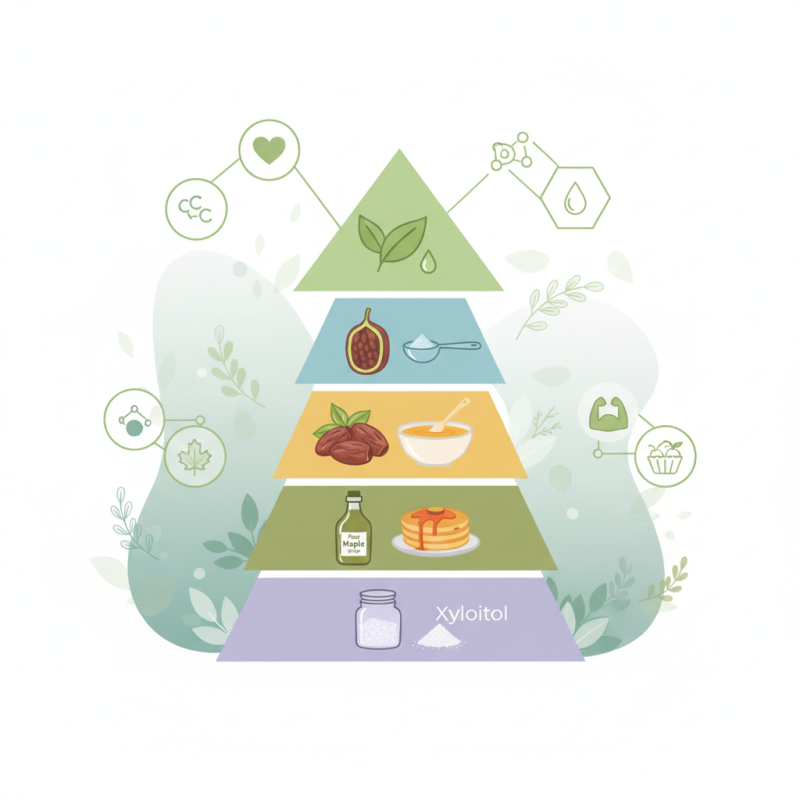
Understanding Erythritol: What It Is and How It’s Used
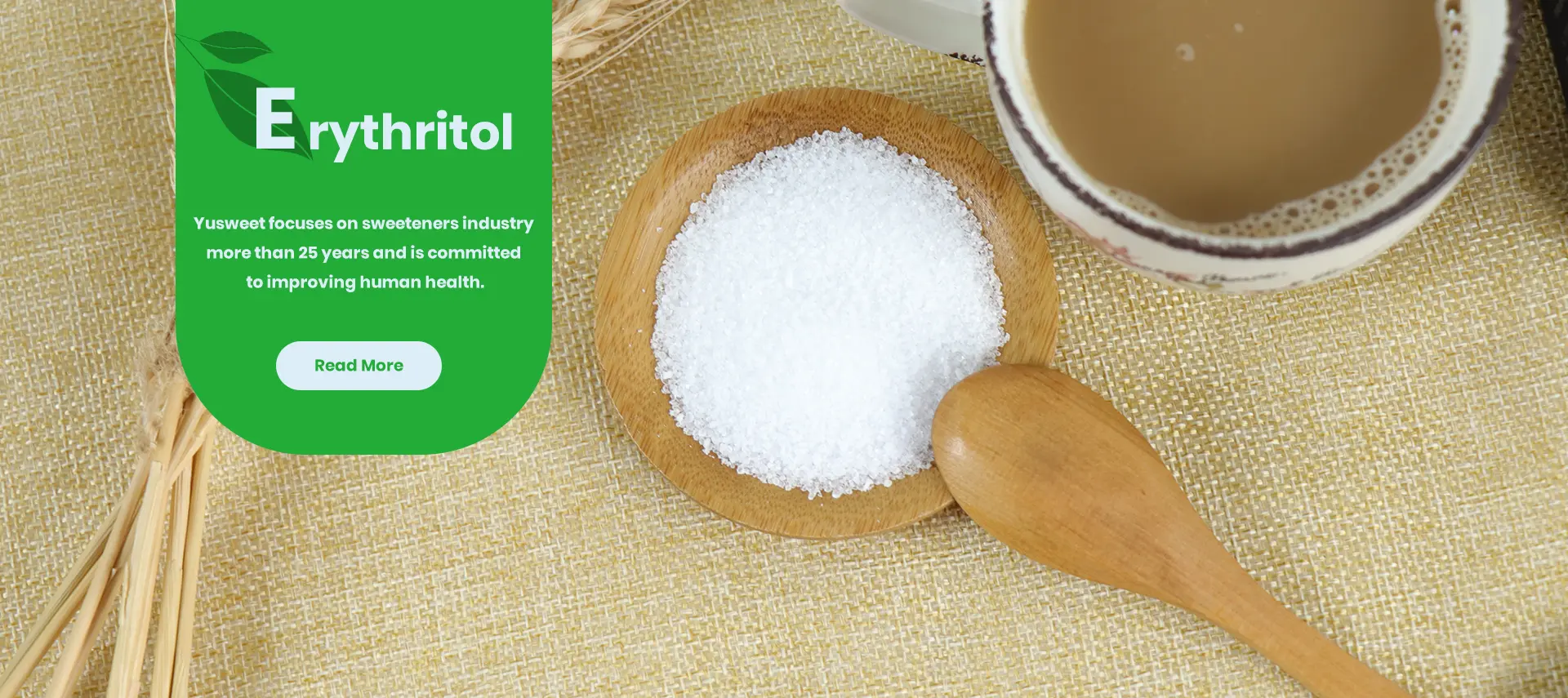
Erythritol is a sugar alcohol commonly used as a low-calorie sweetener.
It is naturally found in certain fruits and fermented foods but is primarily synthesized for use in various food products.
With a sweetness level about 70% that of sucrose, erythritol offers a sweet taste without the calories associated with traditional sugar,
making it popular among those seeking to reduce sugar intake or manage their weight.
It has gained traction in the health-conscious community as a suitable alternative for sweetening beverages, desserts, and other culinary creations.
Erythritol is known for having a minimal impact on blood sugar levels, which appeals to diabetics and those monitoring their glucose intake.
It is absorbed into the bloodstream but is largely excreted unchanged through urine, which contributes to its low-calorie nature.
Moreover, erythritol has been found to be less likely to cause digestive discomfort compared to other sugar alcohols,
making it a more tolerable option for many individuals. However, some people may still experience mild digestive issues when consuming it in large amounts.
Understanding how erythritol works and its benefits is essential for anyone considering incorporating it into their diet,
particularly when exploring healthier alternatives to conventional sweeteners.
The Importance of Healthy Sugar Alternatives for Better Health
When it comes to maintaining a healthy lifestyle, the importance of finding suitable sugar alternatives cannot be overstated. Traditional sugars can lead to various health issues, including obesity and diabetes, making it essential to explore healthier options. By incorporating alternatives like stevia, monk fruit, or allulose, individuals can enjoy sweetness without the excess calories or insulin spikes associated with refined sugars. These options not only provide a satisfying taste but also offer potential health benefits, paving the way for a balanced diet.
Tips for successfully integrating healthy sugar alternatives into your diet include starting with small adjustments. Swap out sugar in your morning coffee or oatmeal with a natural sweetener, and progressively reduce your sugar intake from desserts. Experiment with baking recipes that utilize these alternatives to discover how they can seamlessly fit into your favorite treats. Additionally, keeping an eye on portion sizes is crucial; even healthier alternatives can lead to overconsumption if not mindful.
Another helpful tip is to read ingredient labels carefully. Many processed foods marketed as “sugar-free” or “low-calorie” can contain other unhealthy additives. By focusing on whole, unprocessed ingredients, you can create meals that are not only delicious but also nutritious. Embracing these sugar alternatives is a step toward a healthier lifestyle, empowering you to make informed choices that benefit your overall well-being.
Top 5 Healthy Alternatives to Erythritol You Should Try Today
| Alternative Sweetener |
Calories per 100g |
Glycemic Index |
Natural Source |
Health Benefits |
| Stevia |
0 |
0 |
Stevia Plant Leaves |
May reduce blood sugar levels |
| Monk Fruit Sweetener |
0 |
0 |
Monk Fruit |
Antioxidant properties |
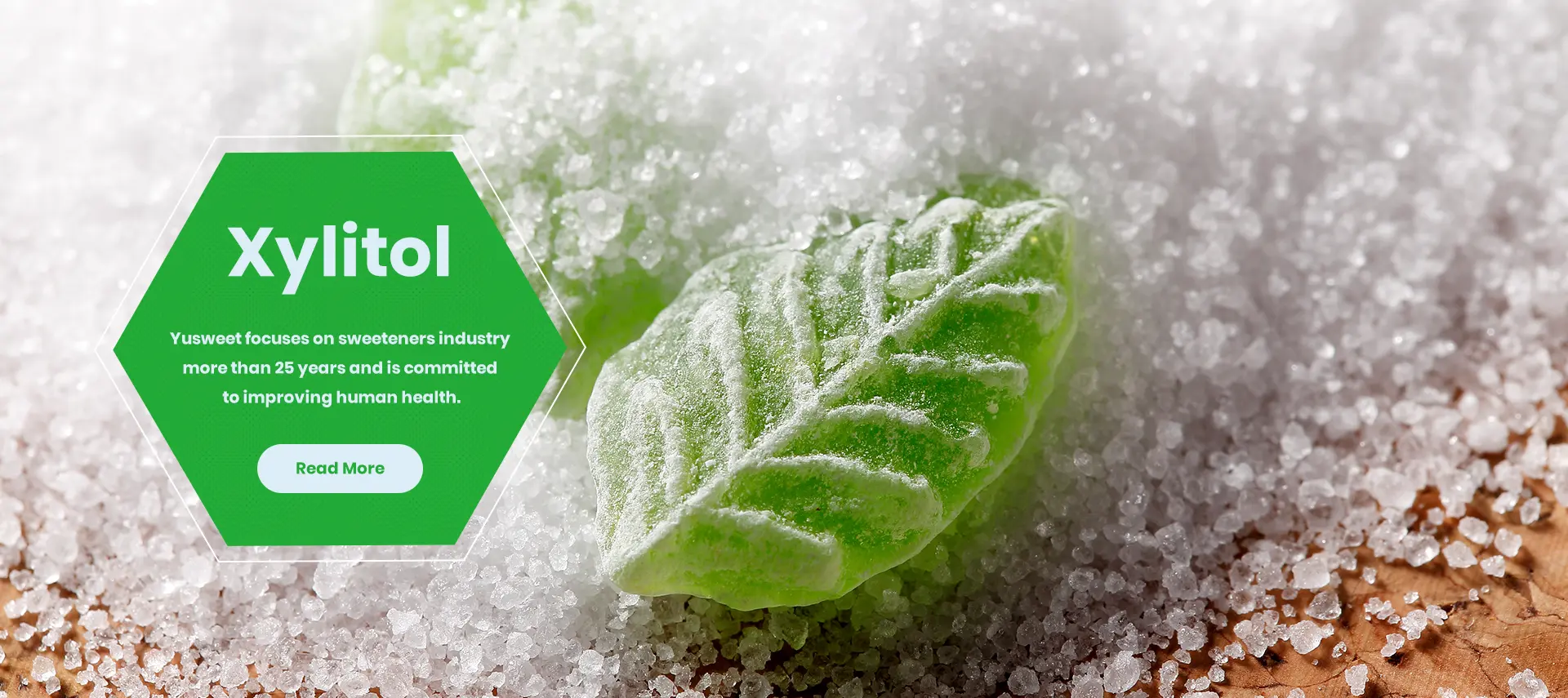
| Xylitol |
240 |
7 |
Birch Trees |
Good for dental health |
| Allulose |
10 |
0 |
Fruits like figs and raisins |
May help in weight management |
| Yacon Syrup |
75 |
1 |
Yacon Root |
Good for digestion |
Top 5 Healthy Alternatives to Erythritol: Overview of Options
Erythritol is a popular sugar substitute known for its low calorie content and minimal glycemic impact. However, some individuals seek alternatives due to digestive issues or a preference for natural sweeteners. According to a recent market report by Mordor Intelligence, the global natural sweeteners market is projected to reach USD 1.2 billion by 2025, indicating a growing demand for healthier options. This shift encourages consumers to explore various alternatives that can provide sweetness without compromising health.
One significant alternative to consider is monk fruit extract, which has gained traction for its intense sweetness and zero calories. A study published in the Journal of Food Science highlighted that monk fruit not only provides a natural sweetness but also contains antioxidants, offering additional health benefits compared to other sweeteners. Another option is stevia, which is derived from the leaves of the Stevia rebaudiana plant. Research from the International Journal of Food Science and Nutrition points out that stevia can help improve blood sugar levels and reduce overall calorie intake, making it a robust candidate for those looking for healthier sugar substitutes.
Additionally, allulose is emerging as a noteworthy alternative that mimics the taste and texture of sugar while boasting low calories and negligible effects on blood glucose. According to the calorie-free sweetener market analysis by the Food and Drug Administration, allulose can provide consumers with a versatile sweetening option that aligns well with low-carb and ketogenic diets. As health-conscious consumers continue to seek effective sugar alternatives, exploring these top contenders can lead to powerful dietary enhancements.
Top 5 Healthy Alternatives to Erythritol
In-Depth Analysis of Each Alternative: Benefits and Drawbacks
When considering healthier alternatives to erythritol, it’s essential to look at the benefits and drawbacks of each substitute. One popular option is monk fruit sweetener, which offers a natural sweetness without calories. Its antioxidants provide additional health benefits, although some may find its taste slightly different from typical sugars. However, sourcing quality monk fruit extract can be a challenge, and it may not be as readily available as other sweeteners.
Another alternative is stevia, derived from the leaves of the Stevia rebaudiana plant. Stevia has zero calories and doesn't impact blood sugar levels, making it suitable for those managing diabetes. However, some users report a bitter aftertaste, which can be off-putting. Furthermore, the quality of different stevia products can vary significantly, impacting both flavor and sweetness perception. Exploring these alternatives can provide healthier options for those looking to reduce their intake of erythritol while still satisfying their sweet tooth.
How to Incorporate Healthy Sweeteners into Your Diet Effortlessly
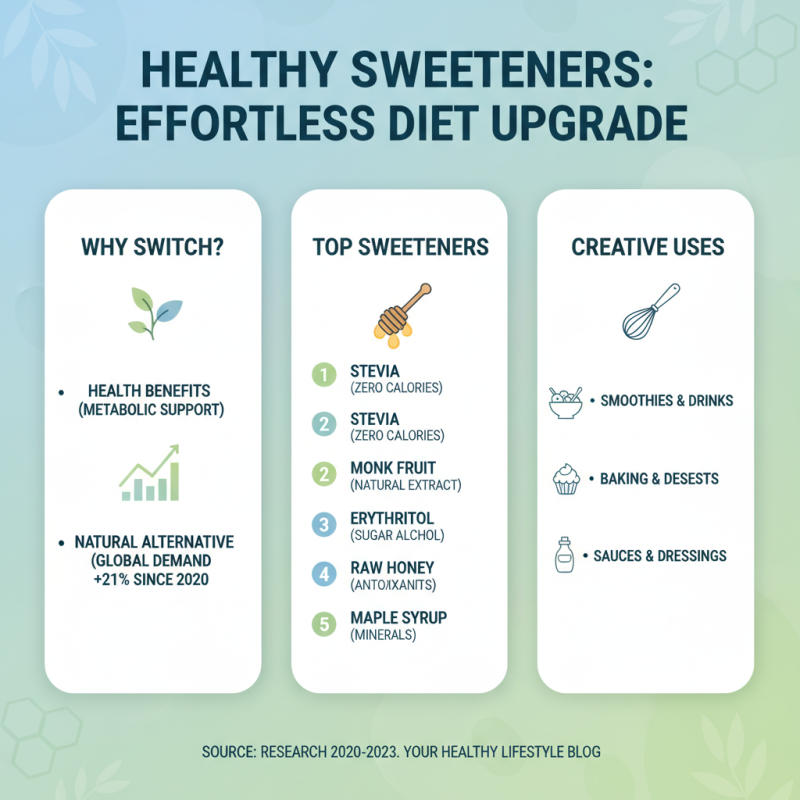
Incorporating healthy sweeteners into your diet can be done effortlessly by understanding their benefits and finding creative ways to use them in everyday meals. Recent studies indicate that the global demand for natural sweeteners has surged by 21% since 2020, as more people seek alternatives to traditional sugars and artificial sweeteners. This shift not only caters to health-conscious consumers but also addresses concerns regarding metabolic health, with research highlighting that excessive sugar intake is linked to obesity and diabetes.
One effective way to include healthy sweeteners such as stevia, monk fruit, or coconut sugar in your daily routine is through simple food substitutions. For instance, when baking, you can replace half the sugar in your recipes with stevia or monk fruit sweetener, which have a glycemic index of zero, helping to maintain stable blood sugar levels. Additionally, adding a teaspoon of coconut sugar to your morning coffee or tea can enhance flavor while providing trace minerals like potassium and magnesium. According to a 2022 report by the World Health Organization, reducing sugar consumption can lower the risk of lifestyle diseases, reinforcing the importance of exploring these alternatives in a healthy diet. By making small, intentional changes, you can manage your sweetener intake without sacrificing taste, paving the way for a healthier lifestyle.