Top 10 Differences Between Erythritol and Xylitol for Health Benefits
In recent years, low-calorie sweeteners have gained immense popularity as health-conscious consumers seek alternatives to traditional sugar. Among these substitutes, erythritol and xylitol stand out due to their unique health benefits and taste profiles. Both belong to the polyol class of carbohydrates and offer significant advantages, particularly for individuals managing blood sugar levels. According to a report by the International Journal of Obesity, the demand for low-calorie sweeteners is expected to grow at a compound annual growth rate (CAGR) of 4.8% from 2020 to 2027, highlighting the increasing consumer interest in products like erythritol and xylitol.
However, many people often confuse erythritol and xylitol, wondering if erythritol is the same as xylitol. While they share some similarities, such as being naturally occurring and having a lower caloric content than sugar, their differences can lead to varied health outcomes. A study published in the Journal of Nutrition found that erythritol has a glycemic index of 0, making it an excellent option for diabetics, while xylitol has a moderate glycemic response. By examining the top 10 differences between these two sweeteners, consumers can make informed choices about their use in daily diets, further promoting better health and wellness.
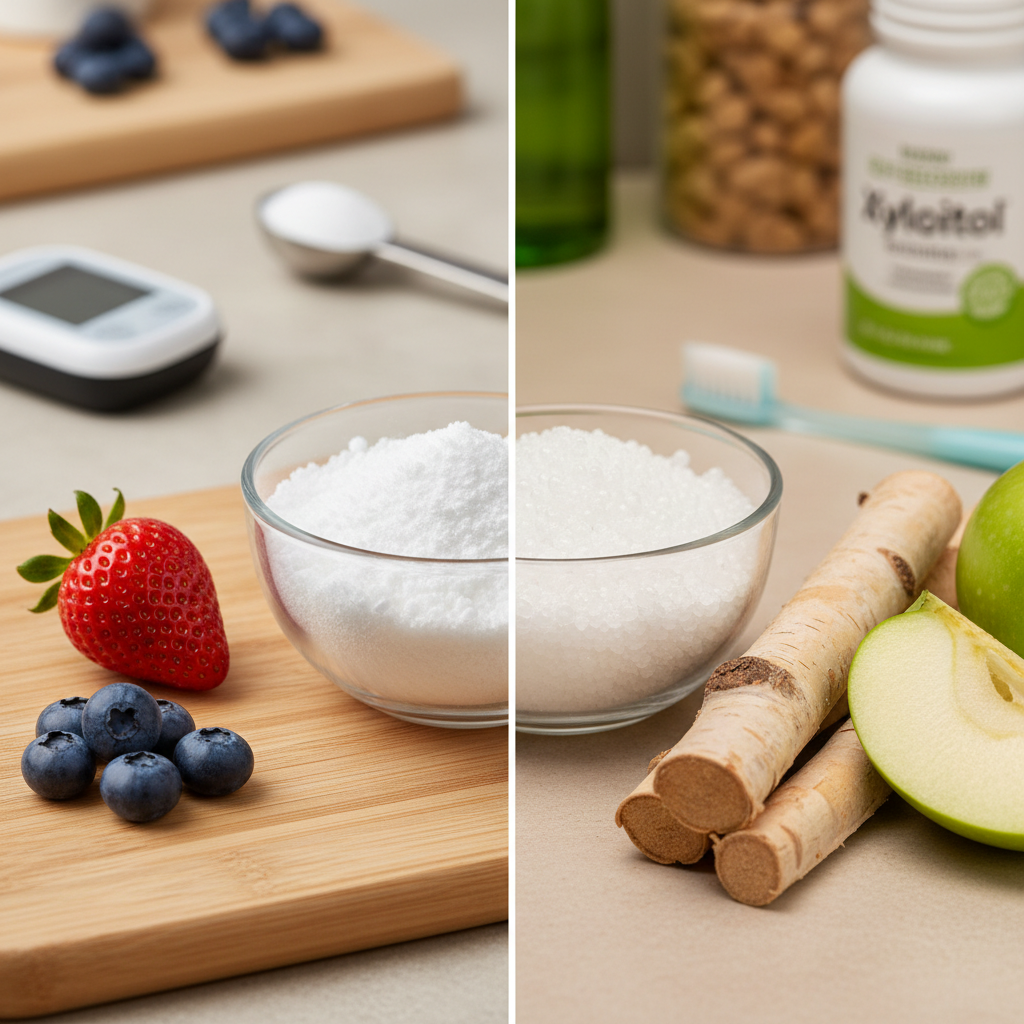
Comparative Overview of Erythritol and Xylitol's Health Benefits
Erythritol and xylitol are two popular sugar alcohols that are often compared for their health benefits. Erythritol, being a low-calorie sweetener, has gained popularity for its taste and minimal impact on blood sugar levels, making it an attractive option for those managing diabetes or reducing sugar intake. On the other hand, xylitol, which is derived naturally from fruits and vegetables, is renowned not just for its sweetening properties, but also for its dental health benefits. It has been shown to help prevent tooth decay, making it a favored ingredient in sugar-free gum and dental products.
Recent insights highlight that the xylitol market is expanding due to its unique health benefits, including its potential to improve oral hygiene. Regular consumption of xylitol, through chewing gum for instance, helps in reducing cavities and promoting overall dental health by inhibiting the growth of harmful bacteria in the mouth. In contrast, while erythritol is a good alternative for those seeking lower caloric intake with sweetness, it does not offer the same oral health advantages as xylitol does. This distinction marks a significant difference in their health profiles, making xylitol particularly appealing for individuals focused on maintaining oral health while managing their sugar usage.
Top 10 Differences Between Erythritol and Xylitol for Health Benefits - Comparative Overview of Erythritol and Xylitol's Health Benefits
| Feature |
Erythritol |
Xylitol |
| Calories per gram |
0.24 |
2.4 |
| Glycemic Index |
0 |
13 |
| Dental Health |
Neutral |
Beneficial |
| Digestive Tolerance |
High |
Moderate |
| Taste Profile |
Sweet |
Sweet with a slight cooling effect |
| Natural Sources |
Fermented from glucose |
Found in fruits and vegetables |
| Use in Cooking |
Stable under heat |
Less stable under heat |
| Potential Side Effects |
Minor gastrointestinal issues in excess |
Gas and bloating for some |
| Calories in a Typical Serving |
0-1 |
9-10 |
| Insulin Response |
None |
Minimal |
Impact on Blood Sugar Levels: Erythritol vs Xylitol
When comparing erythritol and xylitol, one of the crucial differences lies in their impact on blood sugar levels. Erythritol is a sugar alcohol that is known for having a negligible effect on blood glucose levels. It is absorbed in the small intestine and then excreted unchanged in the urine, making it a popular choice for those monitoring their blood sugar, such as individuals with diabetes. This property allows erythritol to be a suitable sweetener in low-carbohydrate and keto diets, providing sweetness without the associated spike in insulin.
On the other hand, xylitol does have a more noticeable effect on blood sugar. Although it has a lower glycemic index compared to regular sugar, it still can raise blood glucose levels moderately. This attribute makes xylitol less desirable for individuals specifically looking to maintain stable blood sugar levels. However, xylitol does offer other health benefits, like promoting dental health and supporting oral hygiene, which can be an advantage in different dietary contexts. Therefore, while both sweeteners serve as alternative options to sugar, their effects on blood sugar differ significantly, shaping their use in health-conscious diets.
Dental Health: How Erythritol and Xylitol Differ
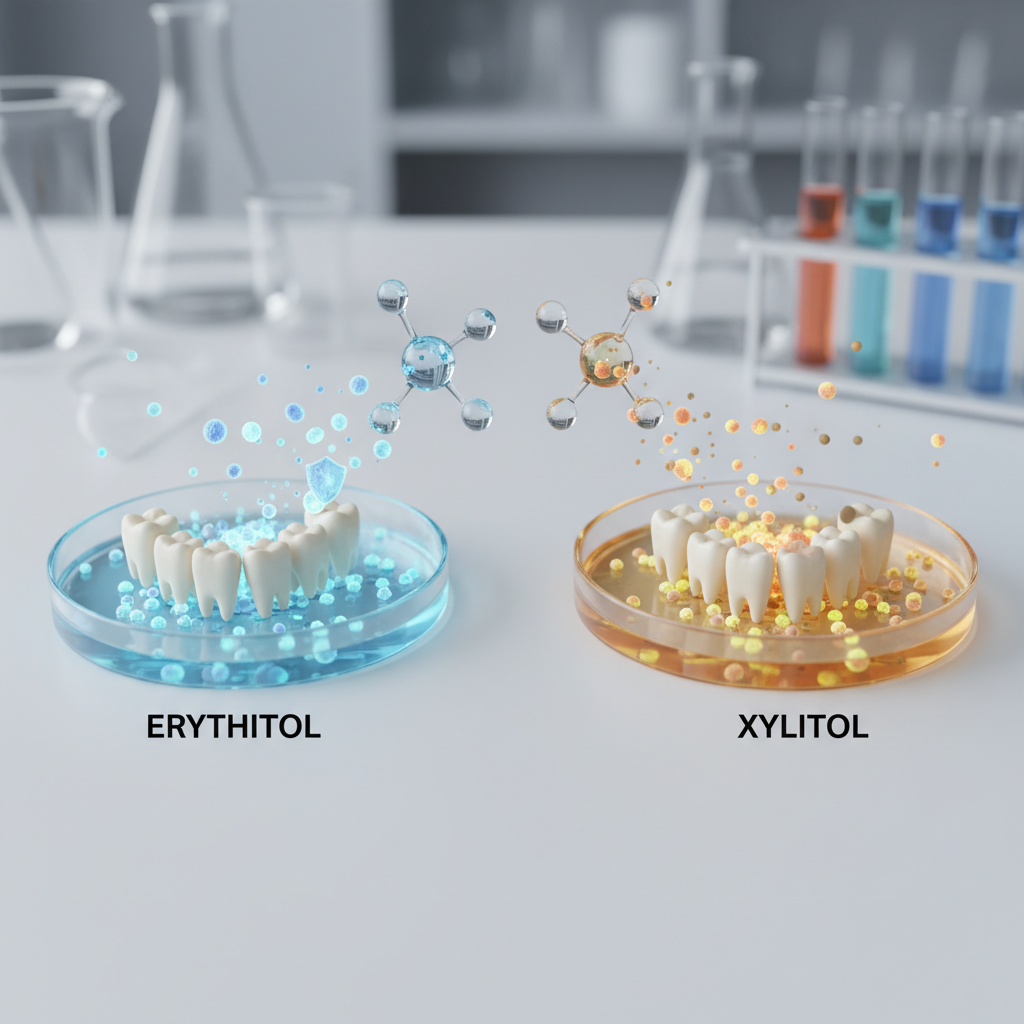
When it comes to dental health, erythritol and xylitol present notable differences that can influence oral care strategies. Both of these sugar alcohols are known for their ability to combat dental caries, but they act in different ways. Erythritol has been shown to inhibit the growth of cavity-causing bacteria more effectively than xylitol. Studies indicate that erythritol reduces plaque formation and decreases the overall acidity in the mouth, providing a more favorable environment for oral health.
On the other hand, xylitol also contributes positively to dental hygiene by increasing saliva production, which helps wash away food particles and neutralize acids. Furthermore, xylitol has the unique ability to disrupt the metabolism of harmful bacteria, reducing their ability to adhere to tooth surfaces. While both sweeteners can contribute to better oral health, the choice between erythritol and xylitol may depend on individual preferences and specific dental needs, highlighting the importance of considering their distinct mechanisms in maintaining dental wellness.
Caloric Content and Metabolism: A Side-by-Side Comparison
Erythritol and xylitol are two popular sugar alcohols frequently compared for their health benefits, especially regarding caloric content and metabolism. Erythritol contains approximately 0.24 calories per gram, making it a very low-calorie sweetener, while xylitol offers about 2.4 calories per gram. This significant difference means that erythritol is more suitable for individuals looking to minimize caloric intake, particularly those managing weight or diabetes. The low caloric count of erythritol stems from its unique metabolism; about 90% of consumed erythritol is absorbed in the small intestine and then excreted unchanged in the urine, resulting in minimal caloric contribution.
In contrast, xylitol undergoes a more complex metabolic process. It is slowly absorbed and metabolized by the liver, leading to a gradual release of energy. While this slower absorption can potentially offer sustained energy levels, it also implies that xylitol could impact blood sugar levels to a greater extent than erythritol. Furthermore, according to a study published in the "Journal of Nutrition," regular consumption of xylitol has been linked to dental health benefits; however, its higher caloric content may make it less appealing for those seeking to reduce their overall caloric intake. Thus, the choice between erythritol and xylitol often depends on individual health goals and dietary preferences.
Digestive Tolerance: Understanding Each Sweetener’s Effects
When comparing erythritol and xylitol, digestive tolerance is a critical factor in understanding the health benefits each sweetener offers. Erythritol is often praised for its remarkable digestive tolerance; studies indicate that most individuals can consume up to 1 gram per kilogram of body weight without experiencing adverse digestive effects. According to a report published by the Journal of Nutrition, approximately 90% of erythritol is absorbed in the small intestine, thus minimizing gastrointestinal discomfort common with other sugar alcohols.
In contrast, xylitol, while beneficial for dental health, tends to cause digestive issues when consumed in excess. Research presented in the American Journal of Clinical Nutrition indicates that xylitol consumption exceeding 10-20 grams daily can lead to gastrointestinal distress, including bloating and diarrhea. This is particularly evident in individuals with sensitive digestion or those who consume it in conjunction with other sugar alcohols. Therefore, those looking to select a sweetener based on digestive tolerance may find erythritol a more suitable option for everyday use, allowing them to enjoy sweetness without unpleasant digestive repercussions.