Top 10 Benefits of Erythritol as a Food Additive in China?
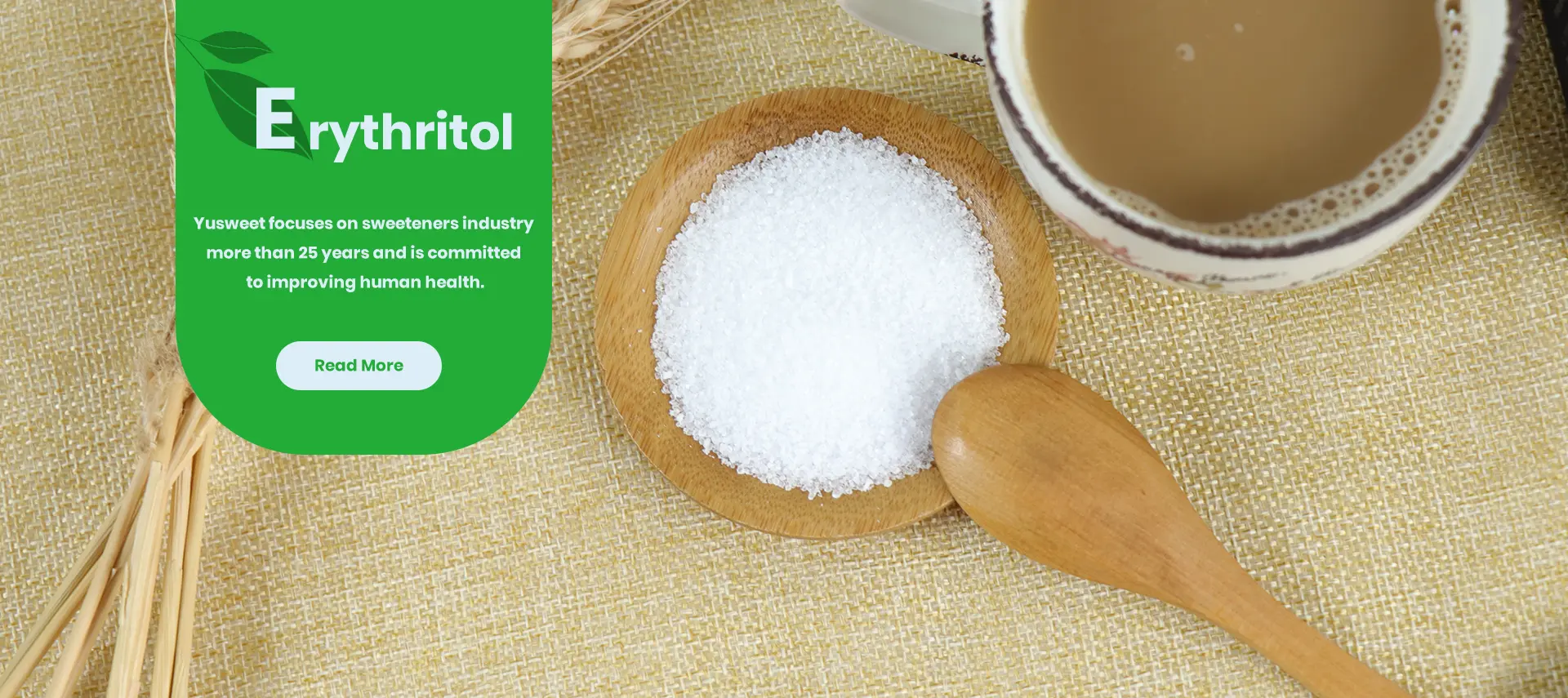
In recent years, Food Additives Erythritol have gained popularity in China. This natural sweetener offers numerous advantages for consumers and manufacturers alike. As a zero-calorie sugar substitute, erythritol provides a satisfying sweetness without the calories associated with sugar. It’s particularly appealing to health-conscious individuals.
Erythritol stands out due to its unique properties. It is non-glycemic, which means it doesn’t spike blood sugar levels. This makes it an attractive option for diabetics. Additionally, it has minimal digestive side effects compared to other sugar alcohols, making it easier on the stomach.
Despite its benefits, there are challenges to consider. Some consumers may find erythritol’s taste slightly different from sugar. Moreover, sourcing high-quality erythritol can be an issue for manufacturers. Nonetheless, these concerns do not overshadow its many benefits. The growing awareness of health and wellness in China continues to drive demand for Food Additives Erythritol.
Health Benefits of Erythritol: A Low-Calorie Sweetener
Erythritol has gained popularity as a low-calorie sweetener in China, appealing to health-conscious consumers.
This sugar alcohol offers about 70% of the sweetness of sugar but with only 0.24 calories per gram.
It does not spike blood sugar levels, making it an excellent choice for diabetics. Many people use it as a direct sugar substitute.
Its unique properties can enhance the taste of various foods without adding excessive calories.
Studies suggest that erythritol may also have antioxidant effects.
This benefit may help combat oxidative stress in the body. Furthermore, erythritol is tooth-friendly since it does not contribute to cavities.
Users often report fewer digestive issues compared to other sugar alcohols.
However, some individuals may experience mild gastrointestinal discomfort when consumed in large quantities.
The versatility of erythritol makes it suitable for baking, cooking, or beverages.
Its ability to retain moisture and texture in food enhances recipes. This adaptability is appealing to both home cooks and food manufacturers.
As the market continues to explore healthier alternatives, erythritol’s presence may grow in many Chinese households.
Its allure is not just in sweetness but also in the promise of a healthier lifestyle.
Erythritol's Role in Diabetes Management and Blood Sugar Control
Erythritol has gained attention for its potential benefits in diabetes management. Unlike sugar, erythritol is a low-calorie sweetener that does not spike blood sugar levels. This makes it an appealing option for those monitoring their glucose. It has a glycemic index of zero, which means it is absorbed quickly but not metabolized for energy.
People living with diabetes often struggle to find suitable alternatives to sugar. Erythritol offers a sweet taste without the associated glucose spikes. Many find it helps satisfy their sweet cravings. This is crucial for maintaining a balanced diet. Additionally, replacing sugar with erythritol may improve overall health by reducing calorie intake.
However, some individuals may experience digestive discomfort when consuming erythritol. Moderation is key. It’s important to listen to your body and adjust your intake accordingly. Further research continues to evaluate erythritol’s long-term effects. Understanding how it fits into a diabetic-friendly diet remains essential.
Environmental Impact of Erythritol Production in China's Food Industry
Erythritol, a popular sugar substitute, presents both advantages and challenges in its production process. The environmental implications are significant for the food industry in China. In 2020, the global erythritol market reached approximately 1.39 billion USD, highlighting a growing demand that inevitably impacts manufacturing practices.
The production process of erythritol often includes fermentation, which can be resource-intensive. A report by the Chinese Academy of Sciences indicates that the cultivation of necessary microorganisms can lead to soil depletion. This is a concern for sustainable practices. Additionally, the water usage is considerable. It is estimated that producing one kilogram of erythritol requires about 10 liters of water. This raises questions about water management strategies, particularly in arid regions.
Moreover, transporting erythritol contributes to carbon emissions. Although erythritol is relatively low in calories, its footprint during production needs consideration. A study published in Environmental Science & Technology noted that the carbon footprint of erythritol could be reduced by optimizing logistics and energy sources. This reflects a broader need for the food industry in China to balance product demand with ecological responsibilities.
Top 10 Benefits of Erythritol as a Food Additive in China
Erythritol's Effect on Dental Health Compared to Other Sweeteners
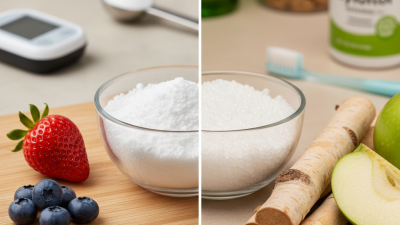
Erythritol is gaining attention in China for its unique benefits as a food additive. When it comes to dental health, erythritol stands out compared to other sweeteners. Studies indicate it does not contribute to tooth decay, a critical advantage for consumers concerned about oral hygiene. The Journal of Dental Research highlights that erythritol inhibits the growth of cavity-causing bacteria, unlike sucrose, which promotes their proliferation.
Moreover, a report published by the International Society for Dental Research found that erythritol can reduce plaque formation by up to 70%. This significant reduction is particularly noteworthy for people with high sugar intake. It offers a sweet taste without compromising dental health, making it suitable for various products.
**Tip:** To minimize risk to your dental health, consider using erythritol in baked goods or beverages.
Recent data suggests that even though most people enjoy sweet flavors, they don't always consider the health consequences. It's worth reflecting on how our choices can impact our oral health. Utilizing erythritol may not only satisfy taste preferences but also align with a healthier lifestyle today.
**Tip:** Always check ingredient labels to choose products that use low or no-sugar sweeteners like erythritol.
Top 10 Benefits of Erythritol as a Food Additive in China - Erythritol's Effect on Dental Health Compared to Other Sweeteners
| Benefit |
Erythritol |
Other Sweeteners (e.g., Sugar, Aspartame) |
| Low Calorie Content |
0.24 calories per gram |
4 calories per gram (Sugar), 4 calories per gram (Aspartame) |
| Dental Health |
Does not contribute to tooth decay |
Can contribute to cavities |
| Blood Sugar Levels |
Does not spike blood sugar |
Can increase blood sugar levels |
| Gut Health |
Well tolerated, does not cause gastrointestinal issues |
May cause bloating in some people (e.g., sugar alcohols) |
| Taste |
Sweet with no aftertaste |
May have an aftertaste (e.g., Aspartame's bitterness) |
| Weight Management |
Promotes lower caloric intake |
High caloric content promotes weight gain |
| Natural Origin |
Derived from fruits and fermented foods |
Synthetic production methods (e.g., Aspartame) |
| Versatility in Applications |
Can be used in baking and beverages |
Limited usability in cooking (e.g., not stable at high heat) |
| Suitable for Diabetics |
Safe for diabetics |
Can be risky for diabetic patients (e.g., sugar) |
| Antioxidant Properties |
Potential antioxidant effects |
Few antioxidant benefits |
Regulatory Status and Safety of Erythritol in Chinese Food Products
Erythritol, a low-calorie sugar alcohol, has gained attention in China as a food additive. The regulatory status surrounding it is crucial. Currently, the Chinese National Health Commission has categorized erythritol as safe for consumption, based on assessments from the Joint FAO/WHO Expert Committee on Food Additives (JECFA). This endorsement reflects a thorough evaluation of its safety for dietary use.
China's food industry is embracing erythritol due to its unique properties. Research indicates that erythritol is around 60-70% as sweet as sucrose but contains zero calories. This characteristic is vital for manufacturers targeting health-conscious consumers. The China Food Industry Association has noted an uptick in food products incorporating erythritol, reflecting growing consumer demand. However, some studies suggest that excessive amounts might cause gastrointestinal discomfort in certain individuals.
Moreover, while its safety profile is well-established, ongoing research is needed. The long-term effects of erythritol consumption require further exploration. Regulatory bodies must continually assess emerging data to ensure public safety. As the market evolves, there's a delicate balance between innovation and consumer health. The path forward involves remaining vigilant and informed, ensuring that erythritol's incorporation into food products aligns with safety standards and public expectations.