What is Erythritol and What Are Its Natural Sources?
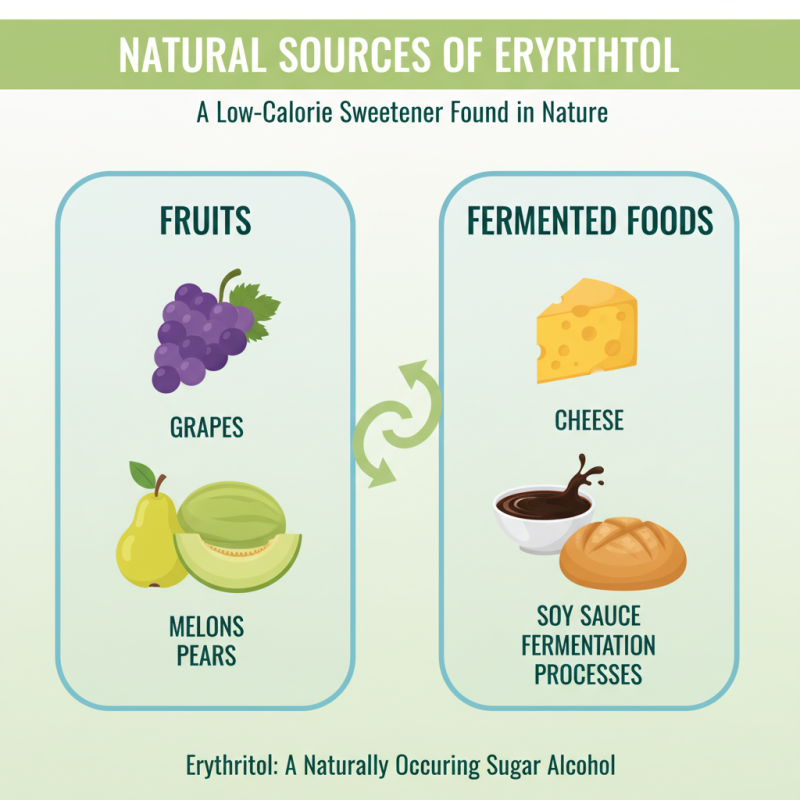
Erythritol is a sugar alcohol often used as a sweetener. It has gained popularity due to its low-calorie nature and potential health benefits. Understanding Erythritol's natural sources can help us appreciate its role in our diets. Many may not realize that Erythritol occurs naturally in certain fruits and fermented foods.
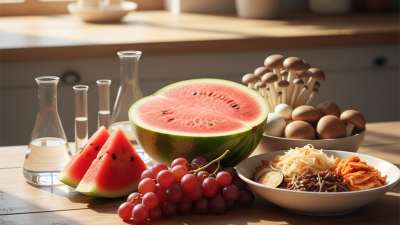
When we explore Erythritol natural sources, we find it in foods like grapes, melons, and mushrooms. It is also present in fermented products such as soy sauce and sake. This natural production makes it a suitable option for those seeking a healthier alternative to sugar. Yet, the overall content in these foods is often limited.
The quest for healthier sweeteners has led to a rise in Erythritol usage. However, it’s crucial to be aware of potential digestive issues in some individuals. Balancing its benefits with possible side effects is essential. Erythritol could transform how we sweeten our foods if we address these concerns effectively.
What is Erythritol?
Erythritol is a sugar alcohol, often used as a sweetener. It is found naturally in some fruits, such as grapes and pears. Unlike regular sugar, erythritol has fewer calories and a minimal impact on blood sugar levels. This makes it appealing for those managing their weight or blood sugar.
Many people enjoy using erythritol in baking or cooking. It can replace sugar at a one-to-one ratio, making it easy to incorporate into recipes. When using erythritol, be aware that it can have a cooling effect on the tongue. This is a common characteristic of sugar alcohols. You might want to experiment with it in small amounts before committing to a whole batch of cookies.
Tip: Always check labels when purchasing products containing erythritol. Some items might combine it with other sweeteners. This can change the overall flavor and impact on your body.
When considering erythritol, reflect on your personal tolerance. Some may experience digestive issues when consuming sugar alcohols. Adjust your intake based on how your body reacts to it. Keep this in mind while exploring its uses.
Chemical Composition and Properties of Erythritol
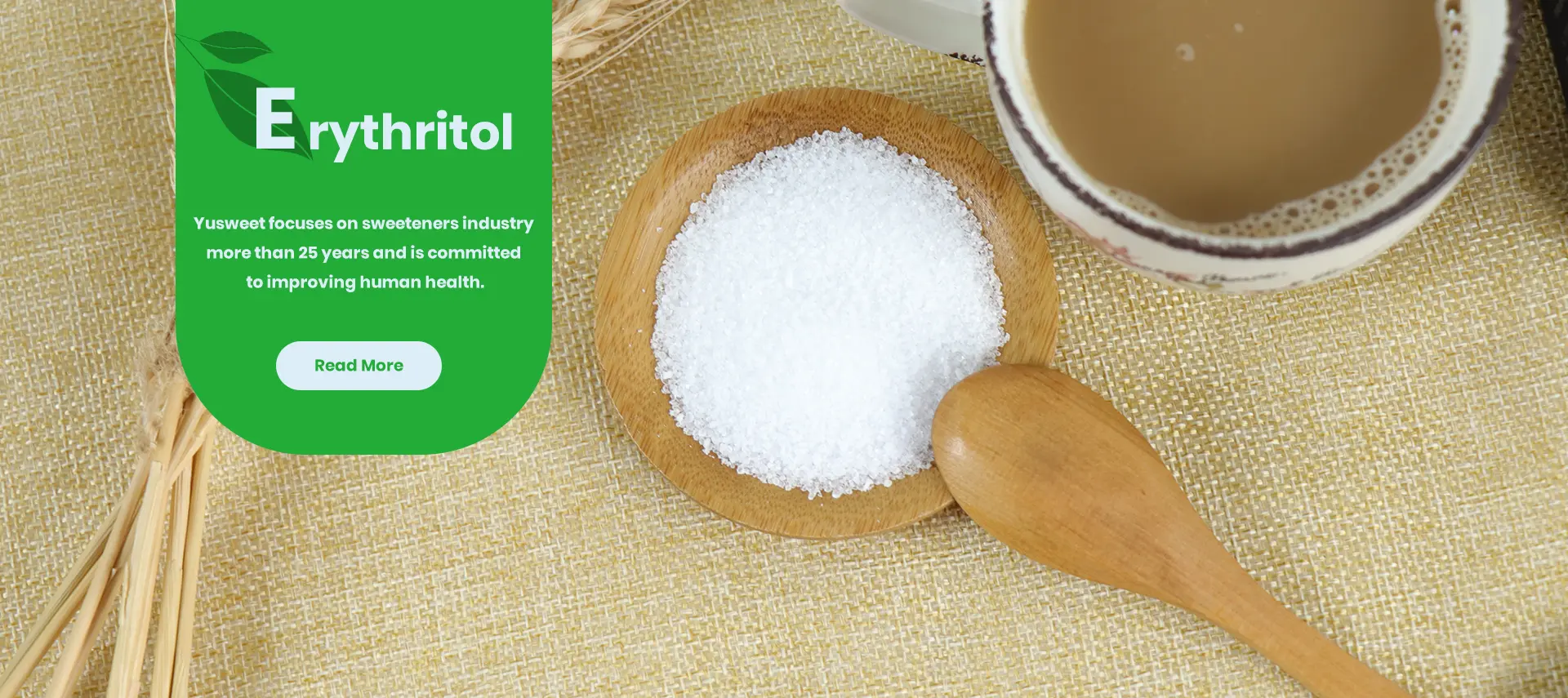
Erythritol is a sugar alcohol with unique chemical properties. Its molecular formula is C4H10O4, featuring four carbon atoms and is categorized as a polyol. This compound is found naturally in some fruits, like grapes and pears, and during fermentation processes. Erythritol appears as a white crystalline powder and is about 70% as sweet as sucrose, offering a lower-calorie alternative.
The properties of erythritol make it an attractive choice for food manufacturers. It has a low glycemic index, nearly zero calories, and a sweet taste without a bitter aftertaste. According to industry reports, erythritol is absorbed in the intestine and excreted unchanged in the urine. Recent studies indicate that over 90% of ingested erythritol is not metabolized, which can lead to lower caloric content in products. However, some individuals may experience digestive discomfort when consuming erythritol in large amounts, highlighting the need for moderation.
Erythritol’s solubility is relatively high, making it easy to incorporate into various food products. It does not brown during baking, a common issue with traditional sugars. Despite these advantages, the production process of erythritol may involve fermentation from glucose derived from corn or other starches. This brings into question the sustainability and environmental impact of sourcing raw materials. Thus, while erythritol shows promise as a sweetener, ongoing evaluation of its production practices is necessary.
What is Erythritol and What Are Its Natural Sources? - Chemical Composition and Properties of Erythritol
| Property |
Details |
| Chemical Formula |
C4H10O4 |
| Molecular Weight |
122.12 g/mol |
| Calories |
0.2 calories per gram |
| Solubility |
Water soluble |
| Sweetness Level |
70% as sweet as sucrose |
| Natural Sources |
Fruits, fermented foods, and fermented products |
| Health Benefits |
May help reduce blood sugar levels |
| Side Effects |
Generally well-tolerated; may cause digestive upset in some |
Natural Sources of Erythritol in the Environment
Erythritol is a sugar alcohol commonly used as a low-calorie sweetener. It naturally occurs in various foods. You can find it in fruits like grapes, melons, and pears. Fermentation processes can also produce erythritol. It is present in certain fermented foods, such as cheese and soy sauce.
In nature, erythritol is abundant in mushrooms and some types of algae. These sources highlight how diverse its origins are. When choosing foods for erythritol, consider fresh fruits and vegetables. This way, you're obtaining it in its natural form.
**Tip:** Always check the nutritional information of packaged foods. Some products may contain added sugars alongside erythritol.
Erythritol can sometimes have an unusual texture when used in recipes. This can be frustrating in baked goods, as it often doesn't dissolve like sugar. Experiment with different ratios to achieve the desired sweetness. Finding the right balance can be tricky.
**Tip:** Start with small amounts when replacing sugar with erythritol in recipes. Gradually adjust to your taste preferences for the best results.
Health Benefits and Potential Risks of Erythritol
Erythritol is a sugar alcohol often used as a sweetener. It has garnered attention for its potential health benefits. This compound occurs naturally in some fruits, like grapes and pears. Erythritol is low in calories and does not spike blood sugar levels. Many people turn to it for a healthier lifestyle.
However, there are potential risks to consider. Some individuals experience digestive discomfort after consuming erythritol. Bloating and gas can occur, especially in high amounts. Research about long-term effects is limited. This uncertainty raises questions about its safety for some people.
Additionally, while it may be a better alternative to sugar, moderation is key. Overconsumption can lead to negative side effects. Finding a balance in your diet is essential. Erythritol can fit in well, but understanding your body's response is crucial. Not everyone reacts the same way, and being mindful helps.
Uses of Erythritol in Food and Beverage Industry
Erythritol is a popular sugar substitute. It is often found in low-calorie and sugar-free products. This sugar alcohol offers sweetness without the extra calories. It has a clean taste and can enhance flavor profiles in various foods and beverages.
In the food industry, erythritol serves multiple purposes. Baked goods, for instance, often include it to maintain sweetness while keeping calories low. It is also used in beverages, from flavored waters to sodas, offering a sugar-like experience without the guilt. Notably, it doesn’t raise blood sugar levels, making it ideal for diabetic-friendly options.
Despite its benefits, erythritol has some drawbacks. Some people experience digestive issues when consuming it in large amounts. This can lead to discomfort, which some may overlook in pursuit of healthier choices. Manufacturers must balance sweetness with potential side effects. This makes erythritol a topic of ongoing discussion in health circles.
Erythritol Usage in Food and Beverage Industry
Erythritol is widely used in various sectors of the food and beverage industry, with the highest usage in beverages. This chart illustrates the percentage of erythritol used across different product categories, highlighting its popularity in sugar-free and low-calorie options.