Top 5 Erythritol Alternatives for Healthier Baking and Cooking
In the ever-evolving world of healthy cooking and baking, finding the right sweetener can significantly impact our well-being and culinary creations. As people become more health-conscious, alternatives to traditional sugars and artificial sweeteners are gaining popularity. Among these alternatives, erythritol has been a favored choice, but many are now exploring other options. Dr. Emily Harris, a nutrition expert and advocate for natural sweeteners, emphasizes the need for diverse choices in the market: "Exploring 'Alternative For Erythritol' not only enhances our recipes but also caters to individual health preferences."
As we delve into the top five erythritol alternatives, it is essential to understand that each sweetener brings unique flavors and benefits to the table. The culinary landscape is rich with options like monk fruit, allulose, and stevia, each providing a distinct sweetness profile while being lower in calories and sugars. By incorporating these alternatives, home bakers and cooks can create delicious dishes without compromising their dietary goals.
Moreover, opting for alternatives to erythritol can also address potential digestive issues some may experience with certain sugar alcohols. By considering a variety of sweetening options, we empower ourselves to make informed decisions that align with our health objectives while still enjoying the pleasures of baking and cooking.
Understanding Erythritol and Its Role in Baking
Erythritol, a popular sugar alcohol, has gained traction in the baking and cooking world for its ability to mimic the sweetness of sugar while providing fewer calories. Comprising about 0.24 calories per gram, compared to sugar's 4 calories, erythritol has become a go-to alternative for those aiming to reduce their caloric intake without sacrificing taste. According to a 2021 market report, the global erythritol market is projected to grow significantly, reflecting the rising consumer demand for low-calorie sweeteners in various culinary applications.
Beyond caloric reduction, erythritol boasts a low glycemic index, making it suitable for individuals managing diabetes. Studies indicate that erythritol does not significantly impact blood glucose or insulin levels, a critical factor for health-conscious bakers. Furthermore, research from the Journal of Nutrition suggests that erythritol can have a digestion-friendly profile, often being better tolerated than other sugar alcohols, which can cause gastrointestinal distress. As bakers look for healthier alternatives, understanding erythritol’s unique properties and benefits becomes essential in adapting recipes to fit modern health trends that prioritize wellness without compromising flavor.
Nutritional Benefits of Erythritol Alternatives
When exploring healthier alternatives to erythritol for baking and cooking, it’s vital to consider the nutritional benefits these substitutes can offer. Erythritol is known for its low-calorie content and low glycemic index, making it a popular sugar substitute. However, several alternatives provide comparable, if not superior, health benefits.
For instance, xylitol, another sugar alcohol, has been shown to promote oral health by reducing cavity-causing bacteria, while also being lower in calories than regular sugar, contributing less significantly to daily caloric intake.
In addition, stevia has gained recognition for its impressive health profile. Derived from the leaves of the Stevia rebaudiana plant, this natural sweetener contains zero calories and has a negligible effect on blood sugar levels. According to the International Stevia Council, research indicates that stevia extracts can be up to 300 times sweeter than sugar, allowing for smaller quantities to be used in recipes. Furthermore, monk fruit, another emerging competitor, possesses antioxidant properties and is calorie-free, making it an excellent choice for those looking to enhance the nutritional value of their meals while managing weight.
These alternatives not only align with low-calorie dietary trends but also offer unique benefits that can contribute to overall health. As the demand for healthy sweeteners escalates, exploring options rich in nutrients and devoid of adverse health impacts will empower individuals to make better choices in their baking and cooking endeavors.
Top 5 Healthier Sweeteners for Baking and Cooking
When it comes to healthier baking and cooking, the choice of sweeteners plays a pivotal role. Traditional refined sugars can contribute to various health issues, including obesity and diabetes. Recent research indicates that substituting regular sugar with healthier sweetener alternatives can make a significant difference. According to a study published in the Journal of Nutrition, replacing sugar with alternatives can reduce calorie intake by up to 30% without affecting taste, making it easier for individuals to maintain a healthier diet.
Among the top alternatives for baking and cooking, natural sweeteners like stevia and monk fruit extract have gained traction. A report by the International Sweeteners Association shows that stevia is up to 300 times sweeter than sugar, which means only a small amount is necessary to achieve the desired sweetness. This not only helps to cut back on calories but also offers the benefit of being low glycemic, making it a great option for those monitoring blood sugar levels. Similarly, monk fruit has been shown to contain zero calories and has antioxidant properties, which can enhance the nutritional profile of baked goods.
Another promising option is allulose, a low-calorie sweetener that mimics the taste and texture of sugar. According to a report from the Food Science Institute, allulose has been found to not raise blood glucose levels, making it an appealing choice for people with insulin sensitivity. As culinary trends shift towards healthier cooking practices, exploring these sweetener alternatives can not only satisfy cravings for sweetness but also contribute to overall health and well-being in the kitchen.
Comparing Taste and Texture of Erythritol Substitutes
When exploring erythritol alternatives for healthier baking and cooking, it's essential to consider both taste and texture. Many substitutes can replicate the sweetness of erythritol while offering a distinctive flavor profile. For instance, monk fruit sweetener emerges as a popular choice, boasting a natural sweetness that doesn't overwhelm the palate. Its subtle notes can enhance desserts, providing a balanced flavor without the cooling aftertaste often associated with erythritol.
Another alternative is allulose, which closely mimics the texture and sweetness of sugar. This unique sugar substitute has a pleasant taste and can brown similarly to traditional sweeteners, making it a great option for baked goods. Bakers often appreciate the way allulose adds moisture, resulting in tender cakes and cookies. Additionally, coconut sugar offers a caramel-like flavor that can complement certain recipes, particularly in more robustly flavored desserts. Each of these alternatives brings its own character to dishes, ensuring that those looking to reduce their erythritol intake can still enjoy their culinary creations without compromising on taste or texture.
Top 5 Erythritol Alternatives for Healthier Baking and Cooking - Comparing Taste and Texture of Erythritol Substitutes
| Alternative Sweetener |
Taste Profile |
Texture |
Caloric Content per 100g |
Glycemic Index |
| Stevia |
Sweet, with a slightly bitter aftertaste |
Excellent for baking |
0 |
0 |
| Monk Fruit Sweetener |
Very sweet, mild flavor |
Similar to sugar |
0 |
0 |
| Allulose |
Sweet, similar to sugar |
Close to sugar's texture |
10 |
0 |
| Sucralose |
Very sweet, no calories |
Fine powder, mixes easily |
0 |
0 |
| Coconut Sugar |
Caramel-like, rich flavor |
Granular, similar to brown sugar |
375 |
35 |
Tips for Substituting Sweeteners in Recipes
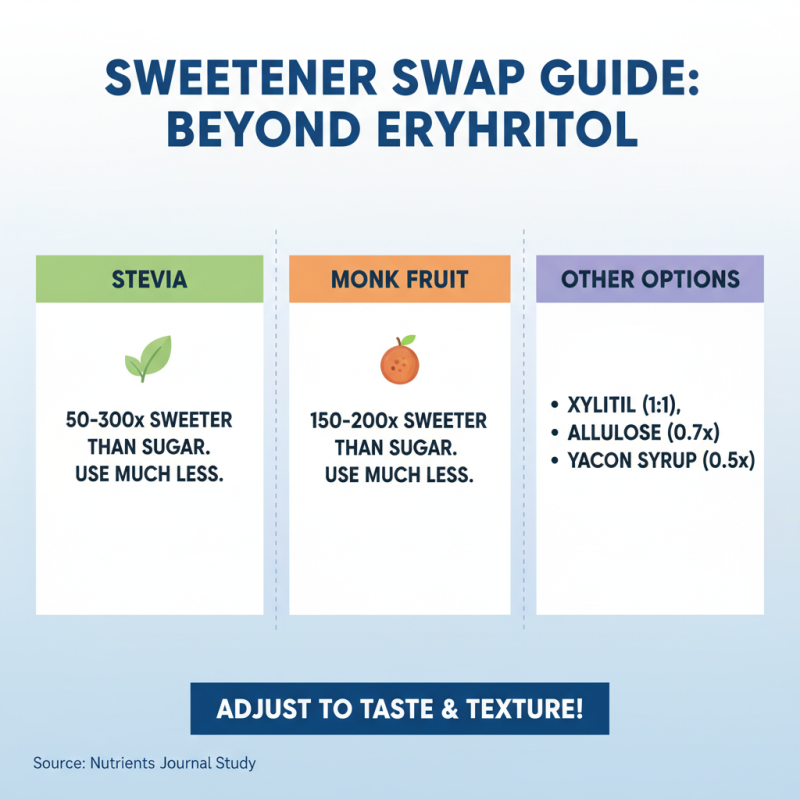
When it comes to substituting sweeteners in your baking and cooking, understanding the different properties of alternatives to erythritol is essential for achieving the desired taste and texture in your recipes. According to a study published in the *Nutrients* journal, the sweetness intensity of sweeteners can vary significantly; for instance, stevia is approximately 50-300 times sweeter than sugar, while monk fruit extract can be up to 150-200 times sweeter. This means that when replacing erythritol, you may need to adjust the quantity of the substitute to avoid overwhelming the dish with sweetness.
Moreover, the moisture content of sweeteners also plays a crucial role in baking. A report from the *Journal of Food Science* indicates that some sweeteners like agave nectar have higher moisture levels, which can alter the texture of baked goods if not compensated for properly. It's important to consider these factors when substituting erythritol with alternatives such as xylitol or coconut sugar. For instance, if you choose a liquid sweetener, reducing the overall liquid content in your recipe is necessary to maintain the correct consistency. By carefully measuring and adjusting other ingredients, you can successfully create healthier versions of your favorite recipes without compromising on flavor or texture.