What is Crystalline Powder Xylitol Benefits and Uses?
Crystalline Powder Xylitol is gaining attention for its numerous health benefits. This natural sugar alcohol offers a sweet taste without the drawbacks of traditional sugars. It’s often derived from birch trees or corn cobs, making it a sustainable option.
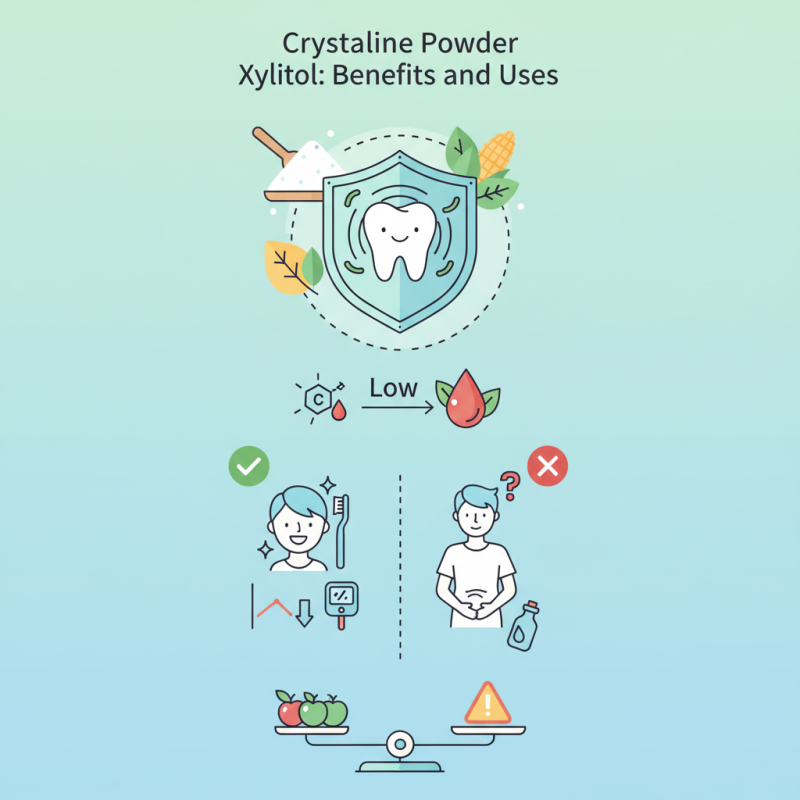
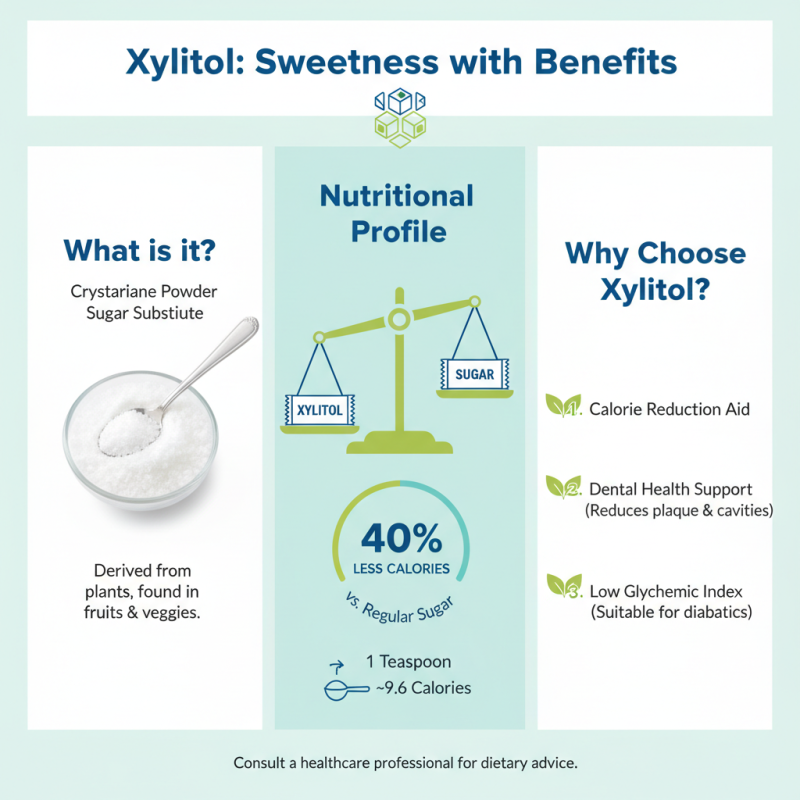
The use of Crystalline Powder Xylitol in dental care is particularly noteworthy. Studies suggest it can inhibit the growth of harmful bacteria in the mouth. This can lead to improved oral health, reducing the risk of cavities. Additionally, it has a low glycemic index, making it suitable for those managing blood sugar levels.
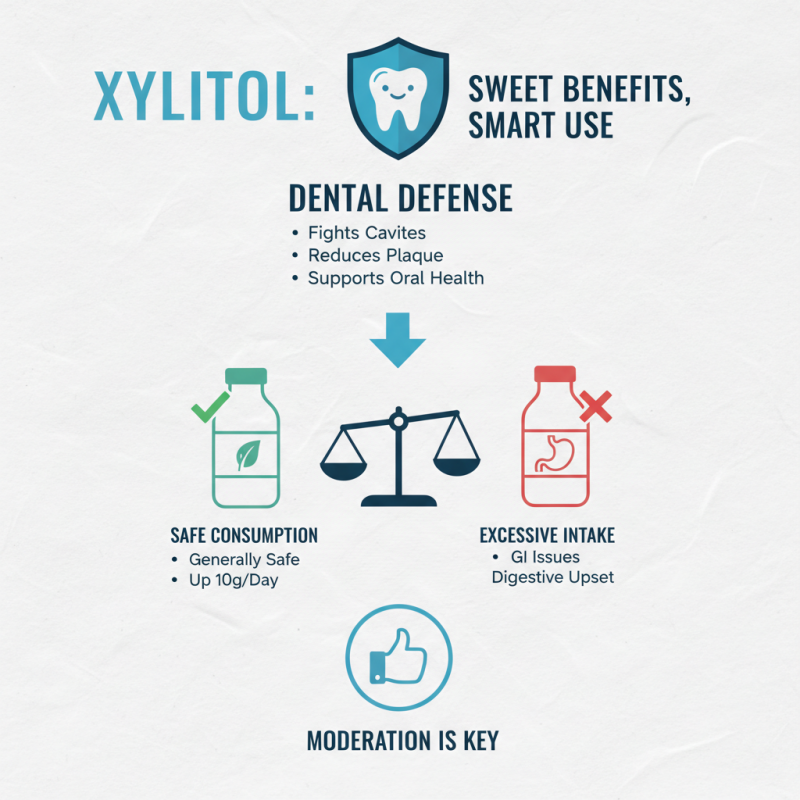
However, not everyone tolerates it well. Some may experience digestive discomfort if consumed in excess. This aspect highlights the need for moderation. Overall, Crystalline Powder Xylitol is a promising alternative. Its benefits are compelling, but users should proceed carefully.
What is Crystalline Powder Xylitol?
Crystalline powder xylitol is a natural sugar alcohol. It is derived from plants like birch and corn. This sweetener is known for its unique properties. Its sweetness is similar to that of sucrose, but it has fewer calories.
Research indicates that xylitol has dental health benefits. Studies show it can reduce cavities by up to 50% in participants. This is due to its ability to inhibit harmful bacteria in the mouth. Unlike sugar, it does not ferment, making it less harmful to teeth.
In addition to dental health, xylitol supports overall wellness. It may help in maintaining healthy blood sugar levels. Some reports suggest that consuming xylitol does not spike insulin production. This can be beneficial for those managing their weight or blood sugar. However, it is essential to consume xylitol in moderation, as excessive intake can lead to digestive discomfort. Observing your body's reaction is crucial when introducing it into your diet.
What is Crystalline Powder Xylitol Benefits and Uses?
| Benefit |
Description |
Uses |
| Dental Health |
Xylitol helps reduce the risk of cavities and tooth decay by inhibiting the growth of harmful bacteria in the mouth. |
Used in sugar-free chewing gum and dental products. |
| Low Glycemic Index |
Xylitol has a low glycemic index, making it suitable for diabetics as it does not cause significant spikes in blood sugar levels. |
Used as a sugar substitute in various food and beverage items. |
| Moisturizing Properties |
Xylitol can help retain moisture, benefiting skin hydration. |
Used in skincare and cosmetic products. |
| Digestive Health |
It acts as a prebiotic, promoting the growth of beneficial gut bacteria. |
Incorporated in supplements and functional foods. |
| Weight Management |
Xylitol provides sweetness with fewer calories than traditional sugar. |
Used in diet foods and sugar-free products. |
Nutritional Profile of Xylitol: Composition and Caloric Value
Xylitol is a crystalline powder often used as a sugar substitute. Its nutritional profile makes it appealing for many. Xylitol has a composition that includes about 40% fewer calories than regular sugar. This can be advantageous for people looking to reduce their calorie intake. A teaspoon of xylitol provides around 9.6 calories.
In terms of carbohydrates, xylitol falls into the category of sugar alcohols. Each serving contains around 4 grams of carbohydrates. It doesn’t spike blood sugar levels, making it a safer option for diabetics. However, some may experience digestive discomfort if consumed in large amounts. It's a delicate balance: While xylitol can offer sweet taste without many drawbacks, moderation is key.
It’s essential to consider the unique properties of xylitol. It also has dental benefits, helping to reduce the risk of cavities. Regular consumption can support oral health, but too much can lead to unexpected side effects. Some users may find their tolerance levels vary significantly. Always listen to your body; it can guide you toward the right amount.
Health Benefits of Xylitol: Dental Health and Beyond
Xylitol is a naturally occurring sugar alcohol. It is found in many fruits and vegetables. This crystalline powder is not just a sweetener; it has several health benefits, particularly for dental health. Unlike regular sugar, xylitol does not contribute to cavities. It actually inhibits the growth of harmful bacteria in the mouth. This can lead to healthier teeth and gums over time.
Dental products containing xylitol can help reduce plaque. However, it’s important to use them consistently. Some people may experience digestive issues when consuming large amounts. It’s crucial to find the right balance. Beyond oral health, xylitol also plays a role in maintaining other bodily functions. It can help regulate blood sugar levels and promote better hydration.
Incorporating xylitol into your diet can be beneficial, but moderation is key. It’s easy to get carried away with new health trends. Some may think that more is better, but this isn't always true. Understanding your body’s response to xylitol is essential. Listening to your body will guide you in using it effectively.
Benefits of Xylitol for Dental Health
Uses of Crystalline Xylitol in Food and Pharmaceutical Industries
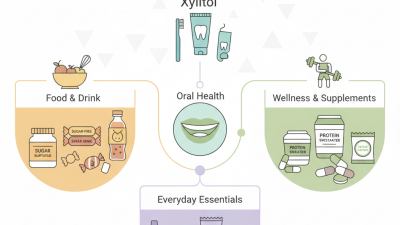
Crystalline xylitol is gaining attention in the food and pharmaceutical industries. It is a natural sugar alcohol derived from plant sources. This compound has a clean, sweet taste similar to sugar, making it a popular alternative in various products. Manufacturers often use crystalline xylitol in sugar-free gum, mints, and candies.
In the pharmaceutical sector, crystalline xylitol plays a significant role. It functions as an excipient in drug formulations. Its sweet flavor can mask unpleasant tastes of certain medications. Moreover, xylitol exhibits antimicrobial properties, which can enhance oral health. Products like syrups and lozenges often incorporate this ingredient to improve palatability.
Despite its benefits, there are some considerations. Overconsumption can lead to digestive discomfort. This effect may deter users from embracing it fully. Balancing the use of xylitol in recipes and products is essential. Understanding individual tolerance levels is crucial for a positive experience with crystalline xylitol.
Safety and Side Effects: Recommended Dosages and Precautions
Xylitol is known for its dental benefits. However, its safety and side effects are important to consider. Research shows that xylitol is generally safe for consumption. The acceptable daily intake is around 10 grams. In moderation, it can be beneficial. However, excessive consumption may lead to gastrointestinal issues.
Many consumers experience bloating or laxative effects when taking too much xylitol. Individuals with sensitive stomachs should monitor their intake closely. Importantly, pets, especially dogs, can suffer serious toxicity. Keep xylitol away from animals.
Tips: Start with small amounts. Observe how your body reacts. Gradually increase your intake if there are no adverse effects. Always read ingredient labels when purchasing products containing xylitol.
Remember that everyone's tolerance may differ. Some might enjoy the benefits, while others may not. It’s crucial to reflect on your body's signals. Before making any significant changes, consult with a healthcare professional for personalized advice.