Why Choose Xylitol as Your Natural Sweetener Alternative?
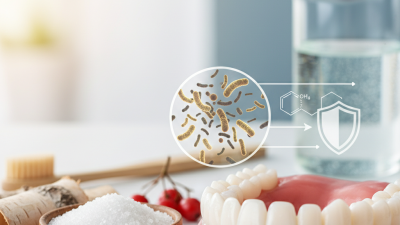
Choosing a natural sweetener is becoming vital for many consumers. One standout option is Natural Sweeteners Xylitol. This sugar alcohol offers potential health benefits that make it an attractive alternative to traditional sugars. According to a report by the International Journal of Dentistry, xylitol can help reduce cavity-causing bacteria by up to 90%. That’s a significant advantage for dental health.
Research indicates that 75% of consumers are actively looking for healthier sugar alternatives. Xylitol’s low glycemic index makes it suitable for diabetics and dieters. Unlike regular sugar, it does not spike blood glucose levels. Additionally, it contains fewer calories, which appeals to health-conscious individuals.
However, some people may experience digestive discomfort with excessive xylitol consumption. This calls for a mindful approach. Understanding individual tolerance is crucial. Thus, while Natural Sweeteners Xylitol presents clear benefits, it is essential to use it thoughtfully. The journey toward healthier sweetening options must be tailored to personal experiences and health needs.

Understanding Xylitol: A Natural Sweetener
Xylitol has become a popular natural sweetener. This is largely because it offers a healthier alternative to sugar. It has a low glycemic index, making it suitable for diabetes management. Unlike other sweeteners, xylitol does not spike blood sugar levels. It also has dental benefits, as it can help reduce cavity-causing bacteria in the mouth.
When considering xylitol, it's essential to use it wisely. Begin by incorporating small amounts into your diet. Overconsumption can lead to digestive discomfort, so moderation is key. It's best to experiment with recipes that replace sugar with xylitol gradually.
Here are some tips for using xylitol effectively: try using it in your morning coffee or in baking. Xylitol can be a simple substitute in many recipes. Always check the total amount you consume throughout the day. If you're feeling any unusual digestive issues, reflecting on your intake can be beneficial. Adjusting your xylitol consumption may enhance your overall experience with this natural sweetener.
The Health Benefits of Choosing Xylitol Over Sugar
Xylitol is an excellent alternative to sugar for those looking to improve their health. This natural sweetener not only satisfies your sweet tooth but also has several health benefits. Unlike sugar, xylitol does not spike blood sugar levels. This can be beneficial for individuals managing diabetes or looking to reduce their sugar intake.
One notable benefit of xylitol is its role in dental health. It helps inhibit the growth of harmful bacteria in the mouth, leading to fewer cavities and improved oral hygiene. Additionally, xylitol may promote saliva production, which aids in neutralizing acids produced by bacteria.
Tips: When using xylitol in baking, remember it can have a cooling effect on the taste. Adjust your recipes to balance this flavor. If you're introducing xylitol into your diet, start with small amounts to avoid digestive discomfort. Overconsumption may lead to bloating. Also, be mindful to keep xylitol products away from pets, as it can be toxic to them.
Xylitol's Role in Dental Health: Fighting Cavities Naturally
Xylitol is gaining attention for its natural sweetening properties, especially for dental health. Research indicates that xylitol can significantly reduce cavity-causing bacteria. A study published in the "Journal of Dental Research" noted that xylitol reduced levels of Streptococcus mutans, a primary cavity-causing bacteria, by up to 70% when included in daily oral hygiene routines.
Additionally, xylitol helps to maintain a neutral pH in the mouth, reducing acid production from bacteria. This is critical because acidic environments in the mouth can lead to tooth decay. According to the American Dental Association, a pH level above 5.5 can help protect tooth enamel, and xylitol can contribute to achieving this balance.
However, while xylitol shows promise, awareness and education are essential. Some individuals may experience gastrointestinal discomfort when consuming xylitol in large amounts. Understanding personal tolerance levels is crucial. Overall, considering xylitol's benefits could lead to healthier dental habits and improved oral health.
How to Incorporate Xylitol into Your Diet
Incorporating xylitol into your diet can be an effective way to reduce sugar intake. Studies suggest that xylitol, a sugar alcohol, can sweeten foods without causing significant spikes in blood sugar levels. This makes it a popular choice for those managing diabetes, with research indicating that it has a low glycemic index of just 7, compared to table sugar, which scores around 60-65.
Using xylitol is simple. You can add it to beverages, such as coffee and tea, as a sugar substitute. It also works well in baking. However, remember that xylitol can be toxic to dogs. This means you should always store it safely. Additionally, some people may experience digestive issues if they consume too much. It’s wise to start with small amounts to see how your body reacts.
You can also explore xylitol-infused products like chewing gums and dental care items, as research indicates it may promote oral health by reducing decay-causing bacteria. This dual benefit can make incorporating xylitol into your dietary habits a worthwhile experiment. Make sure to pay attention to how it fits into your overall nutrition plan.
Potential Side Effects and Safety Considerations of Xylitol
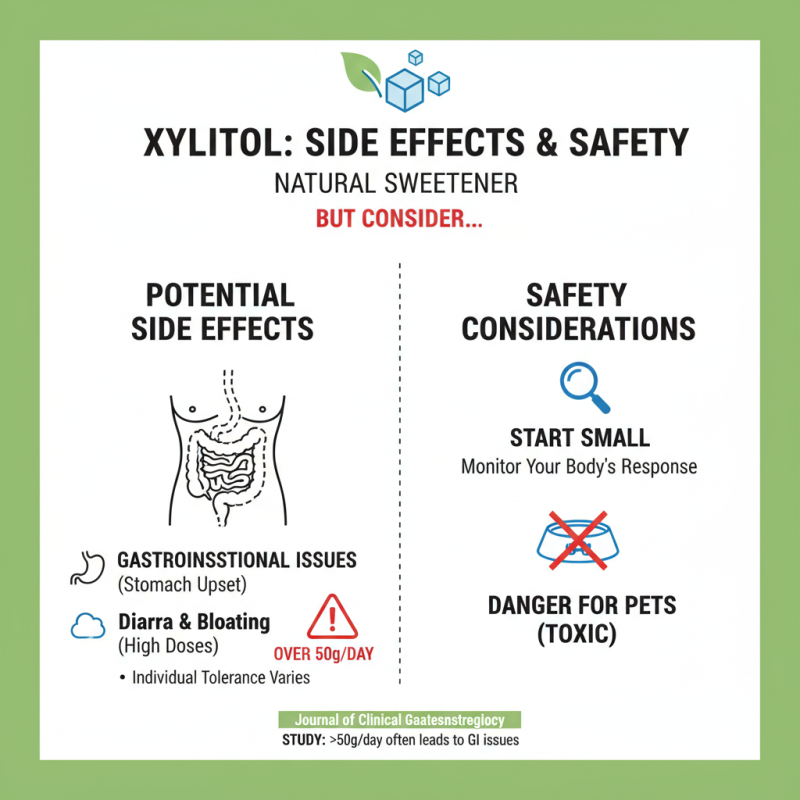
Xylitol is gaining popularity as a natural sweetener, but potential side effects must be considered. Research shows that xylitol can cause gastrointestinal issues in some individuals. A study published in the Journal of Clinical Gastroenterology found that dosages exceeding 50 grams per day often lead to diarrhea and bloating. Such symptoms may vary based on individual tolerance levels.
Unexpected reactions can also occur with xylitol. Some people report headaches or allergic responses. Although rare, these side effects should not be overlooked. According to the European Food Safety Authority (EFSA), individuals should start with small amounts to assess their body's reaction. It’s crucial to understand that while xylitol has dental benefits, moderation is key. The American Dental Association emphasizes the importance of using it wisely, especially for those with sensitive digestive systems.
It's interesting to note that xylitol is toxic to dogs. Even small amounts can lead to severe health issues in pets. This highlights the importance of proper storage and usage. Always keep xylitol products away from pets to prevent accidental ingestion. Being informed allows consumers to enjoy the benefits of xylitol while minimizing risks.