How to Choose the Best Alternative for Erythritol in Your Recipes?
When you're searching for an alternative for erythritol, the choices can be overwhelming. Erythritol has gained popularity for its zero-calorie sweetness. However, some may seek other options due to taste preferences or dietary restrictions. It's essential to find an alternative that complements your recipes well.
Experimenting with different sugar substitutes can yield unexpected results. Not every alternative for erythritol works seamlessly in every dish. For instance, xylitol can offer similar sweetness but may cause digestive issues in some people. Stevia is extremely sweet yet can have a bitter aftertaste.
Understanding these nuances will help you make informed decisions. It's crucial to evaluate the characteristics of each ingredient. Consider flavor profiles, baking properties, and potential health impacts. Each alternative will have its strengths and weaknesses. Recognizing these can enhance your recipe choices while ensuring they align with your health goals.
Understanding Erythritol and Its Role in Recipes
Erythritol is a popular sugar alternative known for its low-calorie content. It contains about 0.24 calories per gram, significantly lower than sugar, which has 4 calories per gram. This makes it attractive for those monitoring their calorie intake. According to a report by the Sugar Association, erythritol has a unique ability to mimic sugar's sweetness without contributing to blood sugar spikes, making it suitable for diabetic diets.
In baking, erythritol behaves differently than traditional sugars. It doesn’t caramelize or provide the same browning effect. This can lead to uneven textures in baked goods. A study published in the Journal of Food Science noted that baked items made with erythritol might feel cooler in the mouth, an interesting characteristic of this sweetener. This distinction can be crucial for recipe adaptation.
Some individuals report digestive discomfort when consuming erythritol in large amounts. This should be considered when choosing a sweetener. Not every alternative will work perfectly in every recipe. Understanding erythritol’s unique properties helps in making informed choices. The balance of flavor, texture, and sweetness is essential for successful cooking and baking.
How to Choose the Best Alternative for Erythritol in Your Recipes?
| Alternative Sweetener |
Taste Profile |
Calories per Serving |
Glycemic Index |
Suitability for Baking |
| Stevia |
Very sweet, slightly bitter |
0 |
0 |
Good |
| Xylitol |
Sweet and cooling effect |
40 |
7 |
Good |
| Monk Fruit Sweetener |
Sweet, fruity flavor |
0 |
0 |
Good |
| Agave Nectar |
Mild, sweet flavor |
60 |
15 |
Not Ideal |
| Honey |
Rich, floral notes |
64 |
50 |
Not Ideal |
Common Reasons for Seeking Erythritol Substitutes
Many people seek alternatives to erythritol for various reasons. One common motive is health concerns. Although erythritol is popular due to its low-calorie count, some individuals report digestive issues. A study published in Food Chemistry found that consuming over 50 grams can cause gastrointestinal discomfort in sensitive individuals.
Taste preferences also play a significant role. Erythritol can have a cooling effect in recipes, which may not be desirable for everyone. Research by the International Food Information Council indicates that about 25% of consumers dislike the aftertaste of this sweetener. Finding a substitute that matches the desired flavor profile is important for successful recipe outcomes.
Finally, ingredient availability can influence people’s choices. Erythritol is not readily available everywhere. The market for sugar alternatives is growing, with the global sweeteners market projected to reach $100 billion by 2027, according to a market research report.
Consumers might choose accessible options that can substitute erythritol without compromising their recipes.
Factors to Consider When Choosing Sugar Alternatives
When selecting a sugar alternative, consider taste and texture. Some substitutes mimic erythritol well, while others might add a distinct flavor. For instance, monk fruit provides sweetness but can have a fruity aftertaste. If you prefer a neutral taste, stevia might be a better option.
Tip: Experiment with different blends. Mix sweeteners to achieve your desired flavor profile. For example, combining erythritol with a hint of stevia can enhance sweetness without altering the taste significantly.
Another crucial factor is the
glycemic index. Some alternatives, like
coconut sugar, have a higher glycemic impact than erythritol. This can affect blood sugar levels, especially for those with diabetes.
Tip: Assess your health needs carefully before choosing. Always read nutrition labels to understand what you're consuming. The right choice might vary depending on dietary restrictions or health goals.
Testing new ingredients can lead to unexpected outcomes. A sweetener may not behave the same way in baking as it does in beverages. Observe how your recipes change and adjust accordingly.
Popular Alternatives to Erythritol and Their Properties
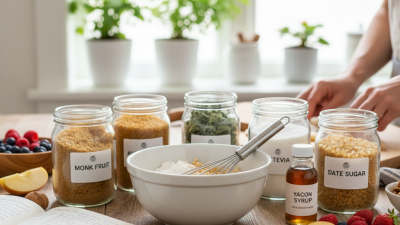
When looking for alternatives to erythritol, several options shine based on their properties. Monk fruit sweetener is one popular choice. It offers a sweet taste that can mimic sugar well. Its natural origin appeals to many. However, it can be costly, limiting its use for some.
Another noteworthy alternative is stevia. This plant-based sweetener is calorie-free, making it attractive for weight-conscious individuals. Stevia is much sweeter than sugar, so a little goes a long way. Still, some find its aftertaste off-putting. Experimenting with the right amount can be tricky.
Allulose is gaining attention too. This low-calorie sweetener behaves similarly to sugar in recipes. It browns well, making it suitable for baking. However, some may experience digestive discomfort with it. Understanding your body’s response is crucial when trying new sweeteners.
Adjusting Recipes for Different Sweetener Alternatives
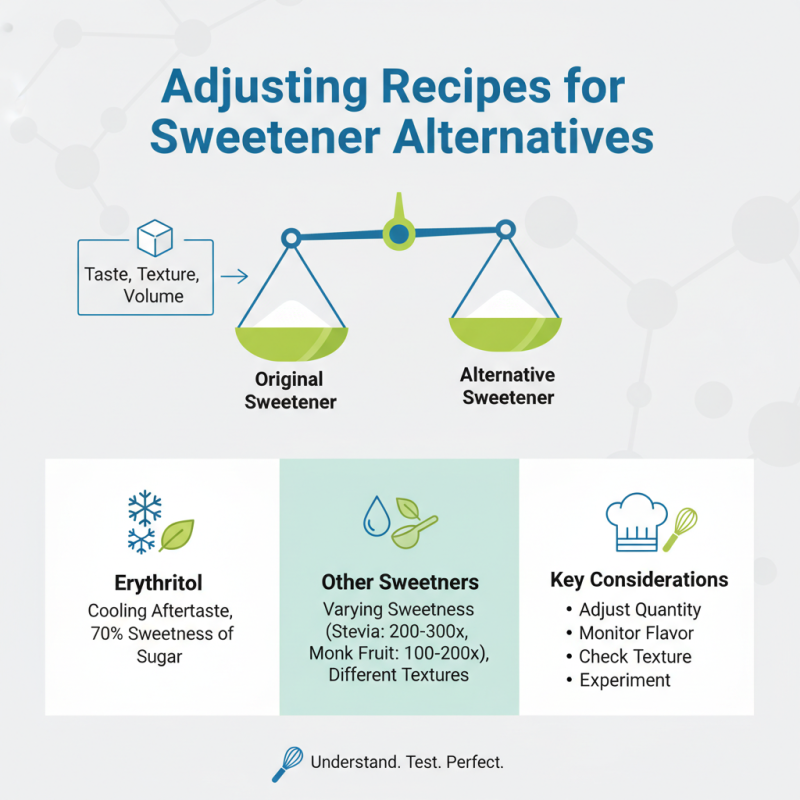
When adjusting recipes for different sweetener alternatives, it's essential to understand how each one behaves. Erythritol has unique properties, including a cooling aftertaste. Other sweeteners might not replicate this effect. Some may be sweeter or less sweet, influencing your recipe's final taste.
Measurement conversions are crucial. For instance, if using honey or agave, reduce the liquid quantity in your recipe. These sweeteners also add moisture, unlike erythritol. Start with smaller amounts and taste as you go. It’s common to find that your initial sweetness level may not be quite right.
Different sweeteners can have varying impacts on texture and baking time. Brown sugar can create a chewier cookie, while stevia might lead to a drier texture. Each substitution requires some experimentation. Adjust your baking temperatures accordingly as some may caramelize quicker than others. Keep notes on what works best for you. Learning through trial and error can lead you to new favorites in the kitchen.