How to Find the Best Substitute for Caster Sugar in Your Baking
When it comes to baking, the right ingredients make all the difference, and caster sugar is a staple for many recipes. However, there are instances where one might need to consider a substitute for caster sugar. Understanding the best substitute of caster sugar can transform a good recipe into a delightful masterpiece. This sentiment is echoed by Julia Morris, a renowned baking expert, who once stated, “Finding the right substitute of caster sugar can elevate your baking by adding unique flavors and textures.”
In the culinary world, caster sugar is appreciated for its fine granule size, which dissolves easily, helping to create light and airy confections. Yet, alternatives exist that can not only mimic this functionality but also bring new dimensions to baked goods. Exploring these substitutes opens up a world of possibilities for home bakers and professional chefs alike, allowing for creativity while accommodating dietary restrictions or personal preferences. As we delve further into this topic, we will uncover various substitutes for caster sugar, understanding their characteristics and how they can be utilized effectively in your baking endeavors.
Understanding Caster Sugar and Its Role in Baking
Caster sugar, also known as superfine sugar, plays a crucial role in baking due to its fine texture, which allows it to dissolve quickly and evenly. This property is particularly beneficial in recipes where a smooth consistency is essential, such as meringues, custards, and cakes. When integrated into batters and doughs, caster sugar enhances moisture retention and provides the right amount of sweetness without creating a grainy texture.
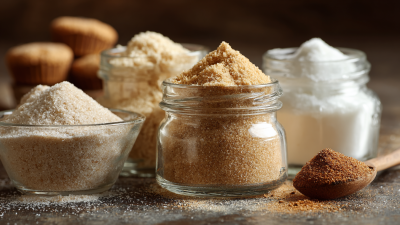
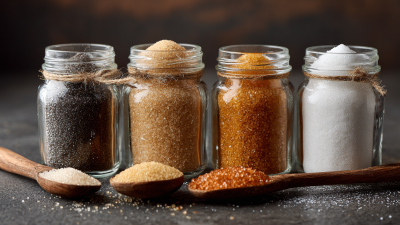
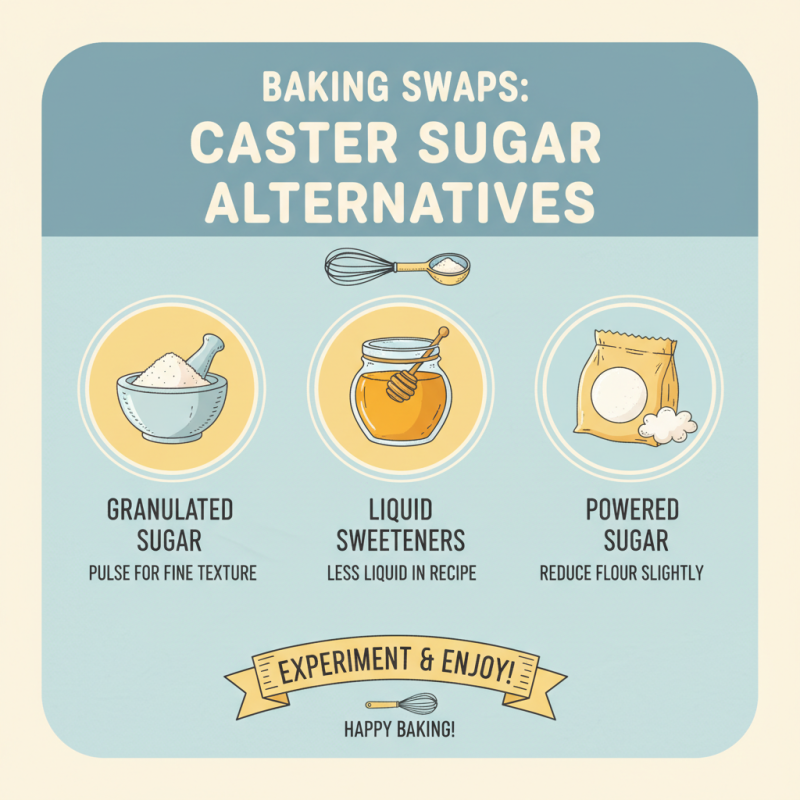
Tips for substituting caster sugar include using granulated sugar as a base. To achieve a similar texture, simply pulse granulated sugar in a food processor for a few seconds until it reaches a finer consistency. Another option is to use brown sugar, which not only provides sweetness but also adds a hint of richness due to its molasses content. Keep in mind that brown sugar may slightly alter the overall flavor and color of your baked goods.
For a healthier alternative, consider using coconut sugar. While it has a darker color and a different flavor profile, it can serve as a decent substitute in recipes that accommodate its unique taste. If you're aiming for a lower-calorie option, a sweetener like erythritol or monk fruit can also work, but be sure to adjust the quantity since these substitutes can vary in sweetness.
Best Substitute Options for Caster Sugar in Baking
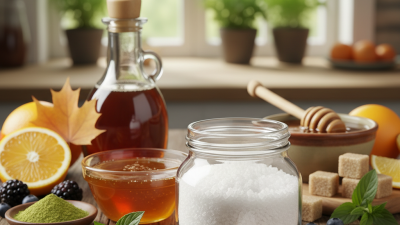
The chart above illustrates the relative sweetness levels of common substitutes for caster sugar in baking. While granulated sugar is typically used as a direct substitute, options such as brown sugar, honey, agave nectar, and maple syrup offer varying sweetness levels which can affect the overall flavor and texture of your baked goods.
Common Substitutes for Caster Sugar and Their Characteristics
When it comes to baking,
caster sugar plays a significant role due to its fine texture and ability to dissolve quickly.
However, there are several common substitutes that can be used effectively in its place.
One popular choice is granulated sugar.
Although it is coarser, it can be pulsed in a blender or food processor to achieve a finer consistency similar to caster sugar.
This makes it a convenient option for most baking recipes where a delicate sweetness is required.
Another effective substitute is brown sugar,
which adds a rich flavor and moisture to baked goods. The presence of molasses in brown sugar not only affects the taste but can also alter the texture,
making it ideal for cookies and cakes. For those looking for a healthier option, coconut sugar is a great alternative.
It has a lower glycemic index and imparts a subtle caramel flavor, which can enhance certain recipes while remaining a functional substitute for caster sugar.
Each of these alternatives brings unique characteristics to your baking, allowing for creativity and experimentation
without compromising results.
How to Adjust Recipes When Using Substitutes for Caster Sugar
When substituting caster sugar in baking, it is crucial to adjust recipes to maintain the intended texture and sweetness. Caster sugar is finer than granulated sugar, allowing it to dissolve more quickly and blend seamlessly into batters. When you opt for a substitute like granulated sugar, consider using 3:4 ratio, where 3 ounces of granulated sugar replace 4 ounces of caster sugar. This slight adjustment ensures that the sweetness level remains consistent while compensating for the larger granule size.
Moreover, the type of baking you’re engaging in can influence the effectiveness of your substitute. According to industry reports, the molecular structure of sugars impacts the Maillard reaction—a chemical reaction that gives baked goods their color and flavor. For instance, brown sugar can be used as a caster sugar substitute in recipes requiring caramelization, as it will provide additional moisture and a deeper flavor profile. It is advisable to mix brown sugar well with other dry ingredients beforehand to avoid clumping, which can lead to uneven baking results. Understanding these nuances can make a significant difference in your final product.
How to Find the Best Substitute for Caster Sugar in Your Baking - How to Adjust Recipes When Using Substitutes for Caster Sugar
| Substitute |
Quantity Used |
Texture Impact |
Flavor Impact |
Baking Temperature Adjustment |
| Granulated Sugar |
1 cup |
Slightly coarser |
Neutral |
No adjustment needed |
| Brown Sugar |
1 cup |
Moist and chewy |
Caramel notes |
Decrease by 25°F |
| Honey |
¾ cup |
Moist and sticky |
Floral, sweet |
Decrease by 25°F |
| Agave Syrup |
⅔ cup |
Less texture |
Mild |
Decrease by 25°F |
| Maple Syrup |
¾ cup |
Slightly sticky |
Maple flavor |
Decrease by 25°F |
Tips for Achieving the Best Texture with Sugar Substitutes
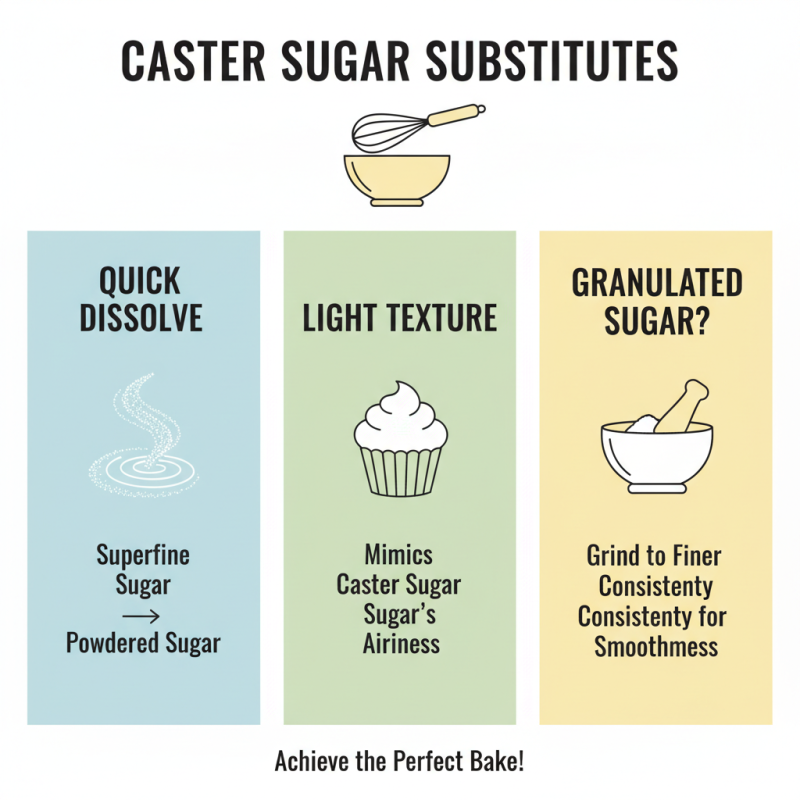
When replacing caster sugar in baking, achieving the right texture is crucial. Caster sugar, known for its fine granules, dissolves quickly and contributes to a light, airy structure in baked goods. To mimic this, consider using superfine sugar or even powdered sugar, as both can dissolve more readily than granulated sugar. If you opt for granulated sugar, make sure to grind it to a finer consistency before incorporation into your recipes to promote a smoother texture.
Another alternative is to utilize natural sweeteners such as honey or maple syrup, which can introduce additional moisture into your batter or dough. To counterbalance the extra liquid, adjust the other wet ingredients in your recipe, reducing them slightly to maintain the intended texture. Additionally, incorporating a small amount of cornstarch can help mimic the lightness that caster sugar offers, particularly in delicate pastries and cakes. Ultimately, understanding the role of sugar in your baking can guide you to make the best choice for texture and overall success in your creations.
Testing and Experimenting: Finding Your Preferred Substitute
When it comes to baking, caster sugar plays a crucial role in achieving the right texture and sweetness in your desserts. However, if you find yourself without it, testing and experimenting with various substitutes can lead to surprisingly delightful results. Each alternative has its unique properties, so it’s essential to approach your baking with an open mind and a willingness to tweak your recipes.
To begin your substitution journey, one effective tip is to measure your preferred alternative carefully. For example, if you're using granulated sugar, you might want to pulse it in a blender for a finer consistency. Remember, textures vary dramatically among substitutes, and this can influence the final product. Another suggestion is to start with smaller quantities and adjust to your taste. This allows you to find your preferred level of sweetness without overwhelming your dish.
Moreover, don't hesitate to combine substitutes for even better outcomes. For instance, mixing brown sugar with a small amount of honey can replicate some of the moisture and flavor profiles of caster sugar while adding a hint of richness. Keep a notepad handy to document what you try—this way, you can refine your approach and discover which combinations work best for your baking creations. Happy experimenting!