Xylitol for dental health has gained attention in recent years. This natural sugar alcohol offers surprising benefits for oral care. It is not just a sweetener; its properties can support better dental hygiene.
Many studies reveal how xylitol helps reduce cavities. When consumed, it inhibits the growth of harmful bacteria. These bacteria often lead to tooth decay and gum disease. Regular use of xylitol can actually change the mouth's environment. It promotes the growth of beneficial bacteria, creating a healthier oral ecosystem.
However, some may find it challenging to incorporate xylitol into their routine. Not everyone appreciates its taste or texture. Finding the right products that contain xylitol can be difficult. Despite these challenges, recognizing the potential of xylitol for dental health is crucial. Embracing this natural alternative can lead to brighter smiles and better dental outcomes.
Xylitol is a natural sugar alcohol. It is often found in sugar-free gum and candies. This ingredient offers unique benefits for dental health. It helps reduce cavities and tooth decay. Xylitol works by inhibiting the growth of harmful bacteria in the mouth. It can also help maintain a healthy pH balance.
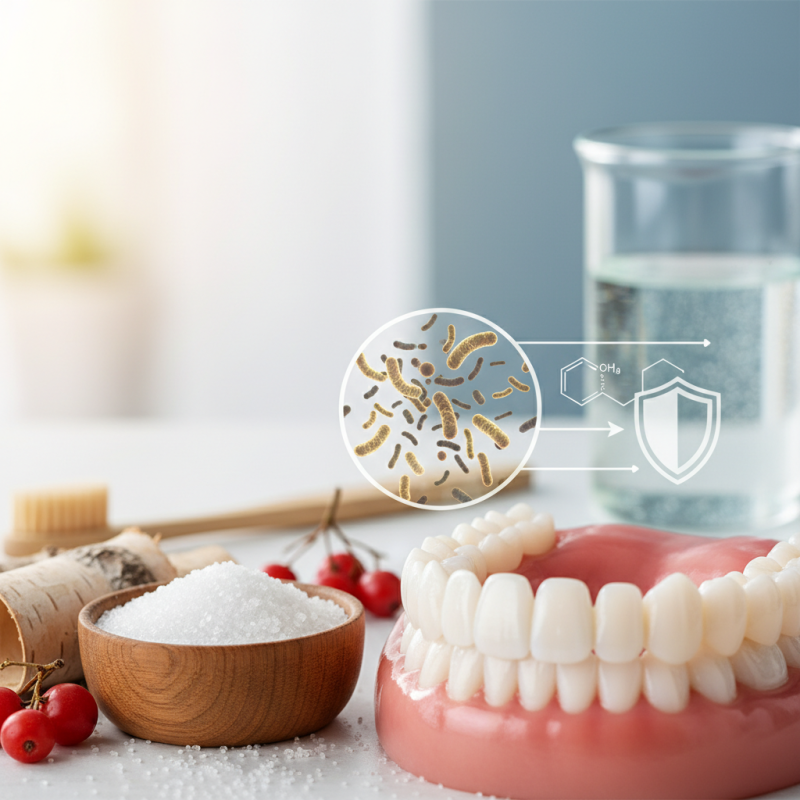
Incorporating xylitol into your daily routine can be simple. Chewing xylitol gum after meals can promote saliva production. Saliva is essential for washing away food particles and neutralizing acids. It is important to check gum labels for xylitol content. Not all sugar-free gums contain this beneficial ingredient.
Here's a tip: try rinsing your mouth with a xylitol solution. Mix xylitol powder with water for a quick mouth rinse. This practice can help prevent plaque buildup. Remember, moderation is key. Too much xylitol can lead to digestive discomfort. It’s all about finding the right balance while enjoying the benefits of xylitol for better oral health.
This bar chart illustrates the various benefits of xylitol for dental health, highlighting its effectiveness in reducing dental caries, plaque, promoting saliva production, and aiding in tooth remineralization.
Xylitol is a natural sugar alcohol that can significantly impact oral health. Its unique structure makes it less fermentable than regular sugars. When consumed, xylitol is not easily utilized by harmful bacteria in the mouth. Instead, these bacteria starve when xylitol replaces sugary foods. This shift leads to a lower acid production, which is essential for preventing tooth decay.
Moreover, xylitol actively changes the environment in the mouth. It promotes the growth of beneficial bacteria while inhibiting the harmful ones. This mechanism creates a healthier oral microbiome. However, it is not a magic bullet. Relying solely on xylitol is not enough for good dental health. Regular brushing and flossing are still essential.
Interestingly, not everyone responds to xylitol in the same way. Some might experience gastrointestinal discomfort if consumed in excess. It’s crucial to find the right balance for individual needs. Incorporating xylitol might improve your dental routine, but moderation is key. The effects can vary widely among individuals, and ongoing research is necessary to fully understand these dynamics.
Xylitol is a natural sweetener known for its dental health benefits. It can significantly reduce the risk of cavities. This sugar substitute accomplishes this by inhibiting the growth of harmful bacteria in the mouth. Unlike regular sugars, it does not ferment in the mouth. This property makes it a strong ally in oral hygiene.
Moreover, xylitol enhances saliva production. Saliva is crucial for maintaining oral health. It helps to neutralize acids produced by bacteria. Increased saliva flow can aid in remineralizing enamel. This process strengthens teeth and decreases the likelihood of decay. Chewing gum or mints containing xylitol can quickly stimulate saliva. Many people enjoy the sweet taste without the negative effects of regular sugar.
However, not everyone may benefit equally from xylitol. Some individuals might experience digestive discomfort. The key is moderation and paying attention to how your body reacts. It’s worth exploring xylitol as an alternative snack. It represents a proactive approach to dental care. Embracing it could lead to lasting improvements in oral health, but awareness is essential.
When it comes to dental health, understanding the differences between xylitol and sugar is crucial. Xylitol is a natural sugar alcohol. Unlike traditional sugar, it does not ferment in the mouth. This means it doesn't contribute to tooth decay. Sugar, on the other hand, feeds harmful bacteria. These bacteria produce acid that erodes enamel. Choosing xylitol can be a smart move for your dental health.
Here are some tips to incorporate xylitol into your routine. First, look for sugar-free chewing gum. Many brands use xylitol as a sweetener. Chewing this gum after meals can help reduce cavity-causing bacteria. Additionally, consider using xylitol as a sugar substitute in your baking. Just remember to start with small amounts since using too much can have digestive effects.
While switching to xylitol can be beneficial, it's essential to be mindful. Not everyone tolerates xylitol well. Some may experience digestive discomfort. If you’re unsure, introduce it gradually. Monitor your body's response over time. This approach helps ensure you enjoy the dental benefits without unwanted side effects.
| Aspect | Xylitol | Sugar |
|---|---|---|
| Cavity Prevention | Promotes mineralization of teeth and reduces decay-causing bacteria. | Contributes to acid production by bacteria, increasing decay risk. |
| Impact on Saliva Production | Stimulates saliva flow, helping to neutralize acids. | Does not significantly stimulate saliva flow. |
| Caloric Content | 2.4 calories per gram. | 4 calories per gram. |
| Blood Sugar Impact | Has a low glycemic index and does not spike blood sugar levels. | High glycemic index, can cause spikes in blood sugar levels. |
| Taste | Sweet with a refreshing taste, often used in sugar-free products. | Common sweet taste, used widely in various foods. |
Incorporating xylitol into your oral hygiene routine can be simple and enjoyable. Start by using xylitol-based gum after meals. Chewing gum stimulates saliva production, which helps neutralize acids. This can effectively reduce the risk of tooth decay. Aim for 5 to 10 grams of xylitol daily to gain the most benefits.
Consider using xylitol in your beverages. Add it to your morning tea or coffee as a sugar substitute. This way, you not only sweeten your drinks but also support your dental health. However, be mindful that some people may find xylitol less sweet than regular sugar.
Another option is to use xylitol-enriched toothpaste or mouthwash. These products can aid in oral health while providing fresh breath. However, not all products contain adequate levels of xylitol. Always check the labels to ensure you are getting a sufficient amount. Balancing xylitol with regular dental care, like brushing and flossing, remains essential.