Top 10 Benefits of Xylitol as a Sugar Alternative for Healthier Living
In recent years, the growing awareness of the health implications associated with high sugar consumption has led many individuals to seek out effective sugar alternatives. Among these, Sugar Alternatives Xylitol has gained significant attention for its impressive range of health benefits. According to a report by the World Health Organization, excessive sugar intake is linked to a surge in chronic conditions such as obesity, diabetes, and heart disease, prompting consumers to explore options that can help mitigate these risks.
Xylitol, a natural sugar alcohol derived from plants, not only serves as a sweetener but also offers unique advantages that can contribute to healthier living. Research published in the Journal of Dental Research highlights that Xylitol can reduce the risk of tooth decay by decreasing harmful bacteria in the mouth. Additionally, it has been noted in various studies that sugar alcohols like Xylitol can aid in lowering blood sugar levels compared to traditional sweeteners, making it a safer option for those managing diabetes. With the increasing emphasis on wellness and disease prevention, exploring the top ten benefits of Xylitol is essential for those seeking healthier alternatives to sugar.
Understanding Xylitol: What It Is and How It Works
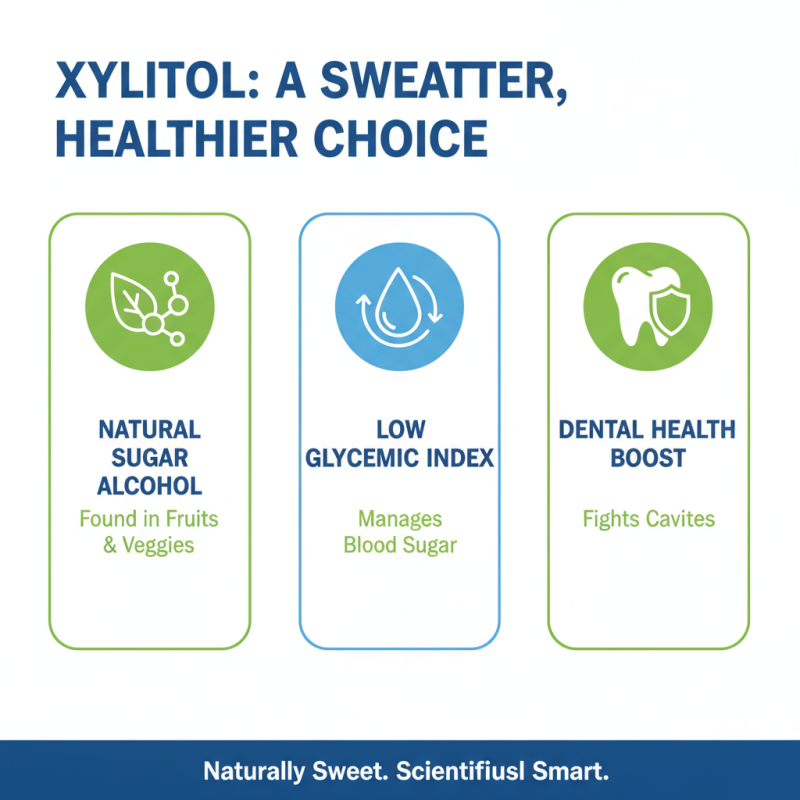
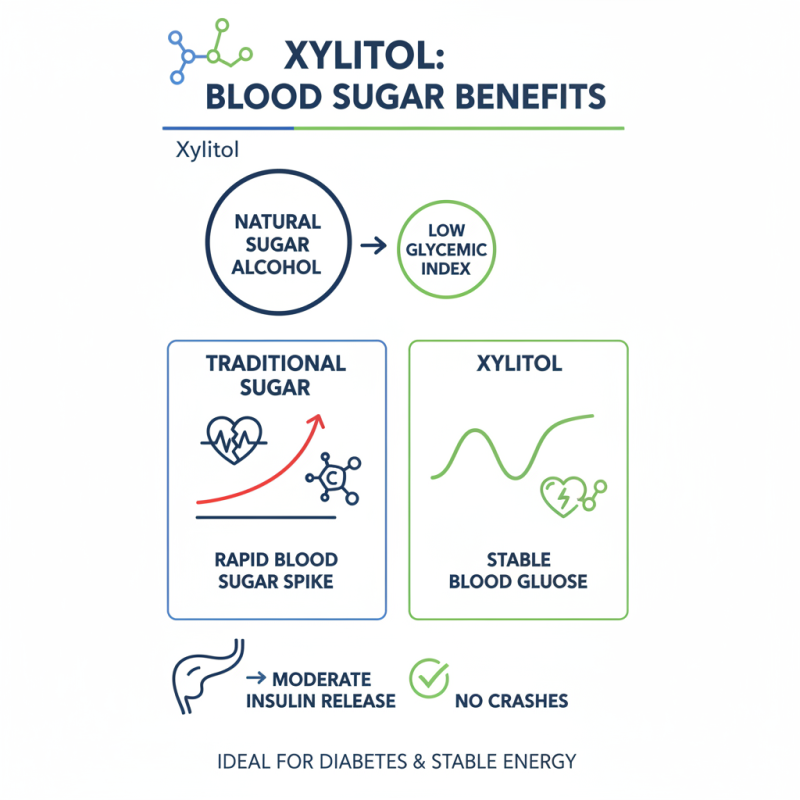
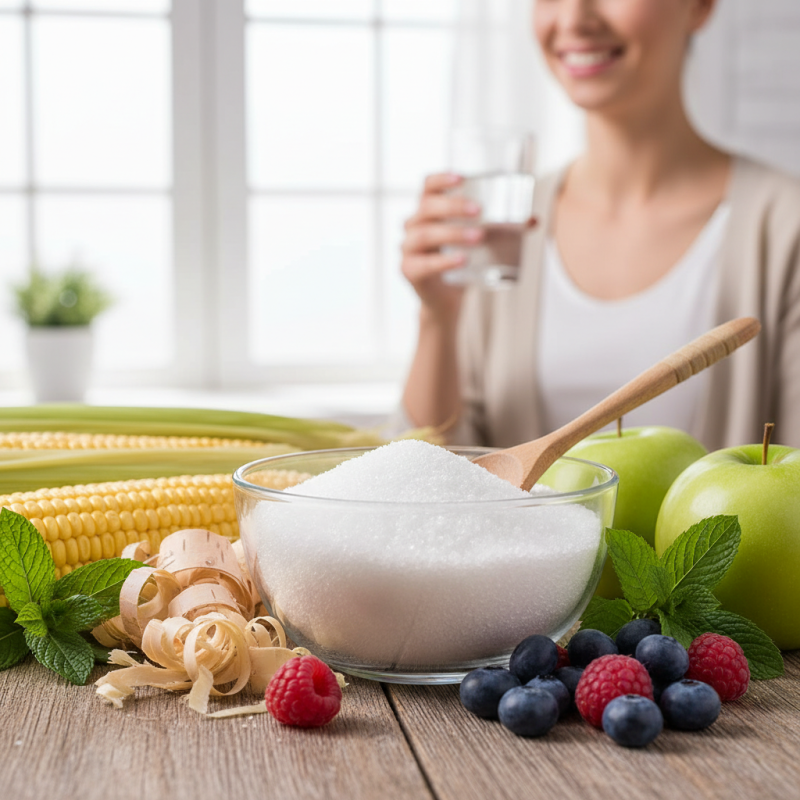
Xylitol is a naturally occurring sugar alcohol found in various fruits and vegetables, and it is widely recognized as a healthier alternative to traditional sugar. Unlike glucose, xylitol has a low glycemic index, which means it has minimal impact on blood sugar levels. This makes it particularly appealing for individuals managing diabetes or those seeking to reduce their sugar intake. Additionally, xylitol has been shown to promote dental health by inhibiting the growth of harmful bacteria in the mouth, thus reducing the risk of cavities.
When incorporating xylitol into your daily diet, it’s important to remember a few tips. First, start with small amounts to gauge how your body reacts, as some people may experience digestive discomfort if consumed in excess. Second, consider using xylitol in a variety of recipes, such as baked goods or beverages, to easily reduce sugar without sacrificing taste. Lastly, be cautious with pets, as xylitol can be toxic to dogs, and ensure it's stored safely away from them.
Understanding how xylitol works in your body can pave the way to healthier living. Its unique properties not only provide a sweet flavor but also contribute positively to overall health. By making simple adjustments and substituting xylitol for sugar, you can enjoy delicious treats while supporting your wellbeing.
Comparative Analysis: Xylitol vs. Traditional Sugars
Xylitol, a natural sugar alcohol, offers a compelling alternative to traditional sugars, particularly in terms of health benefits. One of its most significant advantages is its low glycemic index (GI) of approximately 7, compared to sucrose, which has a GI of around 60-65. This property makes xylitol an excellent choice for individuals managing diabetes or those seeking to maintain stable blood sugar levels. Additionally, xylitol has been shown to reduce the risk of dental cavities. A study published in the Journal of Dental Research reported that xylitol can inhibit the growth of cavity-causing bacteria, highlighting its role as a healthier sweetening option.
When comparing xylitol to traditional sugars, the benefits extend to oral health and caloric content. Xylitol contains about 40% fewer calories than regular sugar, making it a viable choice for those looking to reduce caloric intake without sacrificing sweetness. Furthermore, unlike traditional sugars, xylitol does not contribute to tooth decay, which is a significant consideration for maintaining long-term oral health. A 2020 study indicated that regular consumption of xylitol can significantly decrease the levels of Streptococcus mutans, a bacteria linked to tooth cavities.
Tips: When incorporating xylitol into your diet, consider using it in baking and cooking as a one-to-one substitute for sugar, which can help manage calorie intake and reduce the risk of tooth decay. Additionally, aim to choose products with xylitol listed as the primary sweetener to maximize its health benefits. It’s also essential to introduce xylitol gradually, as consuming it in excess can lead to digestive discomfort.
Top 10 Benefits of Xylitol as a Sugar Alternative for Healthier Living - Comparative Analysis: Xylitol vs. Traditional Sugars
| Benefit |
Xylitol |
Traditional Sugars (e.g., Sucrose) |
| Dental Health |
Reduces cavity-causing bacteria |
Promotes cavity growth |
| Glycemic Index |
Low GI (approximately 7) |
High GI (typically around 60-65) |
| Calories |
2.4 calories per gram |
4 calories per gram |
| Insulin Response |
Minimal insulin response |
High insulin spike |
| Weight Management |
Helps control weight |
Contributes to weight gain |
| Digestive Health |
Prebiotic properties |
No prebiotic benefits |
| Aftertaste |
Pleasant sweetness, no aftertaste |
Often leaves a sugary aftertaste |
| Usage in Recipes |
Great for baking and cooking |
Widely used, but may caramelize |
| Microbial Growth |
Inhibits harmful bacteria |
Promotes growth of harmful bacteria |
| Allergies and Triggers |
Generally safe for most |
Can trigger allergies in some |
Health Advantages: How Xylitol Contributes to Oral Health
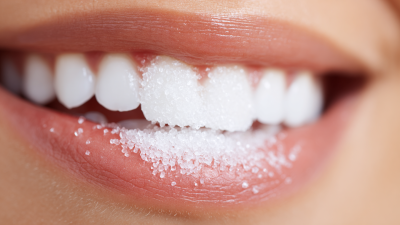
Xylitol has gained significant attention in recent years, particularly for its contributions to oral health. Research studies indicate that xylitol can effectively reduce the levels of decay-causing bacteria in the mouth. A study published in the “Journal of Dentistry” demonstrated that regular xylitol consumption can lead to a 75% reduction in the incidence of dental cavities within populations prone to tooth decay. This is attributed to xylitol’s ability to disrupt the metabolic processes of harmful oral bacteria, consequently reducing their numbers and the acids they produce, which are responsible for enamel erosion.
Incorporating xylitol into your daily routine can be a simple yet impactful change for dental health. Using xylitol-based products such as toothpaste or mouthwash can provide extra protection against cavities. Additionally, chewing xylitol gum after meals can stimulate saliva production, which helps to neutralize acids and wash away food particles. It’s essential to consume xylitol in moderation, with an ideal daily intake ranging from 5 to 10 grams for optimal oral benefits.
Tips: Remember to check the ingredients of any dental products you choose to ensure they contain an effective concentration of xylitol. Also, consider gradually replacing sugar with xylitol in your baking and cooking to help your family adjust to this healthier alternative without sacrificing taste.
Impact on Blood Sugar: Xylitol's Role in Diabetes Management
Xylitol, a natural sugar alcohol, has gained significant attention for its potential benefits in managing blood sugar levels. Unlike traditional sugar, xylitol has a low glycemic index, which means it has a minimal impact on blood glucose levels when consumed. This property makes it an appealing alternative for those with diabetes or individuals looking to maintain stable blood sugar levels. When xylitol is ingested, it stimulates insulin secretion but at a much lower rate than glucose, which can help in preventing the spikes and crashes often experienced with high-sugar foods.
In addition to its role in blood sugar regulation, xylitol also offers other advantages for those managing diabetes. It can enhance the body's ability to absorb calcium, further promoting dental health and bone strength—an essential factor for individuals with diabetes who may be at risk for other health issues. Furthermore, the incorporation of xylitol into a diet can help satisfy sweet cravings without the guilt associated with traditional sugars, encouraging healthier eating habits overall. As more people seek natural and effective solutions for diabetes management, xylitol emerges as a noteworthy option in the quest for a balanced lifestyle.
Versatile Uses: Incorporating Xylitol into Your Daily Diet
Incorporating xylitol into your daily diet can be an innovative way to enhance your health while still enjoying sweetness. This sugar alternative, derived from natural sources like birch trees and corn, offers the same level of sweetness as sucrose but with fewer calories—approximately 40% lower. According to a report from the National Institute of Health, xylitol's low glycemic index makes it a favorable option for individuals managing diabetes, as it does not cause significant spikes in blood sugar levels. This characteristic not only aids in blood sugar control but also supports overall metabolic health.
Beyond being a healthier sweetener for baking and cooking, xylitol's versatility extends to oral hygiene. Studies highlighted in the Journal of the American Dental Association have shown that xylitol can help reduce the risk of tooth decay and promote better dental health by disrupting the growth of bacteria that cause cavities. By substituting traditional sugars with xylitol in everyday products such as toothpaste or chewing gum, consumers can take proactive steps towards maintaining a healthier mouth. Therefore, integrating xylitol into beverages, snacks, and personal care routines can significantly contribute to a wholesome lifestyle while enjoying the sweetness you love.
Top 10 Benefits of Xylitol as a Sugar Alternative
This chart illustrates the top 10 benefits of using xylitol as a sugar alternative, showcasing its advantages over regular sugar in various health aspects.