Why Choose Powdered Stevia for Baking Benefits and Tips?
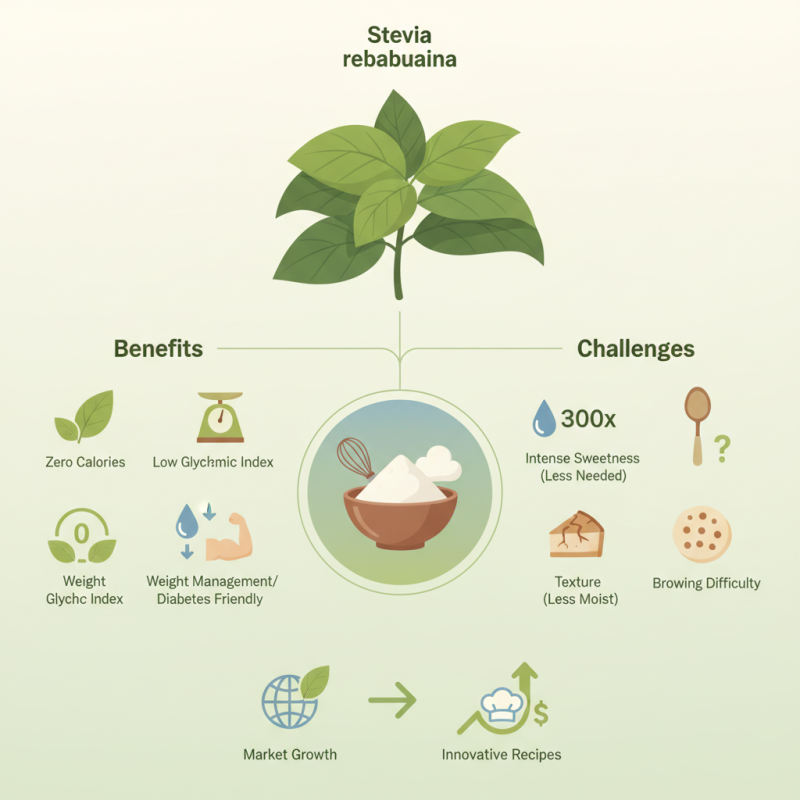
The rise in health consciousness has driven many to seek alternatives to sugar. One such option is powdered stevia for baking. According to the FDA, this natural sweetener is derived from the leaves of the Stevia rebaudiana plant. It is recognized for having zero calories and a low glycemic index, making it a popular choice among those managing weight and diabetes.
However, the use of powdered stevia in baking presents both benefits and challenges. Research indicates that stevia can be 50 to 300 times sweeter than sugar. This means you need much less of it in recipes. Yet, the texture and taste can be different from traditional sweeteners. Some bakers find that their cakes or cookies lack the desired moistness. Others struggle to achieve the same browning when using stevia.
Despite these hurdles, incorporating powdered stevia for baking offers unique possibilities. The market for natural sweeteners is projected to grow significantly. In fact, a report suggests that demand for sugar alternatives will reach $2.8 billion by 2025. As bakers explore innovative recipes, they may find their perfect balance with powdered stevia, transforming desserts into healthier options.
Benefits of Using Powdered Stevia in Baking
Powdered stevia offers a unique alternative to traditional baking sweeteners. It provides the sweetness of sugar without the calories. This sugar substitute is derived from the leaves of the stevia plant. Many home bakers find it ideal for recipes that require slight adjustments.
Using powdered stevia can sometimes lead to a different texture in baked goods. It may make cookies less chewy or cakes less fluffy. This is something to consider when experimenting. A common challenge is balancing the sweetness; a little too much can lead to bitterness. Finding the right ratio often involves some trial and error.
Incorporating stevia also introduces a distinct flavor. It can enhance certain recipes while overpowering others. It’s essential to taste and adjust as needed. Some bakers enjoy blending stevia with other sweeteners to achieve a harmonious flavor. This balance can improve results while maintaining a lower calorie count.
Benefits of Using Powdered Stevia in Baking
Comparison of Powdered Stevia and Traditional Sweeteners
When comparing powdered stevia to traditional sweeteners, many benefits emerge. Powdered stevia is derived from the leaves of the stevia plant. It contains zero calories, making it an attractive option for those monitoring their calorie intake.
Traditional sweeteners, like sugar, often lead to spikes in blood sugar levels. In contrast, stevia has a negligible effect on blood glucose, as shown in a report by the American Journal of Clinical Nutrition.
One significant advantage of powdered stevia is its intense sweetness. Just a small amount can replace a significant quantity of sugar. This can lead to lower overall sugar consumption in baking.
However, this sweetness can sometimes be overpowering. Finding the right balance is crucial for achieving desired results. For best outcomes, start with a small quantity and adjust as needed.
When using powdered stevia, consider these tips. First, mix it well with dry ingredients to avoid clumping. Second, remember that stevia doesn't caramelize like sugar.
Therefore, recipes requiring browning may need adjustments. Lastly, pairing stevia with other sweeteners can enhance flavors. It’s these little adjustments that often require reflection and experimentation.
Finding the perfect blend may take time, so don't hesitate to play around with recipes.
Tips for Substituting Powdered Stevia in Baking Recipes
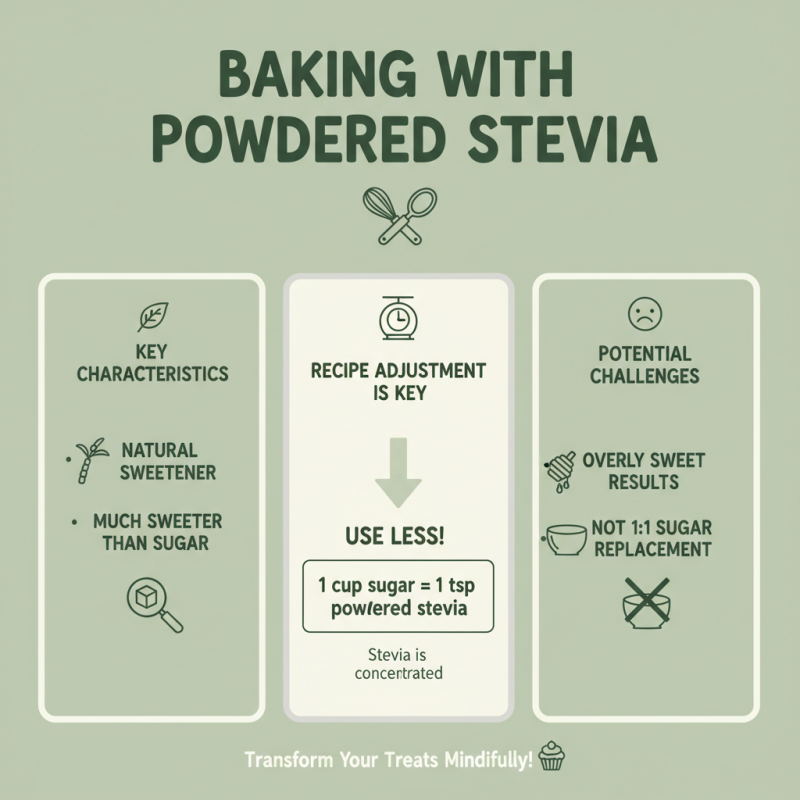
When baking with powdered stevia, adjusting your recipes is key. It's a natural sweetener that can transform your treats. However, it’s not always a perfect replacement in recipes that call for sugar. Stevia is much sweeter, so using too much can lead to overly sweet results.
Start by substituting half the amount of sugar called for in your recipe. For instance, if a recipe requires one cup of sugar, try using half a cup of powdered stevia. Test the batter along the way. Taste and adjust as needed.
When baking, consider the texture. Sugar contributes to moisture and browning. To account for this, add a bit of extra liquid or fat. This helps maintain the desired consistency. Baking may turn out differently than expected. Be prepared to experiment. This can lead to new, surprising flavors and textures.
Understanding the Flavor Profile of Powdered Stevia
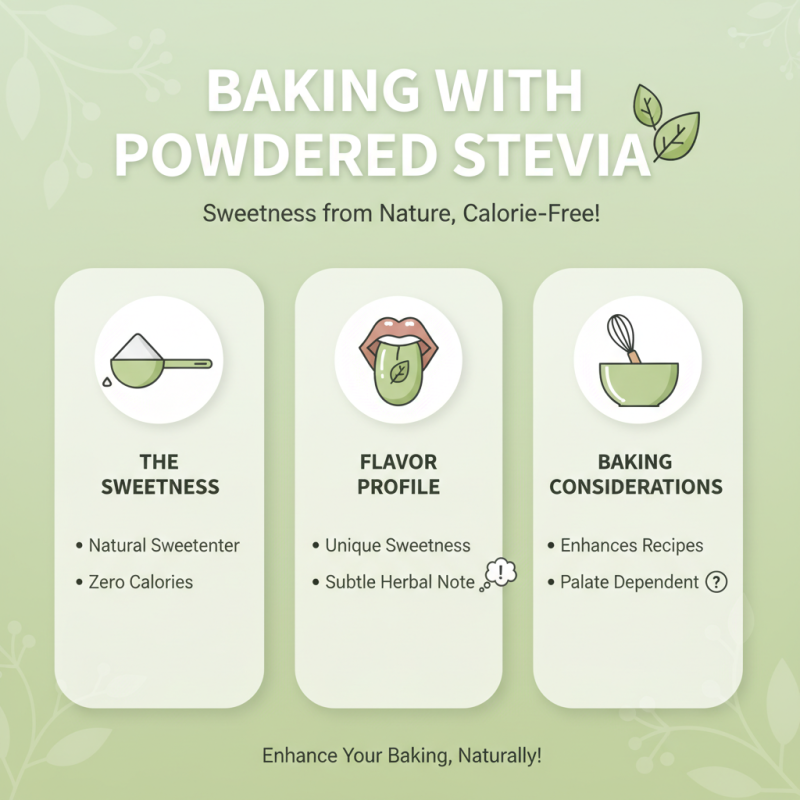
When considering powdered stevia for baking, understanding its flavor profile is crucial. This natural sweetener can enhance your recipes without the calories of sugar. It offers a unique sweetness, often described as having a slight herbal taste. This can be a delightful addition, but it may not suit every palate.
Proportion is key with powdered stevia. It is much sweeter than sugar, so adjustments are necessary. Too much can lead to an overpowering taste. Start with a small amount, then adjust as needed. Keep in mind that not all baked goods react the same way. Some recipes may mask the flavor well, while others could amplify it unexpectedly.
Texture also plays a role. Powdered stevia blends easily into batters and doughs. However, it may alter the texture, making baked goods denser. It can take some experimentation to find the right balance. The aim is to create delicious treats that everyone will enjoy. Embrace the learning curve when baking with this sweetener. It’s a journey worth taking, even if it involves some trial and error.
Common Baking Mistakes When Using Powdered Stevia
Baking with powdered stevia can transform your recipes, but it’s easy to make mistakes. One common error is not adjusting the liquid ratios. Stevia is not as hydrating as sugar. Reducing the liquid in your batter is essential when you replace sugar with stevia. This adjustment can prevent your baked goods from being too runny.
Another pitfall is overlooking the sweetness level. Stevia is significantly sweeter than regular sugar. Using too much can lead to an overpowering taste. Start with half the amount of stevia compared to sugar, then adjust to your preference. This method helps you find the right balance without overwhelming your palate.
**Tips:** Always sift powdered stevia before adding it to your mix. This step helps break up any clumps. Clumpy stevia can lead to uneven sweetness in your baked goods. Additionally, bake at a lower temperature to preserve the flavor of stevia. High temperatures can alter its taste and diminish the overall quality of your treats.
Why Choose Powdered Stevia for Baking Benefits and Tips? - Common Baking Mistakes When Using Powdered Stevia
| Benefit |
Detail |
| Zero Calories |
Powdered stevia contains no calories, making it an ideal sugar substitute for weight management. |
| Natural Sweetener |
Derived from the leaves of the stevia plant, it is a natural alternative to artificial sweeteners. |
| Low Glycemic Index |
Does not spike blood sugar levels, suitable for diabetics. |
| Versatility |
Can be used in various recipes, from baking to beverages. |
| Health Benefits |
May have antimicrobial and anti-inflammatory properties. |
Common Baking Mistakes When Using Powdered Stevia
| Mistake |
Description |
| Not Adjusting Liquid |
Failing to reduce liquids in recipes as stevia can add moisture. |
| Over-Sweetening |
Using too much stevia, as it is significantly sweeter than sugar. |
| Ignoring Flavor Balance |
Not incorporating other flavors and ingredients to balance the sweetness. |
| Skip Testing |
Not experimenting with different recipes to find the right balance and texture. |
| Misjudging Texture |
Neglecting that stevia can alter the texture in baked goods. |