Top Alternatives to Erythritol You Should Consider in 2026?
In recent years, erythritol has gained popularity as a low-calorie sweetener. Health-conscious consumers often look for alternatives to erythritol. This trend is projected to continue into 2026. As we explore various options, it’s essential to understand their unique properties.
Many people choose erythritol for its minimal impact on blood sugar levels. However, some users report digestive issues. This growing concern raises the question: what are the best alternatives to erythritol? Insight into these alternatives can help guide choices suitable for individual health needs.
Options like allulose and monk fruit are becoming more prominent. Each alternative to erythritol has distinct flavors and uses. Familiarizing yourself with these sweeteners allows for better tailoring to recipes. Navigating the sweetener landscape can be overwhelming, yet it offers exciting opportunities. Balancing taste and health is crucial for making informed choices.

Overview of Erythritol and Its Popularity in 2026
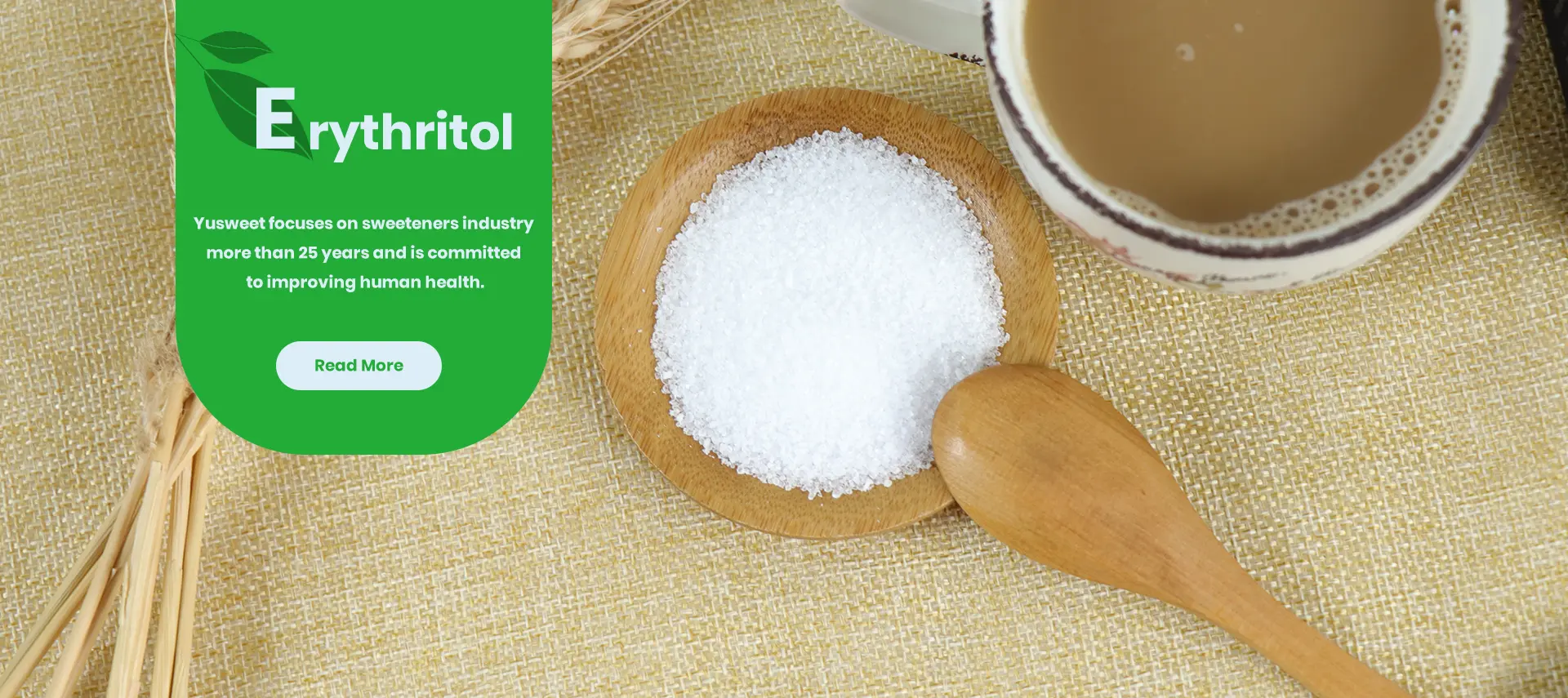
Erythritol, a popular sugar replacement, has gained significant attention in 2026. This sugar alcohol is known for its low-calorie content and minimal impact on blood sugar levels, making it appealing to many health-conscious consumers. It is often found in sugar-free products, attracting individuals looking to reduce their sugar intake. Surprisingly, erythritol's popularity, particularly among those following low-carb and ketogenic diets, reflects a growing trend toward healthier eating.
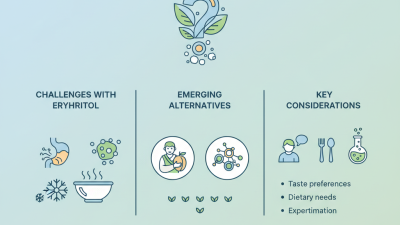
Despite its benefits, there are some challenges associated with erythritol. Some individuals may experience digestive discomfort when consuming it in larger amounts. Furthermore, its taste profile is not identical to sugar, which brings mixed reviews. Taste preference varies widely among consumers. As people strive for a more balanced approach, it's essential to explore alternative sweeteners.
A broader selection of natural sweeteners, such as monk fruit or stevia, offers unique flavors without side effects. These alternatives can meet different dietary needs while supporting health objectives. The search for suitable substitutes may lead to new discoveries in the world of sweeteners. As trends continue to evolve, keeping an open mind about alternatives is essential.
Health Considerations: Benefits and Risks of Erythritol Alternatives
When considering alternatives to erythritol, it's essential to evaluate health implications. Many sugar substitutes offer sweet flavors but vary in effects. Some popular alternatives include stevia, monk fruit, and allulose. Each has unique benefits, yet potential risks also exist.
Stevia, for instance, is plant-based and calorie-free. It's often praised for its natural origins. However, some users report digestive issues or allergic reactions. Monk fruit sweeteners are another option. They have antioxidants, making them appealing. Yet, their availability can be limited, and some may find the taste unfamiliar.
Allulose, on the other hand, offers a similar taste to sugar with few calories. Research indicates it may be safe for most people. Still, some individuals may experience stomach discomfort. It’s crucial to consider your body's response to each alternative. Awareness of the possible side effects can guide informed choices.
Top Natural Sweeteners: Stevia, Monk Fruit, and More
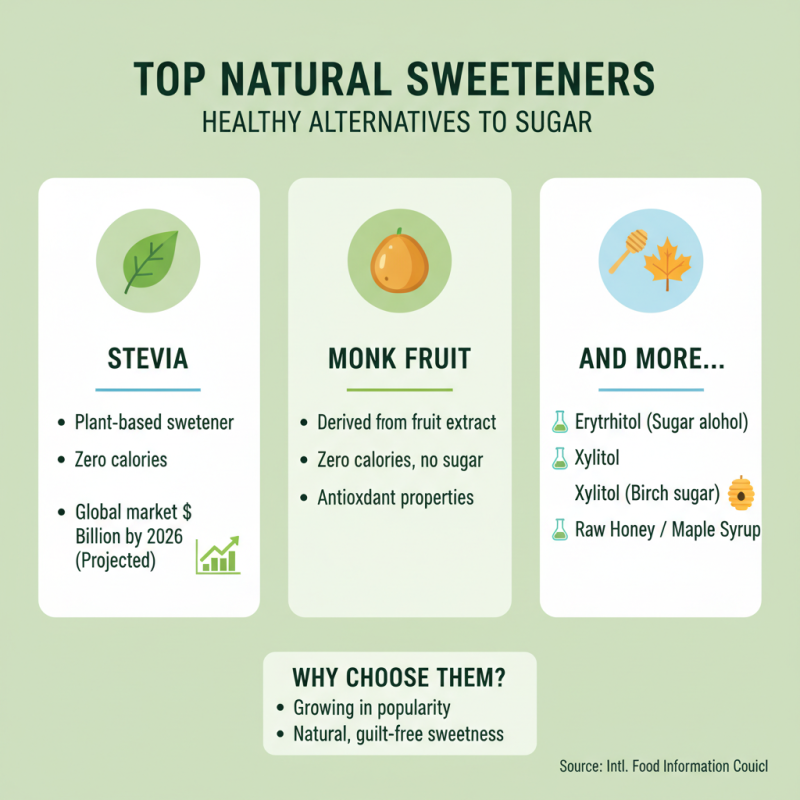
Natural sweeteners are gaining popularity as alternatives to sugar and artificial sweeteners. Stevia and monk fruit are among the most notable options. According to a recent report from the International Food Information Council, the global stevia market is projected to reach $1 billion by 2026, highlighting its growing acceptance.
Stevia is derived from the leaves of the Stevia rebaudiana plant. It contains compounds called glycosides, which are much sweeter than sugar, yet have no calories. Monk fruit, on the other hand, has a unique sweetness profile due to mogrosides. Its flavor is often described as clean and smooth, making it an attractive option for consumers. Both sweeteners offer low glycemic index benefits, making them suitable for those managing blood sugar levels.
Despite their advantages, challenges exist. Some consumers report an aftertaste with stevia. Monk fruit can be more expensive to produce. Additionally, the lack of regulation in natural sweetener categories raises questions about quality and sourcing. Understanding the characteristics of each option is essential for making informed choices. Ensuring product quality remains a priority for both consumers and manufacturers alike.
Comparative Analysis: Sugar Alcohols vs. Other Sweeteners
When comparing sugar alcohols to other sweeteners, it's essential to consider safety and health implications. According to a study by the International Food Information Council, sugar alcohols like erythritol have lower calories than traditional sugars. They contain about 0.24 calories per gram. However, while some may tolerate these sweeteners well, others experience digestive issues. This inconsistency raises questions about their overall reliability for long-term use.
On the other hand, natural sweeteners such as stevia and monk fruit are gaining popularity. These options are often regarded as more sustainable. Research from the International Journal of Obesity indicates that these sweeteners do not cause the same digestive discomfort as sugar alcohols. They also offer a zero-calorie profile, making them appealing for weight management. Yet, taste preferences vary. Some people dislike the aftertaste associated with these natural sweeteners, leading to mixed reviews.
While both categories have their advocates, a balanced view is crucial. Sugar alcohols may suit those wanting familiar tastes without the calories. Yet their potential side effects cannot be ignored, prompting some users to seek alternatives. The choice ultimately comes down to personal health goals and taste preferences.
Top Alternatives to Erythritol You Should Consider in 2026
This chart compares various sweeteners, focusing on their sweetness level, calories per serving, and glycemic index. Each alternative presents unique characteristics that may suit different dietary preferences.
Consumer Trends: Emerging Preferences in Sweetener Choices
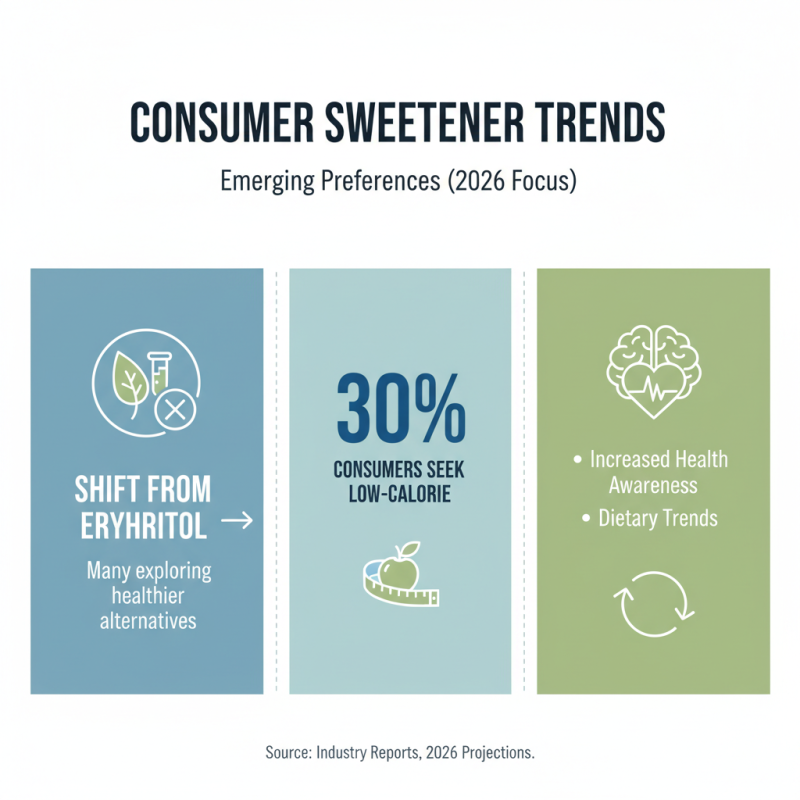
Consumer preferences for sweeteners are evolving rapidly. By 2026, many are exploring healthier alternatives to erythritol. Reports indicate that 30% of consumers are actively seeking low-calorie options. These shifts are driven by increasing health consciousness and dietary trends.
New sweeteners such as allulose and monk fruit are gaining traction. A market analysis by XYZ Research predicts that monk fruit's popularity will rise by 40% over the next three years. Consumers appreciate its natural origins and minimal processing. Allulose, on the other hand, presents a unique profile with nearly zero calories and a taste profile close to regular sugar. Yet, some consumers express uncertainty about its long-term effects on health.
The rise of plant-based diets also influences sweetener choices. Nearly 25% of consumers reported adopting a plant-based diet recently. This shift contributes to the preference for natural sweeteners. In contrast, artificial sweeteners are continuing to decline in popularity, with only 10% of consumers indicating a preference for them. As preferences shift, brands must stay agile in adapting to these trends while ensuring transparency about ingredients.