Best Alternatives To Erythritol for Your Diet?
Erythritol is a popular sugar substitute known for its low-calorie profile. However, it may not suit everyone. Some people experience digestive issues or simply prefer different tastes. Exploring the best alternatives to erythritol can enhance your diet and satisfy your sweet cravings.
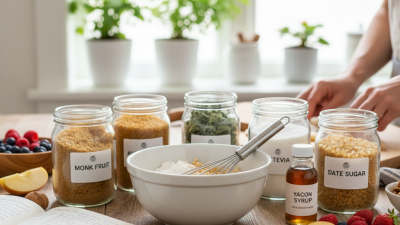
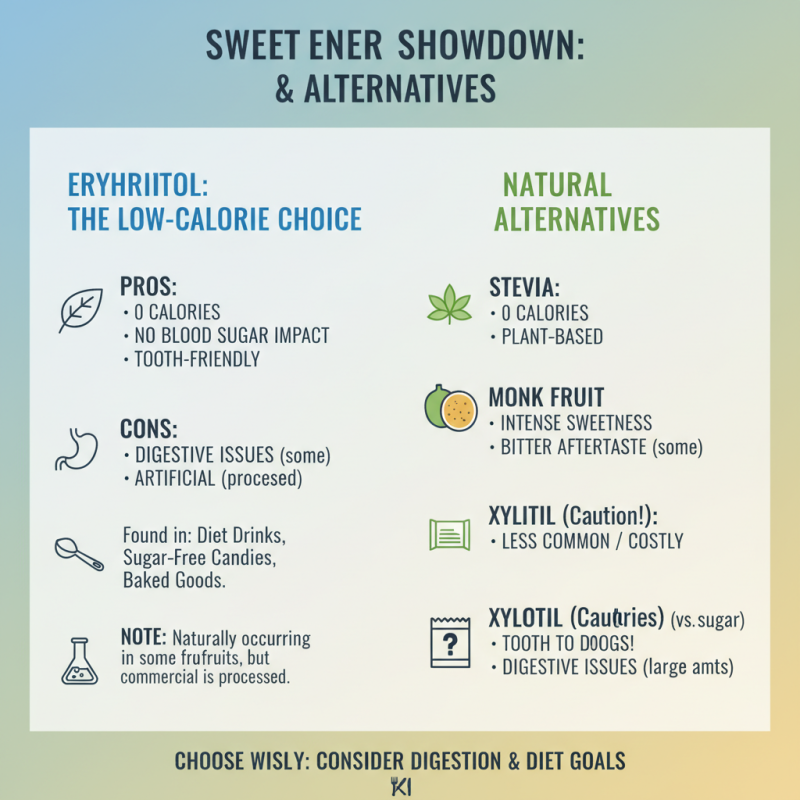
When searching for an alternative to erythritol, it's essential to consider health benefits and sweetness levels. Some alternatives may provide better texture in baked goods or beverages. Stevia, for instance, is a natural sweetener with zero calories, but it can have an aftertaste. Monk fruit is another contender, offering sweetness without calories, but it's also less familiar.
Finding the right alternative to erythritol can take experimentation. Each person's palate is unique, and what works for one may not for another. It's a journey, not a destination. The right choice can improve your recipes while keeping a healthier lifestyle. Remember, not all sugar substitutes are created equal. Choose wisely!
Best Alternatives to Erythritol for Your Diet: A Comprehensive Overview
Erythritol has gained popularity as a sugar alternative. However, many are seeking other options for various reasons. Research by the International Society of Nutritional Sciences shows that about 20% of consumers prefer alternatives due to concerns over digestive tolerance.
Stevia is a natural sweetener that has been widely studied. Studies indicate that it is about 50 to 300 times sweeter than sugar, offering a potent option for those aiming to reduce caloric intake. Its glycemic index is zero, making it diabetes-friendly. However, some report an aftertaste, which may hinder its use in certain recipes.
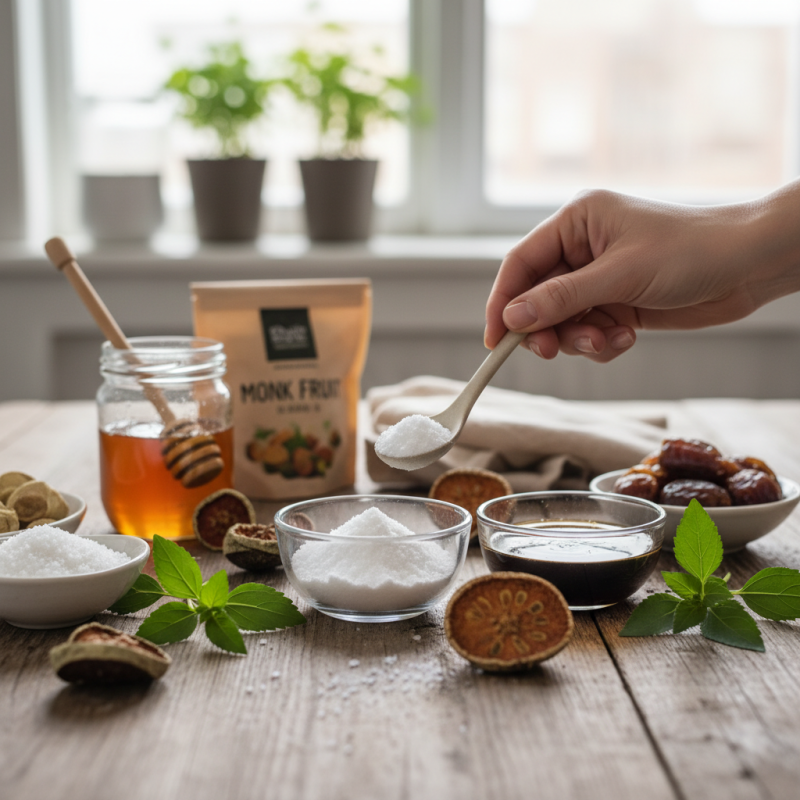
Monk fruit, another alternative, contains compounds called mogrosides. These are responsible for its sweetness and have antioxidant properties. Reports show that monk fruit can be up to 200 times sweeter than sugar. Yet, it can be cost-prohibitive. Usage in baking may require adjustments, unlike erythritol, which can mimic sugar’s texture. Some consumers find their baking results inconsistent with monk fruit alone.
Understanding Erythritol: Benefits and Limitations in Your Diet
Erythritol is a sugar alcohol that has gained popularity for its low-calorie sweetness. It's often used as a sugar substitute in various diets. One of its main benefits is its minimal impact on blood sugar levels. This makes it an appealing option for people with diabetes. However, it does come with limitations, including digestive issues for some. Not everyone tolerates erythritol well. It can cause bloating for certain individuals.
Tips: When experimenting with erythritol, start with small amounts. This way, you can gauge your body's response. If you feel discomfort, it may be best to try alternatives.
Some suitable alternatives to consider include stevia and monk fruit. Both provide sweetness without added calories. They also don’t spike blood sugar levels. They might require adjustments in recipes to achieve the desired flavor. Always check labels, as some products may contain additives that can affect your diet.
Tips: Test different sweeteners in small recipes. This can help you discover your preferred flavor profile. Remember, balance is key. Moderation will help you adjust to new tastes without overwhelming your diet.
Best Alternatives To Erythritol for Your Diet
Natural Sweeteners: Examining Stevia and Monk Fruit as Alternatives
Natural sweeteners like stevia and monk fruit have gained popularity as alternatives to erythritol. Both offer unique benefits and flavors. Stevia comes from the leaves of the Stevia plant, providing a sweet taste without calories. It's ideal for those on low-sugar diets. Monk fruit, or luo han guo, has been used for centuries in Asia. It has a distinct sweetness and is also calorie-free.
When selecting between stevia and monk fruit, consider their taste profiles. Stevia can have a slightly bitter aftertaste for some. Monk fruit, on the other hand, has a more rounded sweetness. Experimenting with both can help you discover what suits your palate best.
Tips: Start with small amounts when incorporating these sweeteners. Gradually adjust according to your taste. Mixing them might create a balanced flavor. Always check ingredient labels for potential additives that may alter their natural qualities.
Consumer Preferences: Trends in Low-Calorie Sweetener Choices in 2023
In 2023, consumer preferences for low-calorie sweeteners have evolved significantly. People are moving towards natural alternatives. This shift reflects a desire for wellness and clean eating. Sweeteners like monk fruit and stevia have gained popularity. They offer sweetness without calories. Many consumers are scrutinizing ingredient lists more closely. Transparency is key for health-conscious buyers.
However, not every alternative is perfect. For instance, while stevia is natural, some find its aftertaste off-putting. Others may experience digestive issues with certain sugar alcohols. Adjusting to a new sweetener can take time. Some individuals miss the taste of erythritol, leading to dissatisfaction. It’s essential to experiment and find what works best for personal preferences.
The trend also sees an increase in blending sweeteners. Combining different types can enhance flavors while lowering calories. This approach helps mask undesirable tastes and improves overall satisfaction. Consumers are learning to navigate these options. The journey towards healthier choices invites exploration and reflection. It's a process that reshapes our relation to sweetness.
Best Alternatives To Erythritol for Your Diet? - Consumer Preferences: Trends in Low-Calorie Sweetener Choices in 2023
| Sweetener |
Calories per Gram |
Glycemic Index |
Taste Profile |
Common Uses |
| Stevia |
0 |
0 |
Sweet, with a slight aftertaste |
Beverages, baking, cooking |
| Monk Fruit |
0 |
0 |
Sweet and fruity with no aftertaste |
Baking, beverages |
| Allulose |
0.4 |
0 |
Sweet, similar to sugar |
Baking, desserts |
| Sucralose |
0 |
0 |
Sweet, with no aftertaste |
Beverages, cooking, baking |
| Xylitol |
2.4 |
7 |
Sweet, cooling effect |
Candies, dental products |