7 Best Alternatives to Erythritol for Global Buyers?
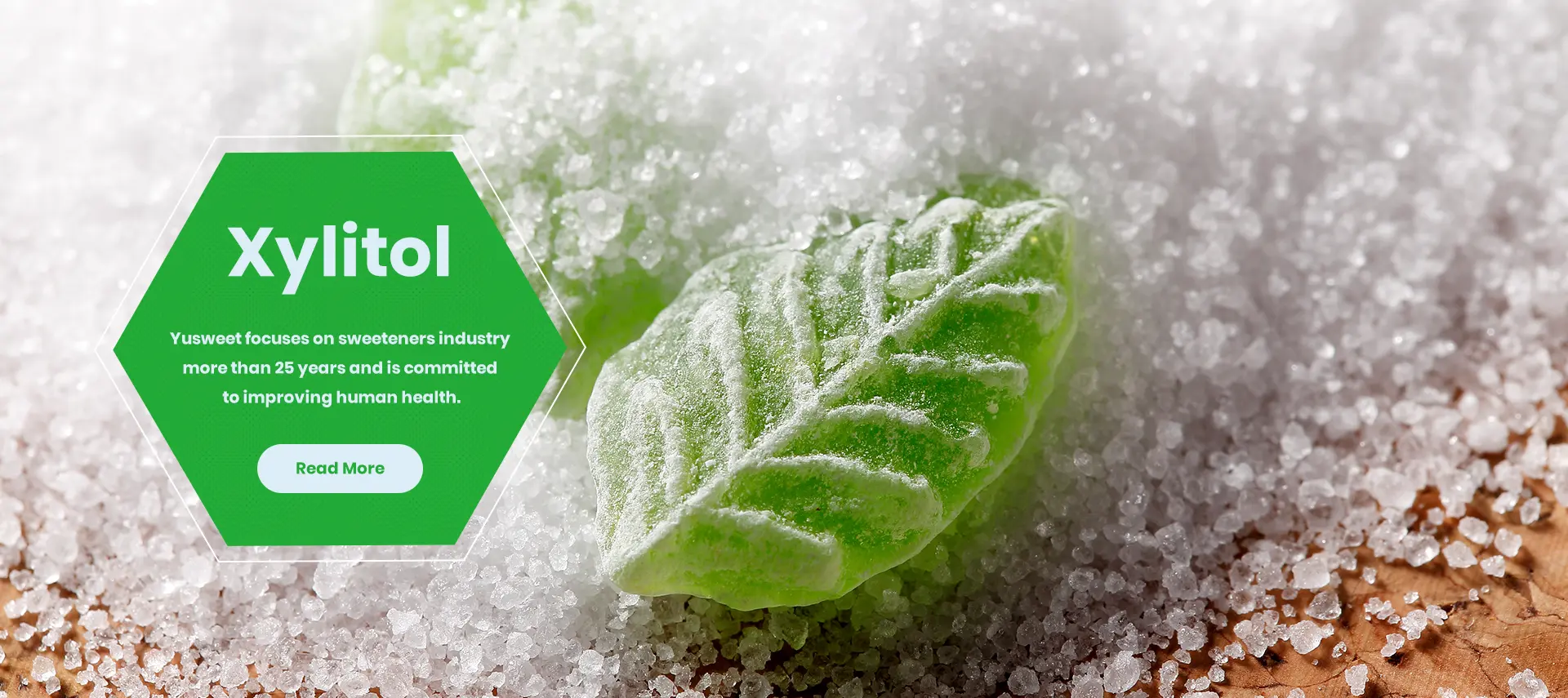
Global buyers are rethinking sweetener strategies as erythritol faces changing consumer expectations, formulation questions, and market-specific requirements. This guide explores seven practical options under the search term Alternative For Erythritol, including allulose, stevia, monk fruit, xylitol, maltitol, sucralose, and soluble fibers such as inulin.
Each option behaves differently in a real product. Allulose can provide useful bulk and browning, but availability and labeling rules vary by country. Stevia offers intense sweetness, although some formulas may reveal a bitter or licorice-like aftertaste. Monk fruit can deliver a clean profile, yet supply consistency and pricing deserve careful review. Xylitol supports texture and cooling sensation, but it requires responsible handling around pets. Maltitol may suit confectionery applications, though excessive consumption can cause digestive discomfort. Soluble fibers may improve fiber content, but they can change viscosity and mouthfeel.
There is no perfect replacement.
Food scientist Dr. Kantha Shelke has said, “There is no one-size-fits-all solution in food formulation.” This principle matters when selecting an Alternative For Erythritol for beverages, bakery products, gummies, or tabletop sweeteners. Buyers should compare sweetness intensity, solubility, calories, sensory performance, supply reliability, and local compliance before committing to volume orders.
A small pilot batch often reveals what a specification sheet misses. A sweetener may look efficient on paper but fail after heating, storage, or flavor masking. That is where this article remains deliberately practical: some recommendations need refinement, because product performance depends on the complete recipe, processing conditions, and target market.
Sweetener Selection Criteria: Sweetness, Calories, GI, ADI, Cost, and Supply
For global buyers, the seven practical alternatives to erythritol are allulose, xylitol, sorbitol, stevia, monk fruit extract, sucralose, and acesulfame potassium. Each solves a different formulation problem. Allulose has very low calories and limited glycemic impact, but its legal status and supply vary by country. Xylitol tastes close to sugar, yet it can cause digestive discomfort. Sorbitol is economical, although its laxative effect requires careful labeling.
Steviol glycosides and monk fruit provide intense sweetness with minimal calories. Their clean-label appeal is strong, but bitterness, blending difficulty, and harvest supply may affect costs. Sucralose and acesulfame potassium offer stable sweetness in beverages and baked products. However, buyers should confirm local permitted uses and acceptable daily intake values. Some sweeteners have numerical ADIs, while others have no specified numerical ADI under certain evaluations. That does not remove the need for safety review.
Tips:
Compare sweetness against sucrose, not only against erythritol. Check calories per serving, expected glycemic response, ADI, landed cost, and supplier capacity. Request recent certificates, origin details, and batch specifications. Run a small pilot test. Texture may change. Transport distance, seasonal crops, tariffs, and minimum order quantities can reshape the real price. I have seen low-cost options become expensive after reformulation. No single sweetener wins every market. Local regulations should decide the final shortlist.
Stevia, Monk Fruit, and Sucralose: 200–700× Sweeter Than Sucrose
For global buyers comparing seven erythritol alternatives, sweetness intensity changes the entire formulation. Steviol glycosides usually provide about 200–300 times the sweetness of sucrose. Monk fruit extracts may deliver roughly 150–250 times, depending on mogroside concentration. Sucralose can approach 600–700 times. These figures are practical ranges, not fixed promises. Extraction methods, purity, and testing conditions can shift the result.
A useful purchasing review starts with the sweetness number, then examines taste and application. Stevia can leave a herbal or bitter note in some beverages. Monk fruit often tastes rounder, but its supply and pricing may vary by region. Sucralose performs well in acidic drinks, baked goods, and shelf-stable products. Still, intense sweeteners do not provide sugar’s bulk, browning, or texture. Buyers may need fibers, polyols, or other bulking ingredients to rebuild the recipe.
I learned this through formulation trials: replacing sugar by sweetness ratio alone created a thin drink with an obvious aftertaste. That shortcut failed. Supplier documents should include assay results, recommended use levels, carrier details, stability data, and microbiological specifications. Regulatory acceptance also differs across countries, so local food rules require direct checking. Sensory testing with the target market remains essential. A laboratory panel can miss what consumers notice in the first sip.
Tagatose and Seven-Option Comparison: GI, Tolerance, and Applications
For global buyers, tagatose deserves close attention among seven erythritol alternatives. It delivers roughly 90% of sugar’s sweetness and usually has a low glycemic impact. Its mild caramel note suits dairy products, chocolate fillings, sauces, and baked goods. However, larger servings may cause bloating or loose stools. Tolerance testing matters more than a perfect laboratory profile.
Allulose offers a similar low-GI positioning, with a soft sugar-like texture, but digestive tolerance can vary. Xylitol provides near-sugar sweetness and supports confectionery, yet it may upset sensitive stomachs and is highly dangerous to dogs. Sorbitol works well in soft candies and humectant formulas, though it often has stronger laxative effects. Stevia and monk fruit deliver intense sweetness with minimal calories, but their aftertaste may require blending. Sucralose is powerful and heat-stable, making it useful in beverages and baked mixes; some buyers still prefer simpler ingredient statements.
Data sheets should show sweetness level, GI evidence, moisture behavior, and serving-size tolerance. Regional labeling rules also need checking. In practical sourcing, price alone misleads. A cheaper sweetener can increase reformulation costs. I once underestimated texture changes in a reduced-sugar filling; the flavor survived, but the bite did not. Tagatose is promising, not universal. Small pilot batches, sensory panels, and realistic consumer portions reveal more than a single nutrition claim.
Global Buyer Checklist: GRAS/EU Status, COA, MOQ, HS Codes, and Pricing
7 Best Alternatives to Erythritol for Global Buyers?
For global buyers, the best alternatives include allulose, xylitol, steviol glycosides, monk fruit extract, sorbitol, maltitol, and isomalt. Each behaves differently in texture, sweetness, cooling effect, and formulation. FDA’s GRAS Notice Inventory supports several U.S. market pathways, but GRAS status is not global approval. In the EU, check Regulation (EC) No 1333/2008 and the current Union List. Allulose needs extra attention because its European regulatory position may differ from its U.S. acceptance.
Request a current COA for every production lot. Check assay, moisture, microbiological limits, heavy metals, allergens, and test methods. A clean-looking document is not enough. Verify the laboratory and lot number. Pricing should include freight, duties, packaging, and testing. Supplier MOQ can range from sample cartons to full containers, so compare landed cost, not only price per kilogram. The FAO/WHO JECFA specifications provide useful identity and purity references for several polyols and sweeteners. However, specifications do not replace destination-country approval.
Tips: Confirm the HS code with a customs broker before ordering. National tariff extensions can differ after the first six digits. UN Comtrade data can help compare trade patterns, but it may combine product categories. I would also request three quotes under identical specifications. One quote is only a clue. Sometimes the cheapest powder creates the most expensive reformulation. Supplier documents may still leave gaps, especially for origin, shelf life, and non-GMO claims.